



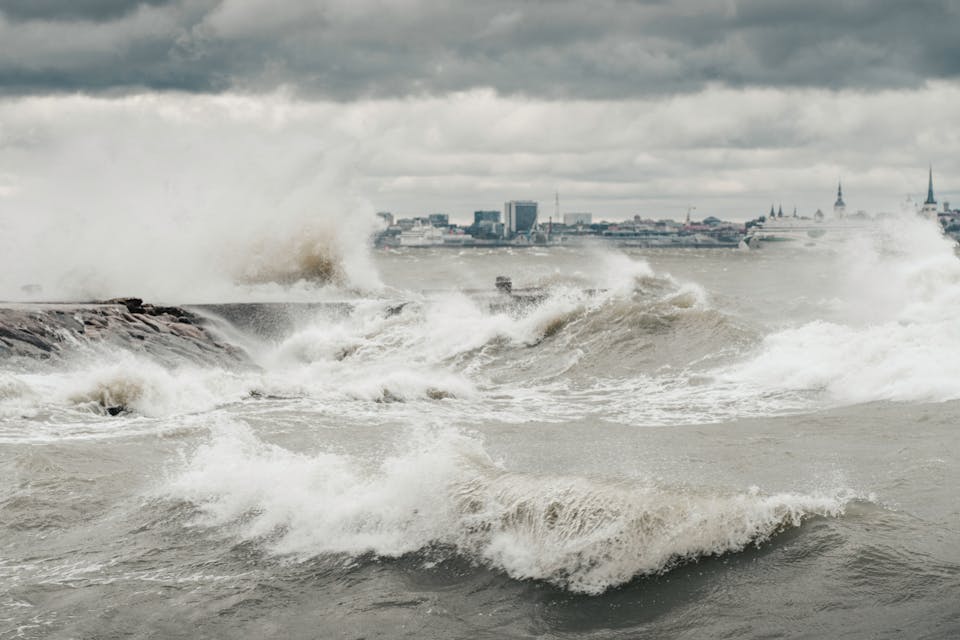
On a quiet morning in July 2025, an unusual seismic event off the coast of Russia triggered a tsunami warning that sent ripples—both literal and metaphorical—across the globe. Waves, initially small and unthreatening, reached parts of the Far Eastern Russian coast. Although the damage was minimal, the psychological tremor it caused went much deeper, especially for those who still carry the scars of one of the deadliest natural disasters in modern history—the 2004 Indian Ocean tsunami.
This sudden reminder of nature’s immense power felt eerily familiar, even to people thousands of miles away. The event triggered a collective memory that transported many back to a different time and place—Banda Aceh, Indonesia, on that tragic December morning more than two decades ago. The comparison between these two events may seem dramatic at first, but it’s within that drama we find valuable lessons, lingering questions, and uncomfortable truths.
Different Shores, Same Ocean
Russia and Indonesia might appear worlds apart culturally, geographically, and climatically. But both share a vulnerability that few think about until it’s too late: proximity to the Pacific “Ring of Fire.” This geological horseshoe of tectonic instability is responsible for a significant portion of the world’s earthquakes and volcanic eruptions. For Aceh, it was the Indian Ocean’s subduction zone that gave way; for Russia’s Far East, it’s often the Kuril-Kamchatka Trench that sparks concern.
While the 2025 Russian tsunami was much smaller in scale, the tectonic mechanics at play bear a striking resemblance to those that unleashed devastation in 2004. Both are part of a global puzzle of moving plates and shifting earth, and both serve as stark reminders that the ocean, majestic and serene as it may appear, holds a latent fury.
The Day the World Stopped: Remembering Aceh 2004
It was the day after Christmas when a 9.1-magnitude earthquake rocked the seabed off the coast of Sumatra. Within minutes, a series of massive waves crashed into the coasts of Indonesia, Sri Lanka, Thailand, India, and even reached the eastern shores of Africa. The death toll soared past 230,000. Indonesia suffered the greatest loss, with Aceh province bearing the brunt.
But numbers alone cannot capture the heartbreak, the chaos, or the surreal silence that followed. People were swept away in moments. Entire villages disappeared. Survivors recall the horrifying sound of water crashing, the sight of loved ones pulled from their grasp, and the days and weeks of anguish that followed.
That tsunami wasn’t just a natural disaster; it was a spiritual, emotional, and cultural rupture. Aceh, with its strong Islamic traditions, saw a complex interplay between grief and faith, trauma and resilience. The world responded with aid, yes, but also with a new awareness: the realization that we were all more connected—and more vulnerable—than we liked to admit.
What Has Changed Since Then?
In the immediate aftermath of the 2004 tsunami, countries around the Indian Ocean scrambled to implement early warning systems. The Indian Ocean Tsunami Warning and Mitigation System (IOTWS) was established, promising to alert coastal communities with enough time to escape should another tsunami threaten.
But two decades on, we have to ask: Are we truly safer? Are communities along the coastlines of Indonesia, Russia, Japan, and even the Americas more prepared?
In some ways, yes. Technology has improved. Sensors, satellites, and ocean buoys provide quicker data. Governments conduct drills. Coastal cities have built evacuation routes and tsunami-safe zones. But in other ways, complacency has crept in. Warning systems don’t always work as intended. Education campaigns often fail to reach rural or marginalized populations. And as climate change continues to alter weather patterns and sea levels, our models may not fully account for what’s ahead.
Trauma Travels Across Oceans
When news broke of a tsunami in Russia, it didn’t take long for the digital world to draw connections. Social media platforms lit up with messages of concern, recollections of Aceh, and even renewed calls for disaster preparedness.
For those who survived 2004, or lost loved ones to it, the event stirred memories long buried. Even for those born after, images and stories passed down from parents or community elders made the Russian tsunami feel oddly personal. Trauma, it turns out, can travel far—across generations, across languages, across oceans.
Disaster doesn’t only destroy infrastructure; it etches itself into our collective consciousness. The sight of water retreating unnaturally fast from the shoreline, the rumble underfoot, the panic in the air—these are signs people in coastal communities now recognize, often with a fear that sits just beneath the surface.
Nature Repeats, But Do We Learn?
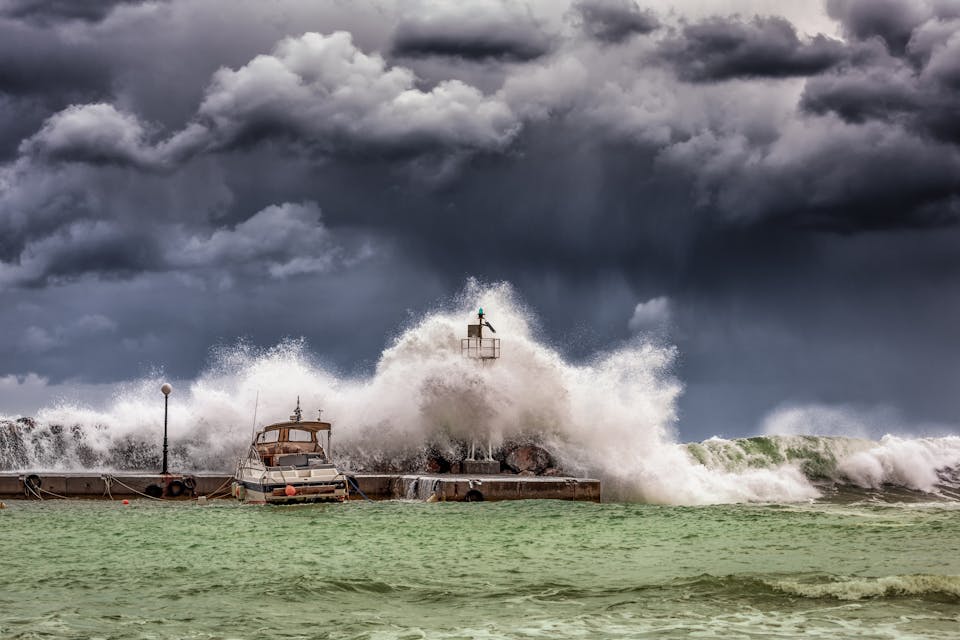
Perhaps the most sobering realization is that we still find ourselves surprised by tsunamis. Despite the advances in science, despite the memory of Aceh, it often takes a fresh event—like the Russian tsunami—to jolt us into awareness again. Why is that?
Part of it is human nature. We are creatures of the moment. When the sea is calm and the sun is shining, it’s hard to imagine that the same ocean could turn deadly. The illusion of safety is powerful. And yet, nature doesn’t operate on our emotional timelines.
The Russian tsunami of 2025 may not be remembered in history books as a major disaster. But it should be remembered as a warning—a gentle but firm reminder that the ocean’s temperament can change in an instant. And that our job is not to predict the unpredictable, but to prepare for it anyway.
The Spiritual and Cultural Echo
In Aceh, the 2004 tsunami was interpreted through both scientific and spiritual lenses. Some saw it as divine punishment, others as a test of faith. Ceremonies were held. Mass graves became pilgrimage sites. Survivors rebuilt not only their homes but their spiritual understanding of the world.
This blend of science and spirituality isn’t unique to Indonesia. In parts of Russia and the indigenous cultures of the Far East, nature holds sacred value. Earthquakes, storms, and tsunamis aren’t just random acts—they’re messages, omens, reminders of humility.
That duality—between data and devotion, preparedness and prayer—is perhaps what makes the human response to disaster so deeply complex and deeply human.
Preparing for the Next Wave
So where do we go from here? If the tsunami in Russia was a whisper, and Aceh a scream, what will the next message be?
Preparedness isn’t just about installing alarms and painting evacuation signs. It’s about culture. It’s about education that begins in kindergarten. It’s about stories that get passed down so that no child ever grows up thinking the ocean is only beautiful. It’s about respecting nature’s power without fearing it, and about building systems that work for all, not just the privileged.
We owe it to those lost in Aceh to never forget. And we owe it to ourselves to recognize every seismic jolt—not just as an isolated event—but as part of a global story, one that includes Russia, Indonesia, and every coastline in between.
Final Reflections: When the Ocean Speaks
The ocean has no memory, but we do. And when the waves rise unexpectedly in one part of the world, they echo through time and space, stirring memories, igniting fears, and—if we allow them—teaching us resilience.
The tsunami in Russia was not the end of a story, but a new chapter in an old book. One we should all read more carefully.
Because when the ocean speaks, it’s up to us to listen.
