



A Season of Stillness—and Awakening
In Indonesia, the dry season is more than just a stretch of hot, rainless days. For many communities, it’s a spiritual phase—a time to reflect, connect with nature, and invoke the balance between humans and the unseen world. While modern urban life may barely pause for the sun’s relentless heat, rural Indonesia leans into tradition, turning to ancestral knowledge to navigate the absence of rain.
And here’s where things get deeply fascinating for outsiders: when the rain stops, many Indonesians don’t just wait for the forecast—they pray, dance, chant, and perform rituals passed down for generations.
When Earth Cracks and Spirits Listen
In the rice-growing heartlands of Java and Bali, the lack of rain can bring more than crop anxiety—it can shift the rhythm of village life. Fields harden, rivers thin, and the air feels heavier. But for many elders and village leaders, it also signals the time for rituals of balance—a reminder that humans, nature, and spirit are all in conversation.
One such ritual is Tarawangsa in West Java, an ancestral musical ceremony to call upon Dewi Sri, the goddess of rice and fertility. The haunting sounds of a two-stringed instrument fill the night, accompanied by silent dancers believed to be vessels for spirits. It’s not just performance—it’s communion.
Calling the Rain: Ceremonies with Cosmic Intent
Indonesia’s dry season sees many regional rain-invoking ceremonies—some spiritual, some theatrical, all rooted in centuries of belief.
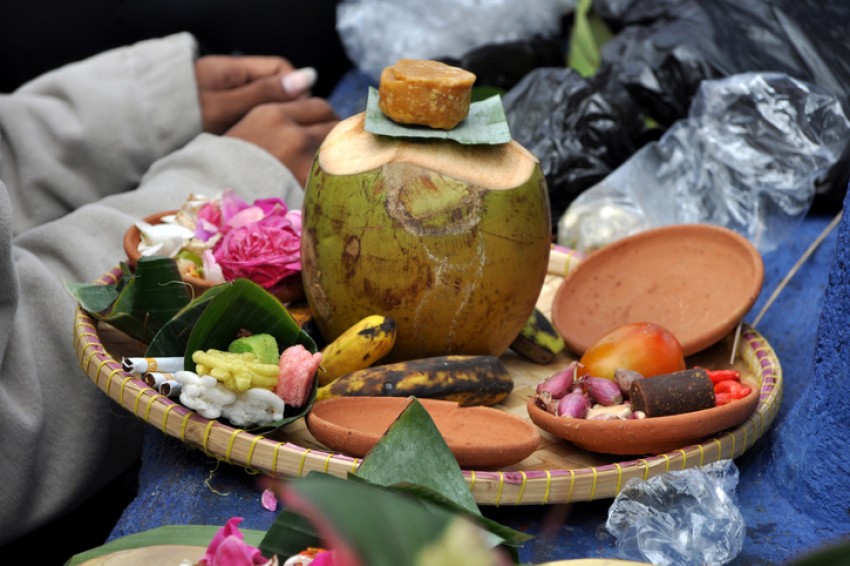
In Central Java, villagers might perform “Merti Dusun”, a ritual of gratitude and plea. Offerings of fruit, rice, and flowers are laid out for guardian spirits believed to reside in trees or springs. The message is clear: “We’re thankful—but we need your help.”
Further east in Nusa Tenggara, the “Hahai Mbanua” ceremony is held when drought hits hard. Tribal leaders lead chants and animal sacrifices, believed to send messages to the ancestral spirits watching from the mountains or sea. Outsiders might find it intense, but locals see it as sacred duty.
Spirits, Ancestry, and Everyday Life
To understand these rituals, it helps to understand how spirituality is lived daily in rural Indonesia. The line between the physical and spiritual is often blurred. Trees have spirits. Stones can whisper. Springs are sacred. And when the rain stops, it’s not just about climate—something deeper is believed to be off balance.
Take “Ruwatan”, a Javanese cleansing ceremony performed when someone is believed to carry misfortune. Often done in the dry season, it’s meant to purify not just the person, but their surroundings—bringing harmony back so nature can “breathe” again.
From Drought to Devotion: Why It Still Matters
Skeptics might view these traditions as outdated in an age of satellite weather predictions and climate data. But that’s missing the point. These rituals aren’t just about controlling rain—they’re about staying connected to the land, to each other, and to unseen forces that science can’t quantify.
In places where access to modern irrigation or reliable infrastructure is still limited, these rituals are psychological lifelines. They unite communities. They inspire hope. And they keep alive a worldview where nature is sacred—not just a resource to be managed, but a partner to be respected.
A Lesson for the Rest of the World?
As climate change continues to reshape weather patterns globally, there’s something quietly powerful in the way Indonesian communities face the dry season—not with panic, but with ceremony. Not with disconnection, but with deeper connection.
Perhaps when the rain stops, the real question isn’t just “when will it return?”—but “what can we learn while we wait?”
