



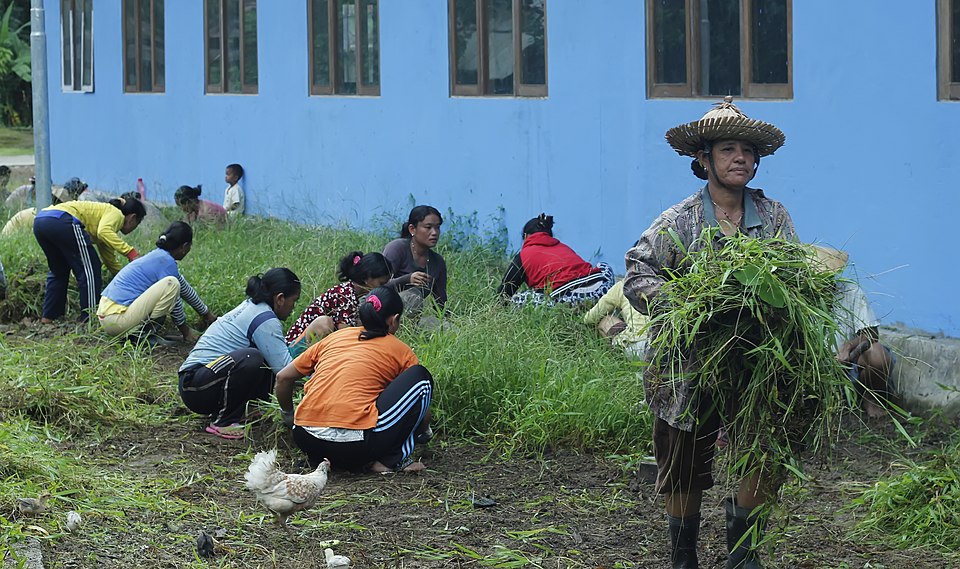
In an age where hyper-individualism often takes center stage in modern society, the Indonesian philosophy of Gotong Royong offers a refreshing, almost revolutionary, way to rethink how we live, work, and build communities. While Germany is known for its structure, efficiency, and solid social systems, there’s something deeply human and inspiring that Germans—and the world at large—can learn from Gotong Royong: the art of working together not just for profit, but for people.
So, What Exactly Is Gotong Royong?
Gotong Royong (pronounced go-tong ro-yong) is an Indonesian term that loosely translates to “mutual cooperation” or “working together voluntarily for the common good.” It’s a deeply embedded cultural value, not just a one-off activity. From helping neighbors build a house to organizing community clean-ups or preparing village festivals, Gotong Royong emphasizes collective effort without expecting monetary reward.
This isn’t just about helping out—it’s about belonging, shared responsibility, and social harmony. In Indonesia, Gotong Royong is a social glue that strengthens bonds in both urban neighborhoods and remote villages.
Germany’s Strong Individualism and Organized Efficiency
Let’s be honest—Germans are no strangers to teamwork. Germany’s success in engineering, manufacturing, and governance is built on cooperation, precise planning, and rule-following. There’s a reason German-made products are renowned for quality, and cities are among the most orderly in the world.
However, German society, like much of the Western world, leans heavily on individual autonomy, privacy, and formal systems. People help, but usually through structured systems: social services, legal frameworks, unions, or volunteer organizations. There’s less spontaneity, less informal “let’s do this together because it’s good for the group” kind of spirit.
That’s where Gotong Royong comes in—with its informal, heart-driven, hands-on approach to community life.
Why Gotong Royong Feels Different—and Powerful
Here’s the thing: Gotong Royong isn’t just about helping. It’s about connection. It’s about taking time out of your busy schedule not because you’re being paid or because there’s a system in place telling you to do it, but because you care.
This is something that can complement German values beautifully. Imagine blending the precision and discipline of German organization with the warmth and togetherness of Gotong Royong. That’s a recipe for not only productivity but also well-being.
Here are a few reasons why Gotong Royong could be an inspiring model for Germany:
1. Reinforcing Community in an Age of Isolation
Many Germans, especially in big cities like Berlin or Munich, report feeling isolated despite living among millions. Loneliness is becoming a silent epidemic across Europe.
Gotong Royong encourages face-to-face interaction and spontaneous collaboration. Whether it’s neighbors planting trees together, families sharing meals during community events, or youths organizing street-cleaning drives—this philosophy fosters real human connections.
2. Bringing Life Back into Local Neighborhoods
Germany has a strong sense of local pride, from Bavarian traditions to Berlin street culture. But globalization and modern life have sometimes pushed people away from their roots.
In Indonesia, Gotong Royong plays a huge role in preserving local culture. From traditional dances to village rituals, people organize events together with no expectation of profit. It’s a labor of love. German communities could adopt this to revive local crafts, music, or history—through festivals, storytelling, and neighborhood projects.
3. Teaching Kids Empathy and Teamwork Early
Imagine if German schools incorporated Gotong Royong-style activities regularly—not just class projects or science fairs, but real community initiatives: helping elderly neighbors, working in local gardens, or organizing school-wide donation drives.
This kind of early exposure helps children grow into adults who value cooperation over competition, and kindness over convenience.
4. Improving Disaster Response and Emergency Culture
Germans are great at preparing for emergencies—earthquakes, floods, pandemics. But Gotong Royong offers a layer of resilience beyond policy.
In Indonesia, when disaster strikes, villagers often rally together before formal aid arrives. They build temporary shelters, cook in shared kitchens, and even create community support networks. It’s a spirit that can’t be legislated but must be cultivated.
Germany, especially in rural or aging regions, could benefit from encouraging informal neighborhood safety nets, modeled after this idea.
Real-Life Gotong Royong Stories That Could Inspire Germany
Let’s make this tangible. In Java, a family building a house doesn’t hire a big construction company—they invite relatives, friends, and neighbors. Each person brings something: bricks, meals, labor. It’s not a favor, it’s a shared joy.
Or take the tradition of “kerja bakti”—community clean-up days, where entire blocks unite to sweep streets, plant trees, or repair public spaces. There’s no government directive—it just happens, because that’s what people do.
These examples aren’t just sweet—they’re functional. They lower costs, strengthen trust, and reduce social inequality. In places where money is tight, but community is rich, Gotong Royong keeps things moving.
Is It Realistic in a Fast-Paced Modern World?
You might wonder: can something so traditional really fit into fast-paced German cities?
Actually, yes. There are already signs it could work:
- Urban gardening projects in Berlin mimic Gotong Royong spirit—shared labor, shared harvest, shared joy.
- Car-free Sundays in some cities require neighbors to collaborate and reclaim the street.
- Welcome initiatives for refugees like “Flüchtlingshilfe” already show what spontaneous community action can look like.
What if these actions weren’t isolated, but became a cultural habit, inspired by Gotong Royong?
How Germany Can Embrace the Spirit of Gotong Royong
Here are some starting points:
- Start small: Organize a community clean-up or open-air cooking day.
- Revive the “Dorf” feeling: Even in cities, create village-style traditions—block parties, shared tool libraries, public art projects.
- Celebrate collaboration: Give recognition not just to individual success, but group achievements. Acknowledge the power of “we”.
- Encourage informal help: Make space for spontaneous kindness, not just structured volunteering.
- Learn from migrant communities: Many Indonesians, Filipinos, or Africans in Germany practice Gotong Royong naturally. Include them in city planning and cultural programs.
Final Thoughts: A New Kind of Progress
Progress isn’t just about faster internet or smarter tech. It’s also about softer hearts, stronger hands, and deeper connections.
Germany has so much to offer the world—from sustainability innovation to world-class education—but Gotong Royong offers something equally precious: a reminder that we rise by lifting others.
It’s time to look beyond the efficiency model and embrace something more organic, more human. If Germans can blend their world-class systems with the soul of Gotong Royong, they won’t just build better cities—they’ll build better lives.
