



Why This Story Still Matters Today
We often think of independence as something a country gains once and keeps forever. But in reality, the fight for independence is an ongoing process—especially when it comes to protecting civil liberties like freedom of speech.
In Indonesia, this year’s Independence Day on August 17 isn’t just about remembering the day the nation broke free from colonial rule in 1945. It’s also about reflecting on whether every citizen truly enjoys the freedoms that independence promised.
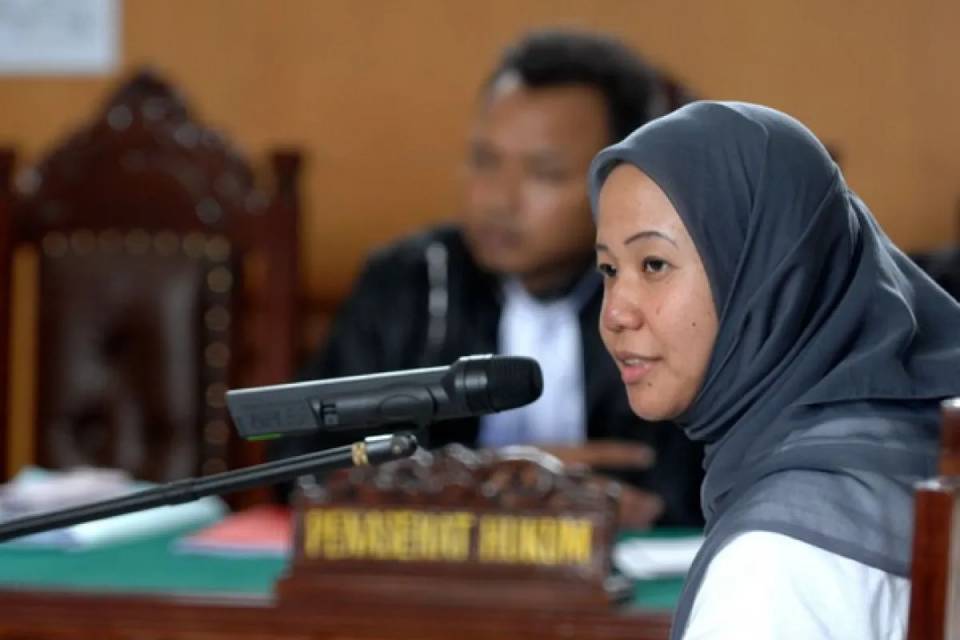
One case that still resonates with this question is the story of Prita Mulyasari, an ordinary Indonesian mother who faced legal prosecution simply for sharing her personal experience in an email. Her case didn’t just stir debates about the country’s laws—it sparked one of the most remarkable grassroots solidarity movements Indonesia had ever seen: “Coins for Prita.”
The Beginning: Just an Email, Nothing More (Or So She Thought)
In August 2008, Prita Mulyasari visited a private hospital in Tangerang, Indonesia, with a high fever and severe headache. The initial lab result suggested she might have dengue fever, with her blood platelet count at just 27,000. But later, the hospital revised the count to 181,000. The changes confused her, and she felt that the medical explanations she received were vague and unsatisfactory.
On top of that, the medical bills kept piling up. Frustrated and disappointed, Prita did what many of us might do—she wrote an email to a few close friends, sharing her negative experience with the hospital. It wasn’t meant for the public eye, just a personal vent.
But the email began circulating beyond her control. Friends forwarded it to others, it popped up in mailing lists and online forums, and before long, her private complaint had gone viral in Indonesia’s growing internet community.
When a Complaint Becomes a Criminal Case
What happened next shocked the nation. The hospital—RS Omni International—filed both civil and criminal lawsuits against her. In the civil case, Prita was ordered by the Tangerang District Court in May 2009 to pay Rp 204 million (around USD 20,000 at the time) in damages.
The criminal case accused her of defamation under Indonesia’s Electronic Information and Transactions Law (UU ITE) and the national criminal code. Yes—her personal email was treated as a criminal act.
She was briefly detained, then placed under city arrest. By June 2009, the criminal charges were dismissed by the district court due to lack of clarity. Still, the civil ruling stood, and she was expected to pay the enormous fine.
The Spark of a Movement: “Coins for Prita”
This was when ordinary Indonesians decided to step in. Outraged by the idea that someone could be fined so heavily for sharing her experience, people from across the country began collecting loose change to help her pay the fine.
It started small—just a few people gathering coins in coffee shops and on campuses. But it quickly snowballed. Boxes for donations appeared in markets, train stations, bus stops, and schools. Office workers dropped coins into jars on their desks. Musicians held charity concerts. Celebrities joined in. Even gold shops and banks helped by weighing and counting the mountains of coins that poured in.
Within weeks, the movement had raised over Rp 825 million—more than four times the amount Prita needed to pay the fine. This wasn’t just charity—it was a statement. A statement that the people of Indonesia wouldn’t stand by while a fellow citizen was silenced for speaking out.
The Legal Endgame
The public pressure was impossible to ignore. On December 29, 2009, the district court cleared Prita of all criminal charges. In September 2010, the Supreme Court overturned the civil ruling that required her to pay damages.
But the rollercoaster wasn’t over. In June 2011, the Supreme Court’s cassation ruling found her guilty in the criminal case and sentenced her to six months of probation. It was a shocking reversal that reignited public anger.
Finally, in September 2012, justice prevailed. The Supreme Court granted her a Judicial Review (Peninjauan Kembali) and acquitted her of all charges—restoring her good name and closing a four-year legal battle.
Beyond the Courtroom: Why the “Coins for Prita” Movement Matters
For many Indonesians, the story of Prita was more than a legal drama. It was a wake-up call about the dangers of laws that could be used to silence ordinary voices.
The UU ITE, intended to regulate online transactions and protect against cybercrime, had been applied in a way that criminalized criticism. Prita’s ordeal made many citizens—and lawmakers—question whether Indonesia’s legal system was truly aligned with the democratic freedoms the country had fought for in 1945.
“Coins for Prita” also became a symbol of gotong royong, the Indonesian tradition of mutual cooperation. People didn’t just give money; they stood together for a principle. They showed that solidarity could challenge even the most intimidating legal battles.
Independence and the Ongoing Fight for Freedom of Speech
As Indonesia celebrates its Independence Day each August 17, parades and flag-raising ceremonies honor the heroes who fought against colonial rule. But true independence is about more than political sovereignty—it’s about ensuring that every citizen can speak freely without fear of punishment.
Prita’s story is a reminder that freedom of speech isn’t automatically secured by a constitution; it has to be defended constantly. Independence is incomplete if citizens can be jailed or fined for voicing honest opinions.
In this way, “Coins for Prita” is part of the same struggle as Indonesia’s independence movement. Both are about resisting systems that deny people their voice—whether that system is a colonial government or a flawed legal framework.
What the World Can Learn from Prita’s Case
Prita’s case resonates beyond Indonesia. Around the world, freedom of speech is under pressure—from authoritarian crackdowns to corporate lawsuits aimed at silencing critics (so-called SLAPP suits). The lesson from Indonesia is clear: when the law falls short, community action can step in.
Here’s why her case matters globally:
- It’s about digital rights: In an era where social media posts can be used as evidence in court, the boundaries of free speech online are a pressing issue worldwide.
- It’s about grassroots activism: Ordinary citizens can mobilize to protect each other, even in the face of powerful institutions.
- It’s about redefining independence: True freedom includes the right to criticize, to question, and to hold power accountable.
Looking Ahead: Safeguarding Free Expression in Indonesia
Since Prita’s case, there have been ongoing calls to revise the UU ITE to prevent misuse against citizens exercising their right to free speech. Some amendments have been made, but activists argue that more protections are needed.
For Indonesia, as it marks another year of independence, this is an opportunity to reflect: how can the nation ensure that no one else has to endure what Prita did?
Maybe the answer lies in a combination of legal reform, public awareness, and continued solidarity. The spirit of “Coins for Prita” can inspire not only Indonesians but also advocates for free speech everywhere.
From Loose Change to Lasting Change
In the end, “Coins for Prita” wasn’t just about paying a fine. It was about sending a message: that freedom is worth defending, and that no voice is too small when backed by a community.
As the red-and-white flag is raised this August 17, let’s remember that independence is more than a date in history—it’s a promise we must keep every day. And keeping that promise means protecting the right of every citizen, like Prita, to speak without fear.
