

Close Menu
Saibumi | Uncovering Asia, One Story at a Time
    What's Hot

    Indonesia’s National Nutrition Agency Leadership Change Draws International Attention

    June 3, 2026

    Indonesia’s Biodiesel Shift: B50 Plan Put on Hold, Raising Questions for Global Palm Oil Markets

    January 14, 2026

    Elephants Help Clear Wooden Debris After Aceh Disaster

    December 27, 2025
    Facebook X (Twitter) Instagram
    Saibumi | Uncovering Asia, One Story at a TimeSaibumi | Uncovering Asia, One Story at a Time
    • About Us
    • Contact Us
    • Advertise
    Facebook X (Twitter) Instagram YouTube LinkedIn Reddit
    • Home
    • Stories

      The Global Plastic Treaty Fails Again – What Does It Mean for the Planet?

      August 27, 2025

      Puru Kambera Savanna: Tracing the Wild Horses of East Sumba

      August 25, 2025

      West Sumatra Emerges as a Leading Muslim-Friendly Travel Destination

      August 24, 2025

      Tabola Bale Song: The Viral Music Blend From Eastern Indonesia

      August 20, 2025

      Tanjung Karang Beach: An Underwater Paradise in Donggala

      August 20, 2025
    • Travel

      Know the Types of Snakes in the Wild & What to Do If You Get Bitten

      December 27, 2025

      Thailand Named the Best Food Country in the World 2025 — Beating Italy and Japan

      October 14, 2025

      Dieng Plateau Officially Designated as Indonesia’s Newest National Geopark

      September 29, 2025

      The Culture of Souvenirs: How Indonesians Strengthen Workplace Relationships Through Oleh-oleh

      September 29, 2025

      6 Best Coffee Shops in Asia – And Yes, One of Them Is in Indonesia!

      September 28, 2025
    • Culture
    • Lifestyle
      1. Food & Culture
      2. Green Living
      3. Local Life
      4. Modern Living
      5. People & Inspiration
      6. View All

      Gen Z in Indonesia and the Global “Escape Culture”: Why Many Are Saying #KaburAjaDulu

      October 20, 2025

      The Export of Indonesian Specialty Products: How Local Ingredients Are Becoming Global Brands

      October 20, 2025

      From Training to Takeoff: MKP’s Approach to Responsible Worker Preparation

      October 18, 2025

      Thailand Named the Best Food Country in the World 2025 — Beating Italy and Japan

      October 14, 2025

      List of Plants That Attract and Repel Snakes Around the House

      October 20, 2025

      Bird-Friendly Coffee in Lampung: Wild Birds Help Farmers Control Pests Naturally

      September 23, 2025

      Standing Still Like a Stick: How Tree Snakes Outsmart Predators with Vertical Sleep

      July 17, 2025

      Not a Cat, Not a Snake — Meet the Plant That Can Eat Rats

      July 12, 2025

      #KaburAjaDulu: When Young Indonesians Feel Like Escaping Is the Only Way to Survive

      October 9, 2025

      The Culture of Souvenirs: How Indonesians Strengthen Workplace Relationships Through Oleh-oleh

      September 29, 2025

      How Remote Work and Digitalization Are Transforming Indonesian Work Culture

      September 28, 2025

      Staying Healthy in Unpredictable Weather: Indonesian Habits the World Can Learn From

      September 21, 2025

      Gen Z in Indonesia and the Global “Escape Culture”: Why Many Are Saying #KaburAjaDulu

      October 20, 2025

      Indonesia’s Beauty Industry Is Having a Major Glow-Up

      July 1, 2025

      Why Indonesian Coffee Is the Next Big Thing Among Global Freelancers

      June 30, 2025

      The Culture of Souvenirs: How Indonesians Strengthen Workplace Relationships Through Oleh-oleh

      September 29, 2025

      The Indonesian Work Culture: Harmony and Gotong Royong in Action

      September 16, 2025

      Southeast Asian Solidarity: Citizens Rally Behind Indonesian Protesters Amid Police Violence

      September 6, 2025

      What Germans Can Learn from the Philosophy of Gotong Royong

      July 16, 2025

      Gen Z in Indonesia and the Global “Escape Culture”: Why Many Are Saying #KaburAjaDulu

      October 20, 2025

      #KaburAjaDulu: When Young Indonesians Feel Like Escaping Is the Only Way to Survive

      October 9, 2025

      The Indonesian Work Ethic: Why Global Teams Trust Indonesian Professionals

      October 2, 2025

      Why Indonesian Talents Are the Best Choice for Global Companies

      October 2, 2025
    • Local Business
    Subscribe
    Saibumi | Uncovering Asia, One Story at a Time
    Home » The Global Plastic Treaty Fails Again – What Does It Mean for the Planet?
    Culture

    The Global Plastic Treaty Fails Again – What Does It Mean for the Planet?

    Editor DeskBy Editor DeskAugust 27, 2025Updated:August 27, 2025No Comments6 Mins Read
    Facebook Twitter Pinterest LinkedIn Tumblr Email
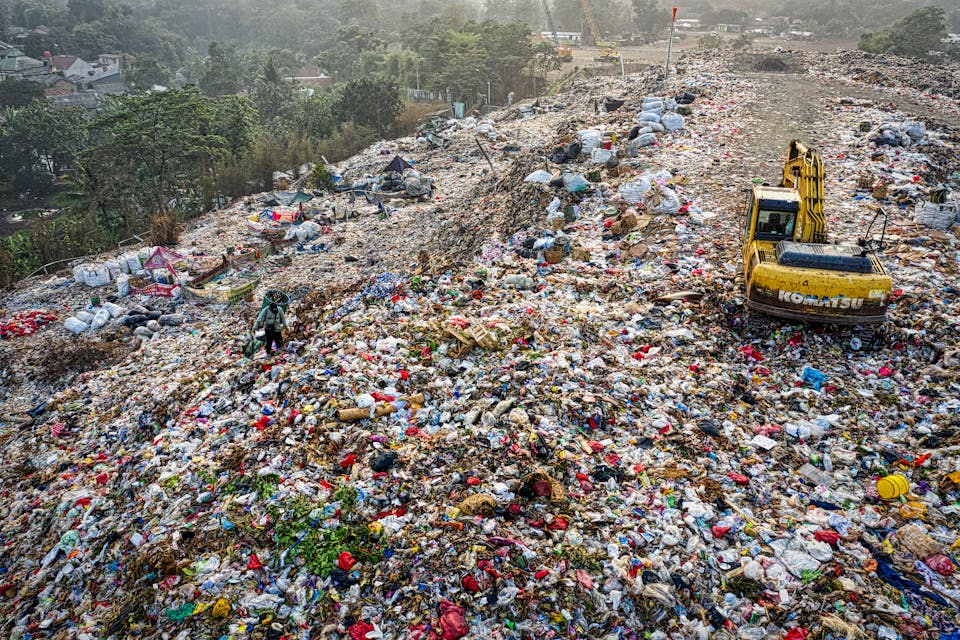
    Ilustrasi | Foto oleh Tom Fisk: https://www.pexels.com/id-id/foto/tembakan-drone-dari-tempat-pembuangan-akhir-3186574/
    Share
    Facebook Twitter LinkedIn Pinterest Email Copy Link

    The world has been holding its breath for a breakthrough in tackling the plastic crisis. Hopes were pinned on Geneva this August 2025, where over a thousand delegates from 180 countries gathered for the latest round of negotiations on the world’s first global plastic treaty. But once again, the talks collapsed without an agreement, underscoring just how fragile the idea of global unity is when it comes to managing plastic pollution.

    This was supposed to be the moment. Since the UN Environment Assembly (UNEA) gave its mandate in 2022 through the End Plastic Pollution Resolution, the world has been pushing for a binding international deal to rein in plastic. Two years later, after multiple failed attempts, the Geneva round was seen as a make-or-break chance. Yet, just like before, consensus slipped through the cracks.


    Why Did the Plastic Treaty Collapse in Geneva?
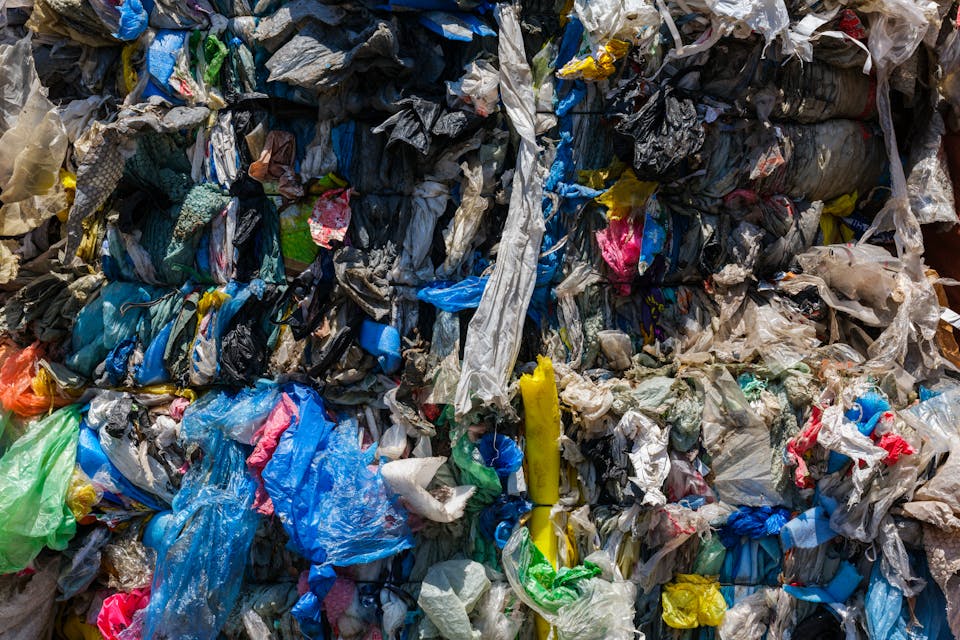
    Foto oleh Engin Akyurt: https://www.pexels.com/id-id/foto/industri-warna-lingkungan-hidup-pengobatan-27312909/

    At the heart of the failure is a sharp divide between two major blocs.

    On one side is the High Ambition Coalition, made up of the EU, the UK, Canada, and several nations from Latin America and Africa. They argue that any serious treaty has to start at the source—by limiting plastic production and phasing out toxic chemicals. To them, the plastic crisis can’t be solved by waste management alone.

    On the other side is the Like-Minded Group, led by major oil and petrochemical producers like Saudi Arabia, Kuwait, Russia, Iran, and Malaysia. For them, the treaty should stay narrow, focusing only on waste management, recycling, and post-consumer solutions.

    It’s a tug-of-war: one bloc wants to turn off the tap, the other insists on just cleaning the floor. And in the middle, negotiations stall.

    SEE ALSO  Taste of the Tropics: Indonesian Soups and Spices to Warm Up Your Winter

    But politics isn’t the only obstacle. Behind the scenes, industry influence looms large. Plastics are deeply embedded in modern economies—food packaging, medical supplies, electronics, textiles—you name it. In 2021, global plastic production reached 400 million metric tons, with projections pushing it up to nearly 600 million by 2050. For many economies, especially oil-producing ones, plastic is big money.

    And that economic weight makes compromise almost impossible.


    Plastic: An Economic Pillar with a Dark Side

    For all its environmental downsides, plastic is an economic powerhouse. A 2022 study in Frontiers in Marine Science revealed that the petrochemical sector—the main supplier of raw materials for plastics—was projected to rake in $800 billion by 2028, a massive leap from just $300 billion in 2020.

    In the United States, the plastic industry generated around $358 billion in 2023 and supported over 660,000 jobs. In many parts of the developing world, plastics are also tied to livelihoods, manufacturing, and low-cost consumption.

    So while scientists, activists, and policymakers highlight the ecological costs—from microplastics in the ocean to toxins in our food chain—the reality is that plastic is not just “trash.” It’s deeply connected to economic stability, trade, and global supply chains.

    This imbalance—between plastic’s benefits for economies and its costs for ecosystems—is exactly why the treaty keeps stalling. Countries aren’t just debating waste; they’re debating their futures.


    The Bigger Picture: Why the World Needs a Global Deal

    Despite the failures in Geneva, the urgency of a treaty has never been clearer.

    Plastic pollution doesn’t respect borders. Research published in MDPI Water in 2025 traced plastic waste along the U.S.-Mexico border and found that up to 90% of the plastic in the Tijuana River came from land-based sources—food packaging, construction materials, and single-use plastics. This isn’t a local issue; it’s a planetary one.

    SEE ALSO  The Music of Gamelan: Why German Composers Admire It

    Globally, the numbers are sobering. According to the OECD’s Global Plastics Outlook (2022), the world produced around 353 million tons of plastic waste in 2019. Of that, only 9% was recycled—mostly through downcycling, which produces lower-quality materials. About 19% was incinerated, contributing to carbon emissions, while almost 50% ended up in landfills.

    The most troubling part? Around 22% of all plastic waste was mismanaged—dumped openly, burned in unsafe conditions, or washed into rivers and oceans. By 2019, an estimated 6.1 million tons of plastic had polluted freshwater and marine systems.

    Add to this the data from UNEP in 2024: nearly 80% of single-use plastics are not recyclable. Infrastructure, technology, and economics all work against recycling. It’s simply cheaper to make new plastic than to recycle the old.


    What Happens If Nothing Changes?
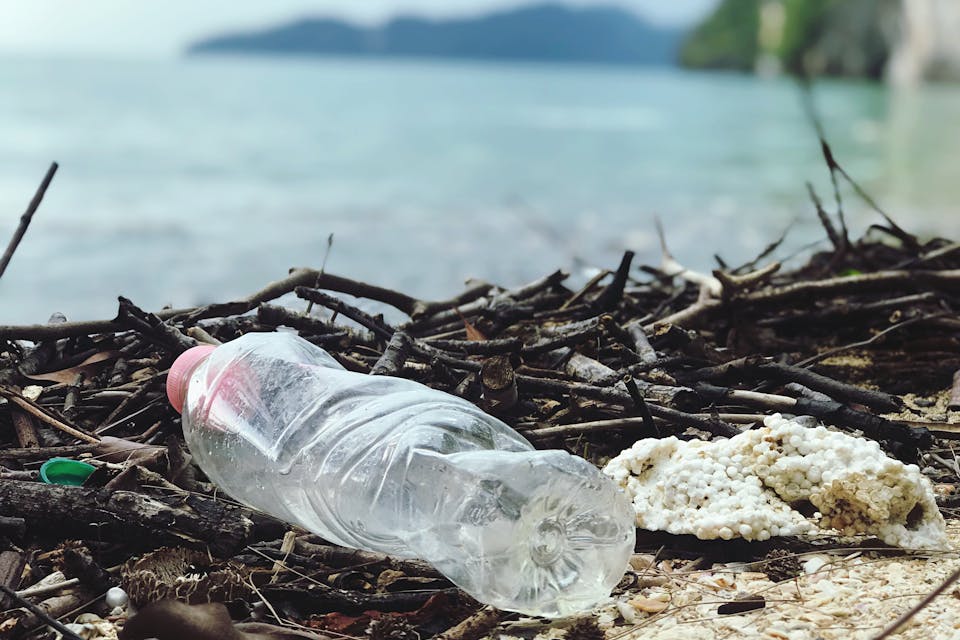
    Foto oleh Catherine Sheila: https://www.pexels.com/id-id/foto/foto-close-up-botol-plastik-2409022/

    If these deadlocks continue, the consequences will be devastating. Global plastic production stood at 400 million tons in 2022, and projections suggest it could double to 800 million tons by 2050. Without strict controls, the planet is on track to drown in plastic waste.

    Unlike organic waste, plastic doesn’t just “go away.” It breaks down into microplastics that infiltrate soil, water, and even human bodies. Studies have already found microplastics in fish, drinking water, and even human bloodstreams. The long-term health effects are still being studied, but risks range from hormonal disruption to cancer.

    SEE ALSO  Experience the Charm of Labuan Bajo's Pinisi Boat Right Here in Lampung: Discover the Legendary Maritime Heritage of Indonesia

    And this isn’t a problem for future generations alone—it’s already happening. In coastal communities, fishing yields are shrinking as marine life ingests plastics. In cities, open burning of plastic releases dioxins, one of the most toxic pollutants known, into the air people breathe.

    The failure in Geneva doesn’t just delay progress; it locks the world into a cycle where production rises, waste piles up, and the environmental burden grows heavier every year.


    So, Where Do We Go from Here?

    Foto oleh Catherine Sheila: https://www.pexels.com/id-id/foto/foto-close-up-botol-plastik-2409022/

    The collapse of the Geneva talks is a setback, but not the end of the road. International negotiations are always messy, and treaties take years to build. The Paris Agreement on climate change, for example, was the product of decades of stalled talks.

    But time is running out faster for plastics. Unlike CO₂, which can be reduced through renewable energy and technology, plastic waste doesn’t disappear. Every piece ever produced is still here in some form—buried, burned, or floating in the ocean.

    The world needs more than voluntary commitments or recycling slogans. What’s required is a binding, enforceable treaty that reduces production, phases out toxic chemicals, and builds global accountability. Without it, we’re only treating symptoms, not the disease.

    As one Cuban delegate bluntly put it in Geneva: “This planet, and future generations, need this treaty.”

    The failure this August may be frustrating, but it’s also a wake-up call. The plastic crisis won’t wait for politics to catch up. The question is—will world leaders act in time, or will they leave the next generation a toxic inheritance they can’t undo?

    environmental issues global waste import illegal waste import imported plastic waste Indonesia environment news plastic pollution plastic waste problem waste export-import waste management waste trade Indonesia
    Share. Facebook Twitter Pinterest LinkedIn Tumblr Email
    Previous ArticleIndonesia: The World’s Dumping Ground for Waste?
    Next Article A Historic Win: Bangladesh Women’s Football Team Qualifies for the AFC Women’s Asian Cup
    Editor Desk
    • Website

    Related Posts

    Economy

    Indonesia’s National Nutrition Agency Leadership Change Draws International Attention

    By Editor DeskJune 3, 2026
    Don't Miss

    Indonesia’s Biodiesel Shift: B50 Plan Put on Hold, Raising Questions for Global Palm Oil Markets

    By Editor DeskJanuary 14, 2026
    Disaster & Environment

    Elephants Help Clear Wooden Debris After Aceh Disaster

    By Editor DeskDecember 27, 2025
    Don't Miss

    Know the Types of Snakes in the Wild & What to Do If You Get Bitten

    By Editor DeskDecember 27, 2025
    Digital Life

    Gen Z in Indonesia and the Global “Escape Culture”: Why Many Are Saying #KaburAjaDulu

    By Editor DeskOctober 20, 2025
    Agriculture

    The Export of Indonesian Specialty Products: How Local Ingredients Are Becoming Global Brands

    By Editor DeskOctober 20, 2025
    Add A Comment
    Leave A Reply Cancel Reply

    Don't Miss

    Indonesia’s National Nutrition Agency Leadership Change Draws International Attention

    By Editor DeskJune 3, 2026

    Indonesia has attracted international attention following a recent leadership change at the National Nutrition Agency,…

    Indonesia’s Biodiesel Shift: B50 Plan Put on Hold, Raising Questions for Global Palm Oil Markets

    January 14, 2026

    Elephants Help Clear Wooden Debris After Aceh Disaster

    December 27, 2025

    Know the Types of Snakes in the Wild & What to Do If You Get Bitten

    December 27, 2025
    Top Posts

    Indonesia’s National Nutrition Agency Leadership Change Draws International Attention

    June 3, 2026

    Experience the Charm of Labuan Bajo’s Pinisi Boat Right Here in Lampung: Discover the Legendary Maritime Heritage of Indonesia

    June 30, 2025

    Must-Know: 5 Traditional Dances from Lampung You’ll Often Encounter

    June 30, 2025

    What to Do When You See a Snake: A Practical Guide for Everyday Life in Sumatra

    June 30, 2025
    Stay In Touch
    • Facebook
    • Twitter
    • Instagram
    • YouTube
    About Us
    About Us

    Saibumi International brings authentic stories, cultural depth, and off-the-radar destinations from Indonesia and the wider Asian region — crafted for readers who want more than surface-level travel and headlines.

    Facebook X (Twitter) YouTube Reddit
    Our Picks

    Indonesia’s National Nutrition Agency Leadership Change Draws International Attention

    June 3, 2026

    Indonesia’s Biodiesel Shift: B50 Plan Put on Hold, Raising Questions for Global Palm Oil Markets

    January 14, 2026

    Elephants Help Clear Wooden Debris After Aceh Disaster

    December 27, 2025
    Most Popular

    Indonesia’s National Nutrition Agency Leadership Change Draws International Attention

    June 3, 2026

    Experience the Charm of Labuan Bajo’s Pinisi Boat Right Here in Lampung: Discover the Legendary Maritime Heritage of Indonesia

    June 30, 2025

    Must-Know: 5 Traditional Dances from Lampung You’ll Often Encounter

    June 30, 2025
    • Home
    • About Us
    • Advertise
    • Contact Us
    © 2026 Saibumi International. SEO & Web by Dkonten Studio

    Type above and press Enter to search. Press Esc to cancel.