


From Punch Cards to Push Notifications
Not too long ago, being present at the office in Indonesia was everything. Arriving early, sitting at your desk, and even staying late were seen as marks of dedication. For many companies, physical presence was equal to productivity. But things are changing—fast.
Remote working, digital collaboration tools, and workplace apps are reshaping this traditional mindset. What once required showing up in person is now happening in virtual meeting rooms, chat apps, and project dashboards. And this shift is not just about technology—it’s about culture.
The Old Symbol of Dedication: Being Seen in the Office
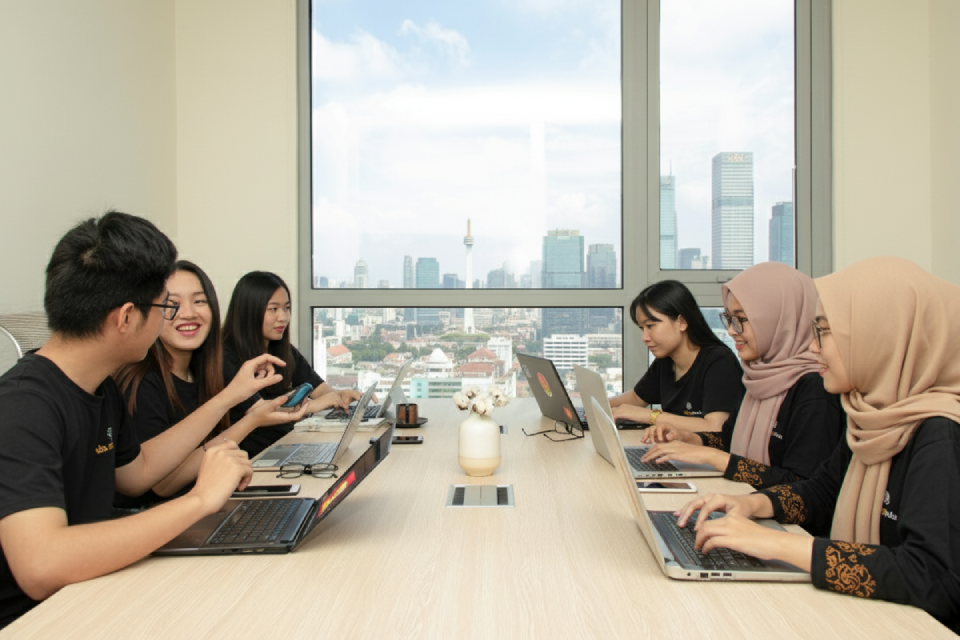
In many Indonesian workplaces, there’s an unspoken rule: the longer you stay at the office, the more dedicated you appear. Even if the actual workload is done, leaving before the boss might be frowned upon. Office rituals like morning roll calls, group prayers, or coffee breaks reinforced the sense of physical community.
But digitalization is challenging this. The pandemic forced companies to rely on output rather than just physical presence. Suddenly, what you deliver became more important than where you sit.
Remote Working and the Rise of Flexibility
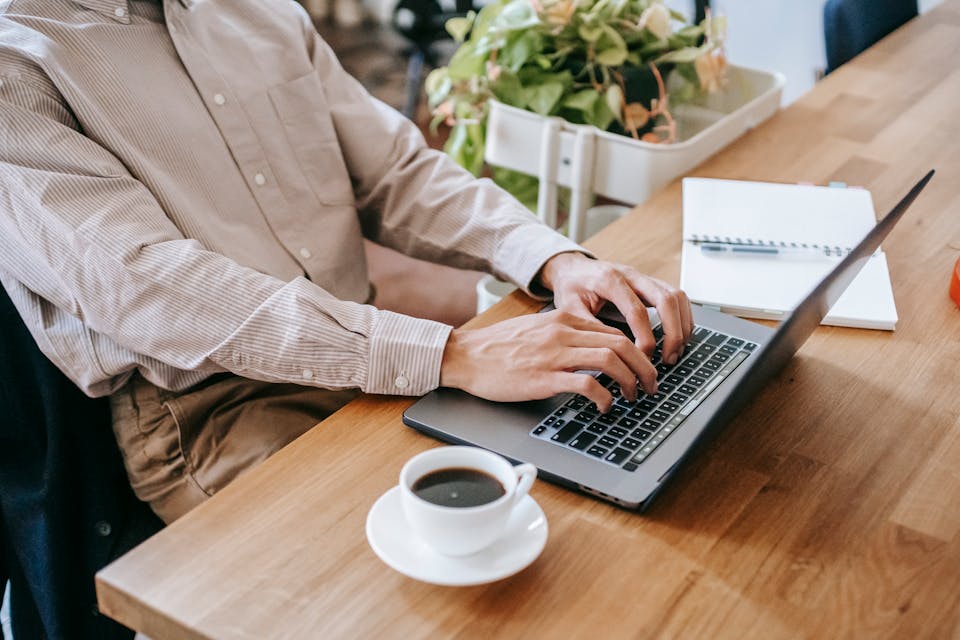
Work-from-home (WFH) policies pushed many companies to rethink traditional structures. Employees no longer needed to brave Jakarta’s traffic for a two-hour commute. Instead, they could clock in from their living room, cafe, or even another city.
For younger workers, this flexibility feels natural. It allows them to manage work-life balance better and reduce stress. For older generations and more traditional managers, however, it raises questions: Can productivity be trusted without direct supervision? Is discipline possible without a physical office?
Workplace Apps: The New “Office”

Apps like Slack, Microsoft Teams, Zoom, Trello, and even WhatsApp groups have become the new virtual offices. Instead of knocking on your manager’s door, you send a message. Instead of gathering around the meeting table, you jump into a video call.
These tools don’t just replace communication—they change the way people work. Younger employees tend to prefer quick chats and emojis, while some managers still rely on formal emails. This mix creates a new hybrid culture where both traditional respect and digital informality coexist.
The Shift from Face-to-Face Rituals to Digital Habits
Indonesian workplaces are known for rituals: weekly meetings, prayer breaks, shared lunches, or team outings. With remote work, many of these shifted online. Virtual coffee breaks, online “Happy Friday” sessions, or digital town halls are becoming common.
While some argue these lack the warmth of face-to-face interactions, others see them as more inclusive. Employees from different regions can now join without needing to travel, making company culture more connected across distance.
Challenges: Trust, Boundaries, and Digital Burnout
Of course, the transition isn’t all smooth. Remote work and constant app notifications blur the line between work and personal life. Some employees feel they are “always online,” leading to digital burnout.
Trust is another issue. Managers who grew up in the era of physical presence sometimes struggle to evaluate performance remotely. This tension creates pressure on employees to over-communicate or always appear active online.
The Future of Work Culture in Indonesia
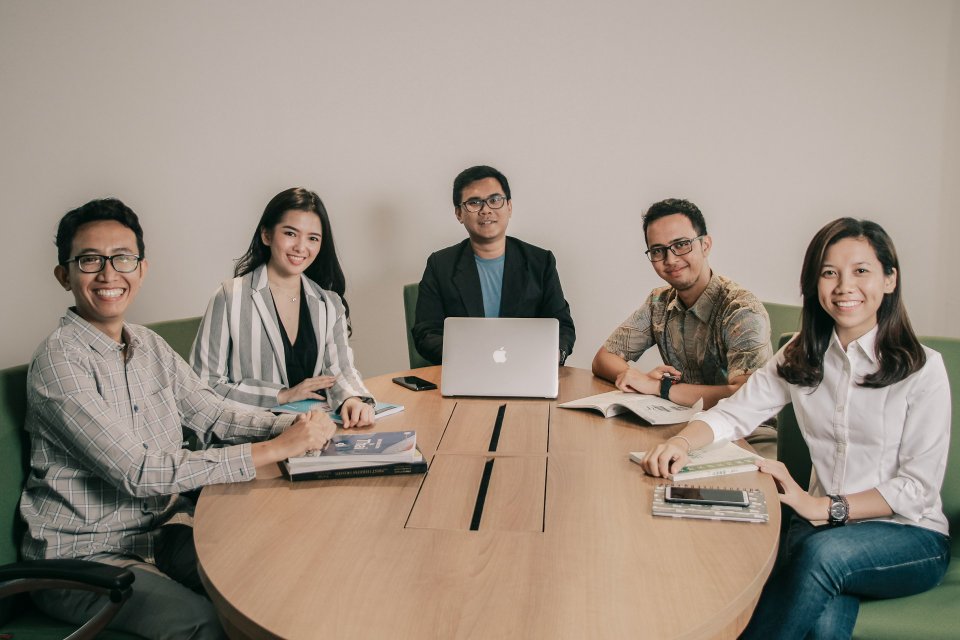
The digital shift doesn’t mean physical offices will disappear. Instead, a hybrid model seems more likely—where both face-to-face and digital work rituals coexist. Companies may still value in-person gatherings for bonding and cultural strength, but output-focused remote work will remain a big part of the future.
For Indonesian work culture, this represents a huge transformation. Dedication will no longer be judged by how long you sit in the office, but by how much value you create.
Culture Beyond the Screen
Remote work, apps, and digitalization are more than just tools—they’re rewriting the unwritten rules of Indonesian workplaces. From physical presence to measurable output, from morning greetings at the office to emojis on chat, the culture is evolving.
The big question is: will companies fully embrace this shift, or cling to the comfort of old rituals? Either way, the future of Indonesian work culture is already digital—and it’s here to stay.
