



What You Need to Know Before Trekking Through the Tropics
Southeast Asia is famous for its lush rainforests, vibrant wildlife, and tropical adventures. But alongside the beauty comes a slithery danger: some of the world’s most venomous snakes call this region home. Whether you’re hiking in Thailand, exploring rice fields in Vietnam, or venturing into the jungles of Indonesia, knowing which snakes to avoid can literally be a lifesaver.
Here’s a breakdown of the Top 5 Deadliest Snakes in Southeast Asia—from their venom to where they’re found, and what to do if you ever (unfortunately) meet one.
1. King Cobra (Ophiophagus hannah)
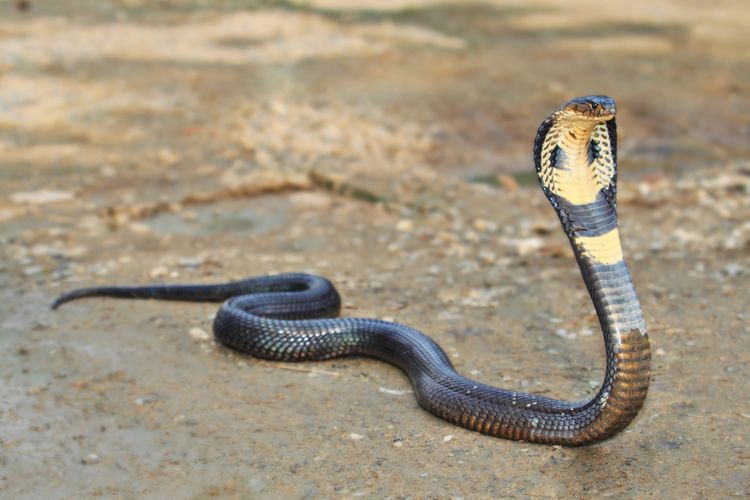
Region: Thailand, Malaysia, Indonesia, Philippines
Average Length: Up to 5.5 meters
Venom Type: Neurotoxic
Deadly Feature: It’s the world’s longest venomous snake—and smart.
The King Cobra is practically royalty in the snake world—not just because of its size but also because of its calculated strikes and eerie intelligence. This apex predator doesn’t just kill to defend; it hunts other snakes, including venomous ones. Its bite can deliver enough venom to kill an elephant or up to 20 humans.
Despite its fearsome reputation, King Cobras are shy and prefer to avoid humans. But if provoked or cornered, you do not want to be in its path.
Fun (Terrifying) Fact: When threatened, it can raise a third of its body and flare its iconic hood, making it look you in the eye before striking.
2. Malayan Krait (Bungarus candidus)
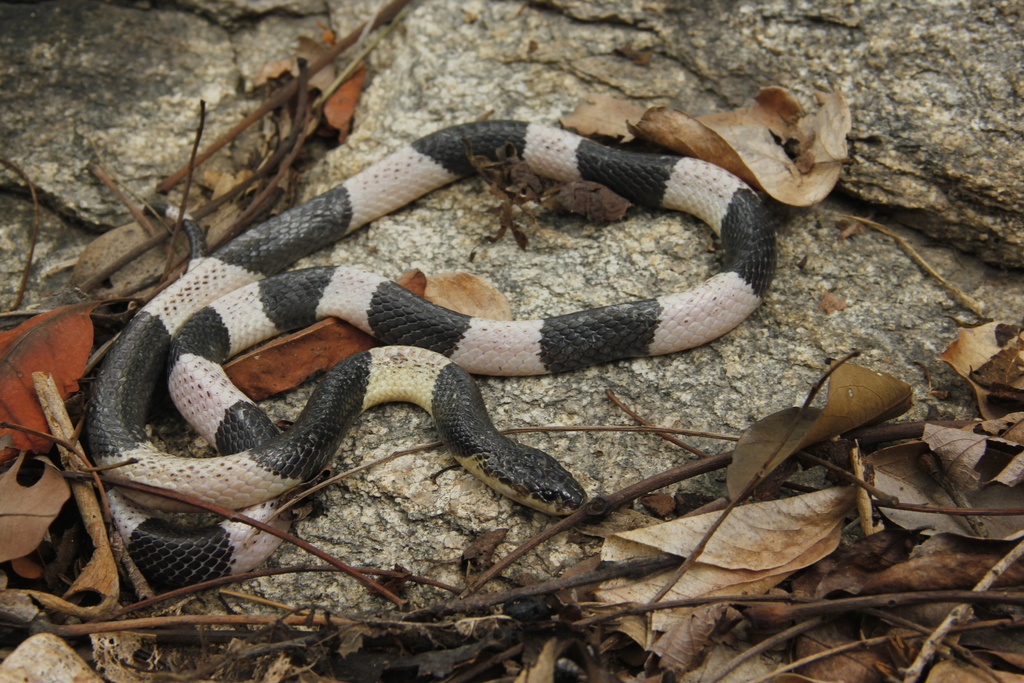
Region: Thailand, Laos, Cambodia, Indonesia
Length: Around 1–1.5 meters
Venom Type: Potent neurotoxin
Deadly Feature: Bites at night. Often painless. Highly fatal.
The Malayan Krait is a master of stealth. Often active at night and frequently found in human settlements, it’s responsible for numerous fatal bites—many while people are asleep. Its venom attacks the nervous system, leading to paralysis, respiratory failure, and death if untreated. The scary part? The bite often feels like a mild prick, and symptoms may not appear for hours.
Tip: Always check your bedroll or sleeping bag when camping in krait country.
3. Russell’s Viper (Daboia russelii)
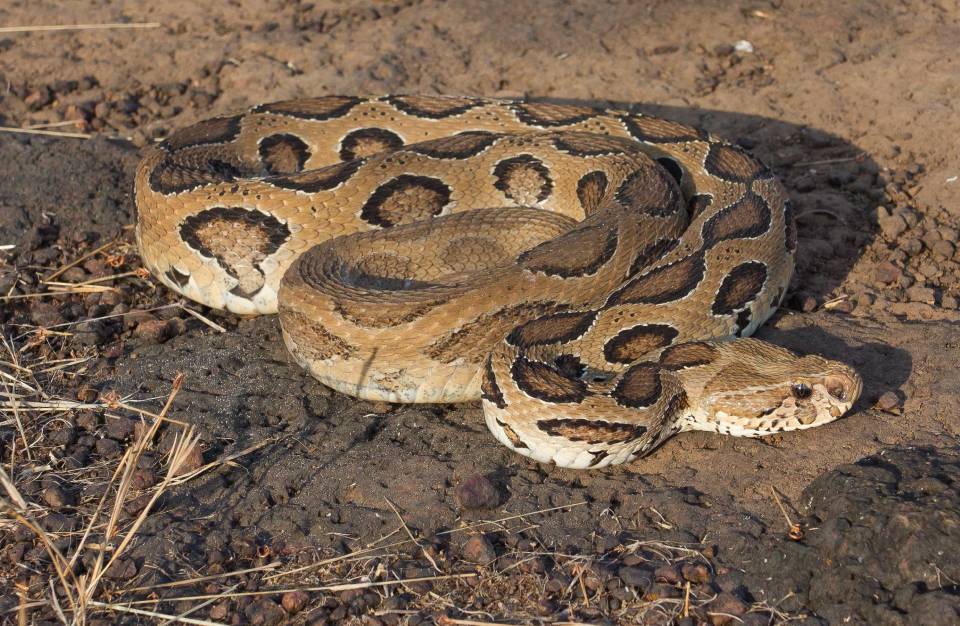
Region: Myanmar, Thailand, parts of Indonesia
Length: 1–1.5 meters
Venom Type: Hemotoxic
Deadly Feature: Fast-striking and aggressive when threatened.
Russell’s Viper is one of the most dangerous snakes in Asia—not just for its venom, but for the number of bites it delivers every year. Its venom causes internal bleeding, kidney failure, and tissue necrosis, and even with treatment, long-term complications are common.
Because it often lives in grassy fields and farmlands, it’s a major threat to rural communities.
Warning: Its hiss is loud and distinctive—if you hear it, freeze and slowly back away.
4. Blue Krait (Bungarus caeruleus)

Region: Indonesia, Malaysia, southern Thailand
Length: About 1 meter
Venom Type: Extremely neurotoxic
Deadly Feature: One of the most toxic snakes in the world—no joke.
Also called the Common Krait, this snake is deceptively beautiful with its black and white bands. But don’t let its looks fool you: it’s responsible for thousands of deaths annually across Asia. Its venom is 16 times more potent than a cobra’s, and it rarely shows warning signs before it strikes.
Like its cousin the Malayan Krait, it tends to bite at night and often inside homes.
5. Banded Sea Krait (Laticauda colubrina)
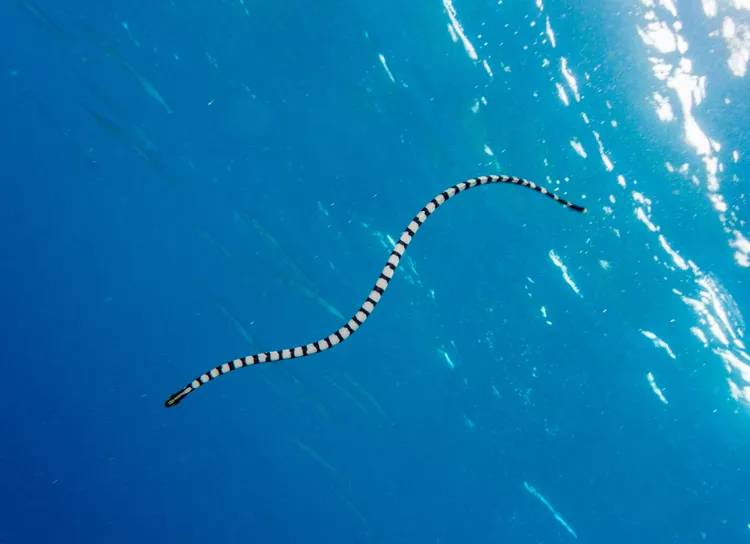
Region: Coastal waters of Southeast Asia
Length: 1–1.4 meters
Venom Type: Potent neurotoxin
Deadly Feature: Incredibly venomous, but very docile.
Unlike the rest of this list, the Banded Sea Krait lives in the ocean and hunts eels in coral reefs. It has a flat, paddle-like tail and often comes ashore to rest or lay eggs. Its venom is incredibly powerful—10 times stronger than a rattlesnake’s—but it’s calm by nature and rarely bites humans.
Swimmers and divers should keep their distance, but don’t panic—they’re not looking for trouble.
How to Stay Safe in Snake Territory
- Wear boots and long pants when trekking through forests or fields.
- Avoid tall grass and rocky areas where snakes hide.
- Use a flashlight at night—many dangerous snakes are nocturnal.
- Never handle or provoke a snake, even if it looks dead.
- Learn basic first aid and know the nearest hospital if you’re exploring remote areas.
What About Antivenom?
If you’re bitten, time is everything. Always seek immediate medical attention—don’t rely on home remedies. Antivenom exists for most species, but it’s not always available in rural areas, which is why prevention is key.
Final Thoughts
Southeast Asia is a paradise—but even paradise has its predators. Snakes are a vital part of the ecosystem and usually want nothing to do with humans. Still, knowing the risks and how to avoid them is part of being a smart, responsible traveler.
So go ahead, explore the jungles, beaches, and backroads—but always watch where you step.
