



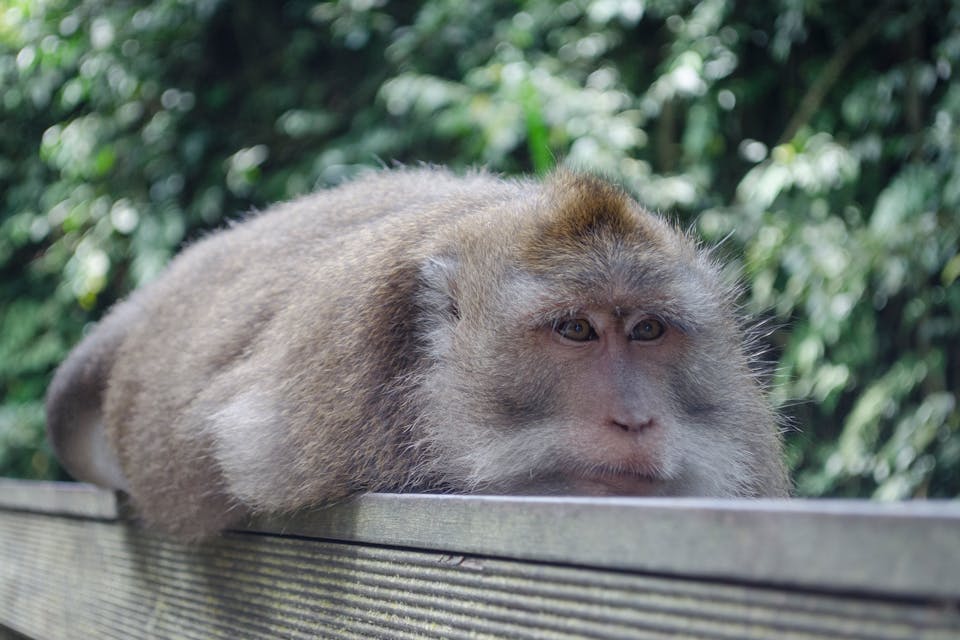
If you’re traveling through Southeast Asia—whether it’s Bali, Thailand, or Sumatra—you’ll likely run into some very curious, very bold, and very hungry locals. No, we’re not talking about street vendors—we’re talking about monkeys.
These clever little creatures might look adorable from afar, but trust us: a monkey encounter can go from “aww” to “OH NO!” real fast, especially if you’re carrying snacks.
So before you find yourself chased by a banana bandit or robbed of your sunglasses, here’s your ultimate guide to surviving a monkey encounter in Southeast Asia (and keeping your snacks safe).
Why Monkeys Aren’t Afraid of You
Monkeys in touristy areas are used to humans. In places like Ubud’s Sacred Monkey Forest or temples in Sri Lanka and Malaysia, they interact with people daily—and often get rewarded with food.
They’ve learned two things:
- Humans carry snacks.
- Humans are slow and easy to scare.
Smart, right?
That’s why they may approach confidently, try to snatch food, unzip bags, or even grab things out of your hand. It’s not aggression—it’s street smarts. But if you’re not prepared, it can get intense.
Do’s and Don’ts During a Monkey Encounter
Here’s how to act like a pro—and not a panicked tourist.
DO: Keep food out of sight
Monkeys have sharp eyes and noses. If they see a banana, cookie, or even a shiny snack wrapper, they’ll come for it.
- Don’t carry food openly in monkey zones.
- Keep snacks zipped in your bag—not in your hand or pockets.
DON’T: Smile or make eye contact
To you, a smile is friendly.
To a monkey, showing teeth is a threat.
And staring at them in the eyes? That’s a challenge. If you lock eyes, the monkey might feel like you’re confronting it. Keep your gaze soft and casual.
DO: Stay calm and walk slowly
If a monkey approaches, stay cool. Back away slowly and confidently. Don’t scream or run—that might excite or scare them into attacking.
They’re testing boundaries. If you stay chill, they usually lose interest.
DON’T: Try to take your stuff back
If a monkey grabs something, don’t fight them. They’re fast, strong, and unpredictable. You’re not going to win.
If it’s something valuable (like your phone or glasses), locals sometimes trade food to get it back. That’s why it’s smart to carry a “sacrificial snack” just in case.
What to Bring (and What to Hide)
If you’re visiting an area known for monkeys, pack smart:
- A secure backpack (not open tote bags)
- Zip your zippers (monkeys have learned to unzip)
- Sunglasses strap (they love to snatch shiny things)
- No visible plastic bags (they think it’s food)
- Keep phones and cameras tucked away unless you’re using them
Pro Tip: Don’t dangle anything. That includes necklaces, straps, earphones, or water bottles. If it swings, they’ll grab it.
Should You Feed Monkeys?
Short answer: Don’t.
It might seem cute or “authentic,” but feeding wild monkeys:
- Encourages aggressive behavior
- Makes them dependent on humans
- Can spread diseases
Some places even have signs saying it’s illegal. It’s better to observe than interact. Nature is beautiful—let’s keep it wild.
What If a Monkey Bites or Scratches You?
Monkey bites are rare but can be serious. If it happens:
- Clean the wound immediately with clean water and soap.
- Seek medical attention ASAP. Monkey bites can carry rabies or bacterial infections.
- Report the bite to the local authorities or your travel insurance provider.
Better safe than sorry.
Top Places in Southeast Asia With Monkey Encounters
If you’re planning your trip, here are a few monkey hotspots where you’ll want to keep this guide handy:
- Sacred Monkey Forest, Ubud – Bali, Indonesia
- Uluwatu Temple, Bali
- Lopburi Monkey Town, Thailand
- Mount Batur, Bali
- Swayambhunath (Monkey Temple), Nepal
- Penang National Park, Malaysia
- Bukit Lawang, Sumatra (home of both monkeys and orangutans)
Respect, Not Fear
Monkeys aren’t out to hurt you—they’re just doing what they know. They’ve learned that tourists = food = opportunity. When you respect their space and follow the right behavior, encounters can be safe, fun, and Instagram-worthy (without chaos).
So pack smart, stay chill, and keep those bananas hidden.
Because in Southeast Asia, if you drop your guard, your snacks are gone—and that monkey will be halfway up a tree laughing at you.
