



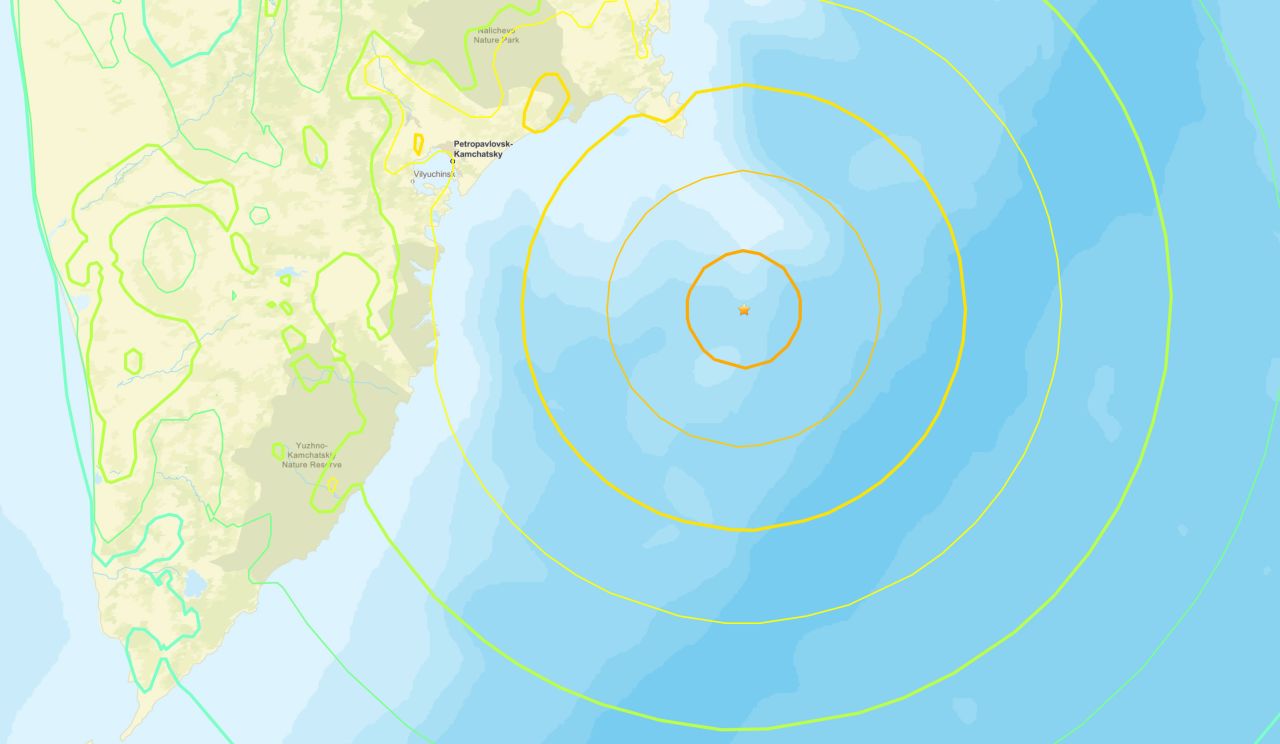
In the early hours of Wednesday, an extraordinary natural event set the world on edge: a powerful 8.8 magnitude earthquake struck off Russia’s far eastern coast near the Kamchatka Peninsula. Within moments, the tremor sent ripples far beyond its epicenter—not just through the Earth’s crust but across vast stretches of the Pacific Ocean. From Russia and Japan to the shores of Hawaii and the US West Coast, the world watched as tsunami waves raced across waters, prompting alerts and evacuations from California to Peru.
The Monster Beneath Kamchatka
Russia’s far east is no stranger to seismic activity, but this quake was different. At 8.8 magnitude, it tied as the sixth strongest earthquake ever recorded by humans. It struck just offshore of the Kamchatka Peninsula, one of the most geologically active places on Earth.
The earthquake not only shook the ground—it stirred the sky as well. Klyuchevskaya Sopka, Eurasia’s tallest active volcano, erupted in response to the quake. Towering at 4,750 meters (15,580 feet), it released plumes of ash into the atmosphere, serving as a reminder of how interconnected Earth’s natural systems truly are.
Fortunately, Russian authorities reported no casualties. Kremlin spokesperson Dmitry Peskov stated that tsunami warning systems activated on time and building structures proved seismically sound, allowing residents to evacuate safely.
Boats Tossed, Containers Swept Away
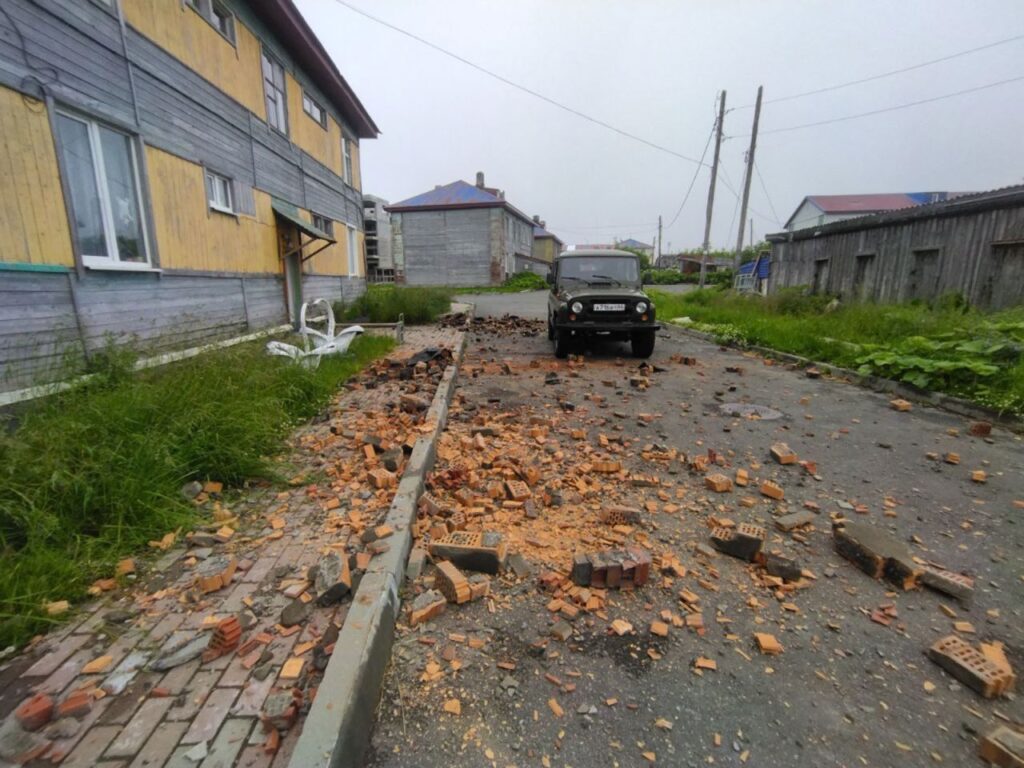
In Severo-Kurilsk, close to the quake’s epicenter, tsunami waves battered the coastline. Boats were torn from their moorings, and storage containers were seen drifting inland. Authorities declared a state of emergency, but by mid-morning, tsunami alerts were lifted across Kamchatka and the Northern Kuril Islands. “The situation is stabilizing,” assured regional officials, though emergency services remained on high alert.
Pacific on Edge: The Chain Reaction
It didn’t take long for the quake’s effects to spread across the Pacific. The US National Weather Service issued tsunami warnings and advisories stretching from the coasts of Alaska and California to Hawaii. A tsunami warning—the highest level of alert—remained in place for Northern California from Klamath down to Crescent City, a stretch of coastline known for its funnel-like underwater terrain that can amplify tsunami impacts.
Crescent City saw waves up to 3.6 feet, enough to trigger concern. Residents were told to avoid beaches and harbors as wave surges continued throughout the day.
“Like July 4th—but With Panic”
In Maui, Hawaii, the warning triggered scenes of urgent evacuation. Locals and tourists scrambled to reach higher ground. Debra Daniels, a resident staying at a beach resort, described the frantic atmosphere as cars packed narrow mountain roads, everyone trying to escape low-lying areas. “It almost felt like waiting for fireworks on the Fourth of July, but with anxiety,” she said.
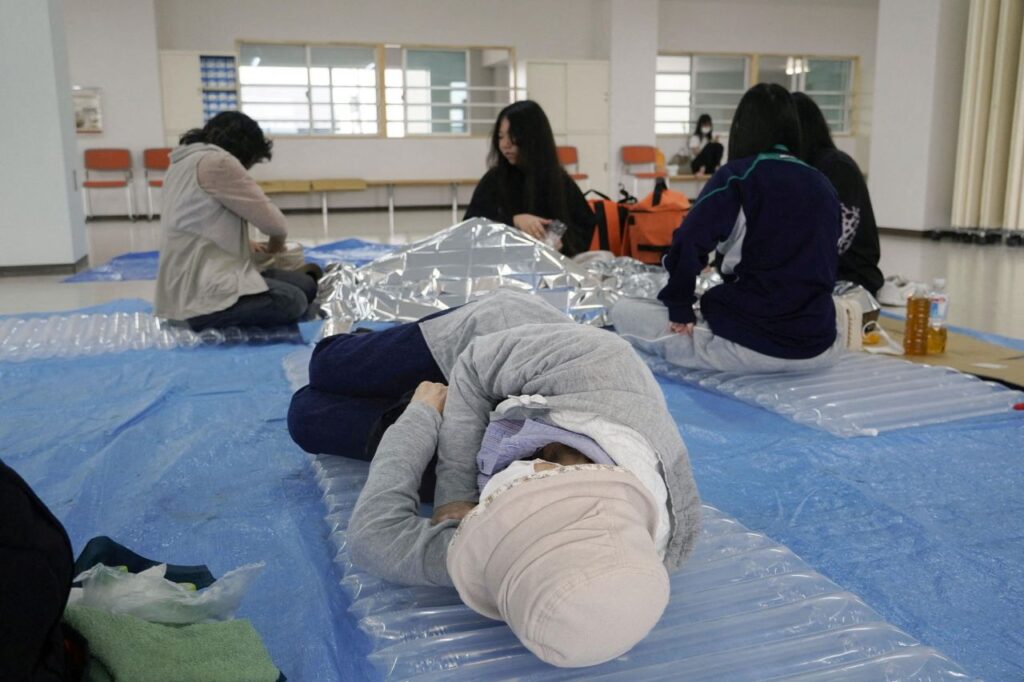
Some, unable to return home due to gridlocked roads, spent the night in their vehicles. Airports in Hilo and Maui halted operations to aid in the evacuation, with baggage claims temporarily closed and runways cleared for emergency use.
Waves Keep Coming: Experts Weigh In
This wasn’t just any quake. According to Jeffrey Park, a seismologist at Yale University, “This is the largest earthquake we’ve had in over a decade.” Lisa McNeill from the University of Southampton noted that it ruptured the Kuril-Kamchatka subduction zone, the same tectonic setting as the 2004 Indian Ocean and 2011 Japan tsunamis.
Joanna Faure Walker, a disaster risk expert at UCL, emphasized that tsunamis travel across oceans at speeds rivaling jumbo jets. “When they reach shallow waters, they slow down and build in height. That’s when it gets dangerous.”
A Global Event: Coastlines Under Threat
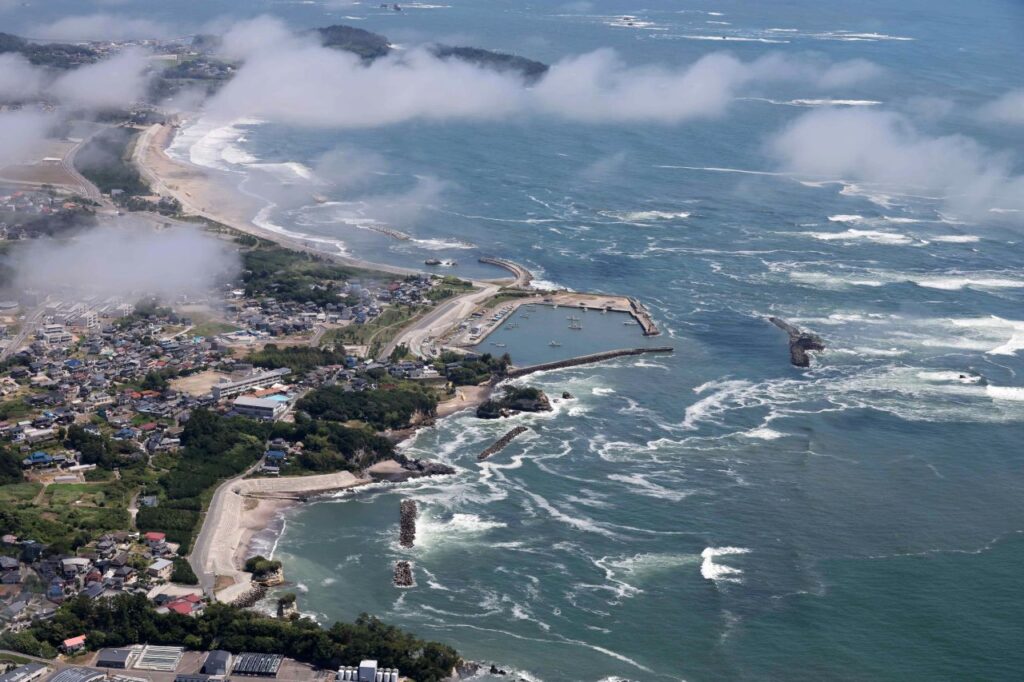
Tsunami waves hit not only Russia and Japan but also Canada, the US, and even the coasts of Latin America. Peru’s emergency center warned of waves as high as 2.31 meters (7.58 feet) hitting La Cruz port. Colombia ordered evacuations in several Pacific departments, while Mexico and Central American nations braced for possible surges.
In Japan, more than 2 million people were told to evacuate, especially in Hokkaido and Tohoku, as waves measuring over 4 feet hit northern shores. Although warnings were later downgraded, advisories remained in effect across the eastern coast.
French Polynesia’s Marquesas Islands braced for waves up to 4 meters (13 feet), while Ecuador’s Galapagos Islands expected surges up to 1.4 meters. Even far-flung Pacific islands like Guam and the Northern Mariana Islands issued and later canceled advisories, showing just how far-reaching the quake’s effects were.
Currents Still Dangerous
As the sun rose on the US West Coast, the National Weather Service warned that water activity remained volatile. Tidal swings of up to 2.5 feet were occurring within minutes, particularly in places like the San Francisco Bay Area and Ventura Harbor. Strong rip currents and sudden surges made beaches unsafe, even as the larger tsunami waves subsided.
Dr. Ariel Cohen from the LA/Oxnard NWS office emphasized, “We’re not out of the woods yet. The water’s still moving. Stay vigilant.”
Nature’s Chain Reaction
This earthquake—and the tsunami that followed—is a stark reminder of the Earth’s interconnectedness. A deep shift beneath the Kamchatka seabed triggered waves that traveled thousands of miles, disrupted lives, closed airports, and emptied beach resorts.
Yet, in the face of nature’s raw power, what stands out is the readiness. From Russia’s early warnings to Japan’s massive evacuations, from Hawaii’s mountain retreats to California’s guarded beaches, human systems moved into action. No lives were lost, a testament to global advancements in emergency response.
But Earth is always moving. The next tremor may come without warning. For now, the world breathes a sigh of relief, but remains on edge.
