



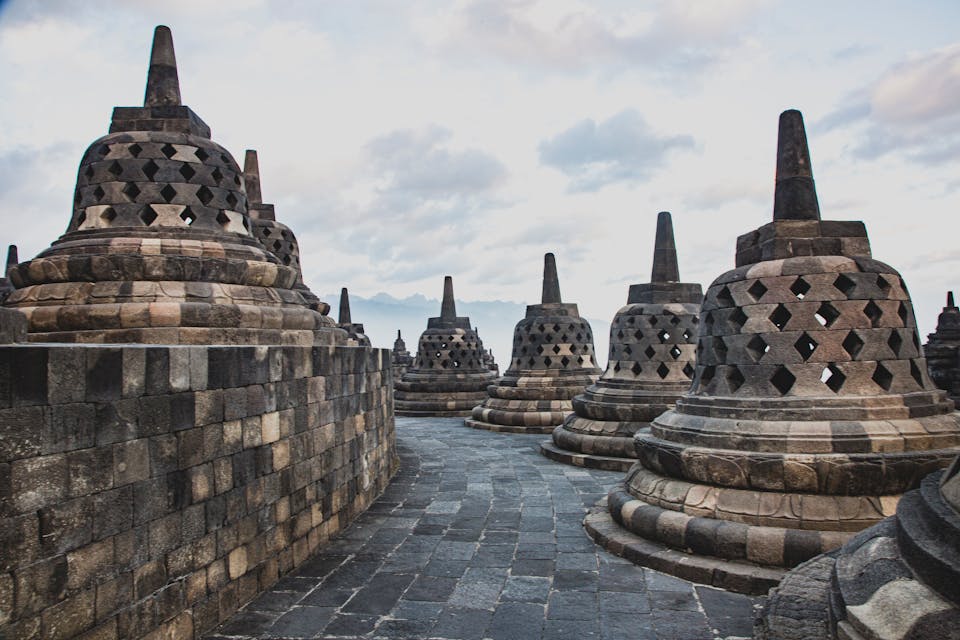
When people think of Indonesia, they often imagine tropical beaches, spicy street food, or the famous island of Bali. But beyond its palm-fringed coasts and lush rainforests lies one of the country’s most fascinating treasures—its sacred temples. These ancient structures are not just stone and brick; they are living monuments that blend spirituality, artistry, history, and architectural brilliance.
In this article, we’re diving deep into the magical world of Indonesia’s sacred temples—what makes them so special, where you can find them, and why they deserve a spot on every traveler’s bucket list.
A Tapestry of Faiths
Indonesia is the world’s largest Muslim-majority country, but its temple heritage mostly dates back to earlier times, when Hinduism and Buddhism flourished across the archipelago. From around the 7th to 15th centuries, these religions shaped kingdoms, culture, and architecture in a profound way. That legacy remains, not only in ruins but in rituals still practiced today.
What’s truly fascinating is how these temples tell a story of Indonesia’s pluralistic soul. Hindu temples, Buddhist sanctuaries, and even Chinese shrines often coexist in one area—each with its own unique style and spiritual vibe.
1. Borobudur Temple – The World’s Largest Buddhist Temple
Let’s start with the giant.
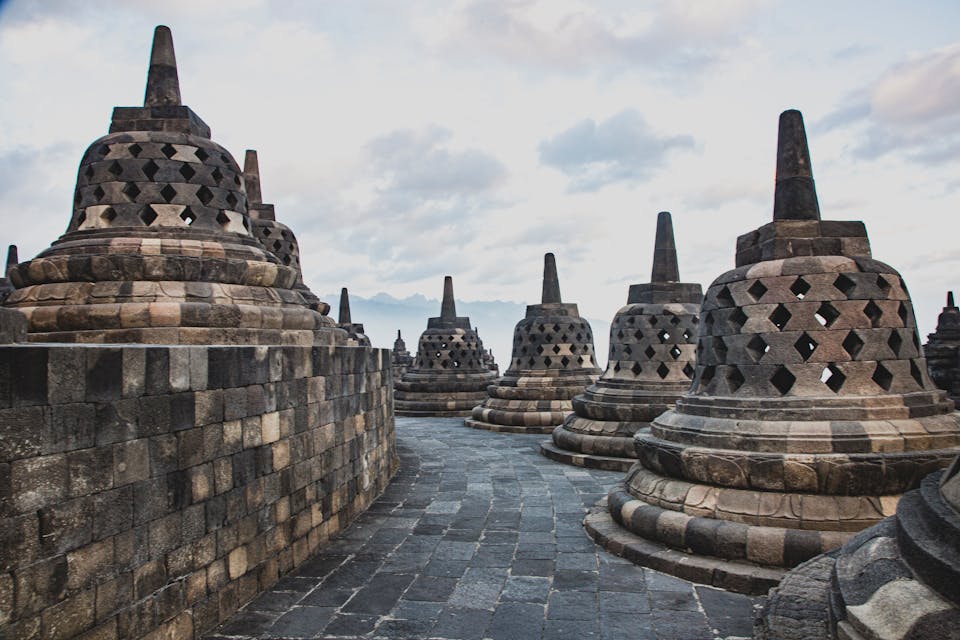
Located in Central Java, Borobudur is more than just a UNESCO World Heritage site—it’s a spiritual experience. Built in the 9th century, this temple is a massive stone mandala rising from the lush green landscape like a sacred mountain.
The temple is designed as a path to enlightenment. As you walk clockwise through its nine stacked platforms, you symbolically journey from the world of desire to the realm of formlessness. Along the way, you pass over 2,600 stone relief panels and hundreds of serene Buddha statues. The view from the top, especially at sunrise, is unforgettable.
Borobudur isn’t just for Buddhists or history buffs—it’s a magnet for photographers, spiritual seekers, and anyone looking to be awed by human achievement.
2. Prambanan Temple – A Hindu Masterpiece
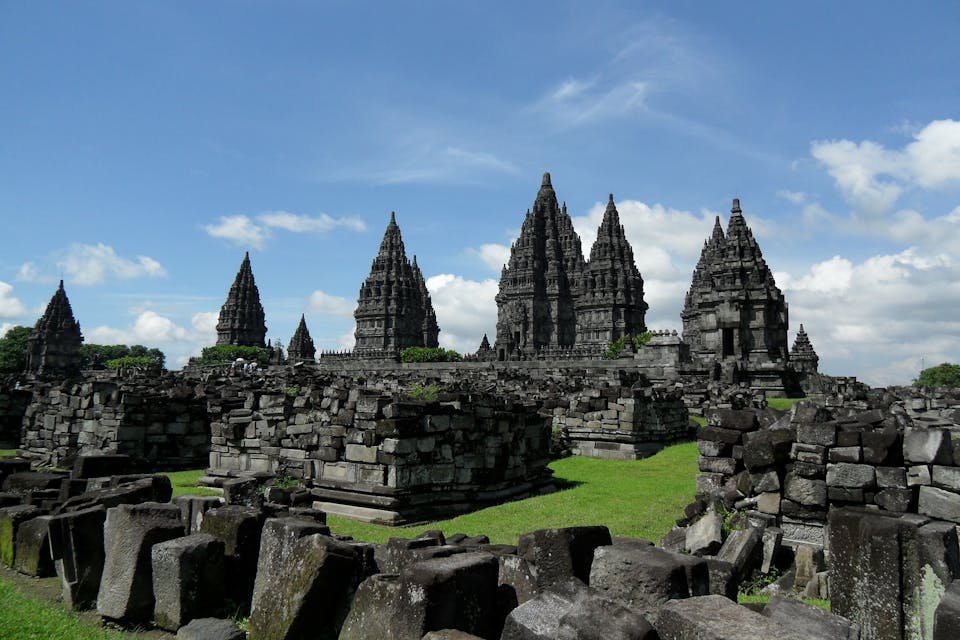
Just an hour’s drive from Borobudur lies Prambanan, the largest Hindu temple complex in Indonesia. Where Borobudur is circular and calm, Prambanan is sharp and soaring.
Built in the 9th century as well, Prambanan is dedicated to the Hindu trinity: Brahma (the Creator), Vishnu (the Preserver), and Shiva (the Destroyer). Its central tower reaches 47 meters high, adorned with intricate carvings depicting scenes from the Ramayana epic.
At night, the temple becomes even more magical during the Ramayana Ballet—an open-air performance where traditional Javanese dancers tell the story of Prince Rama and Sita, set against the illuminated temples. It’s history, art, and culture rolled into one stunning spectacle.
3. Pura Besakih – Bali’s Mother Temple
Moving east to the mystical island of Bali, we find a very different kind of temple: Pura Besakih.
Perched on the slopes of Mount Agung, this is Bali’s largest and most important Hindu temple complex. With over 80 individual temples, Besakih has been a center of worship for over a thousand years.
Unlike the massive stone structures of Java, Balinese temples are open-air and intricate, often decorated with gold, offerings, and colorful fabrics. At Besakih, the air is thick with incense and the sound of gamelan music echoes through the hills. You don’t just visit here—you feel the spirituality.
What makes Pura Besakih so special is its ongoing role in the life of Balinese Hindus. Major ceremonies here draw thousands of worshippers dressed in traditional attire, carrying ornate offerings and chanting ancient prayers.
4. Goa Gajah – The Mysterious Elephant Cave
If you’re more into offbeat, mystical sites, Goa Gajah (Elephant Cave) is a must-see.
Located near Ubud, Bali’s cultural capital, this 11th-century sanctuary was carved into a rock face and originally served as a meditation cave. At the entrance, you’re greeted by a grotesque face—possibly a protective demon or the Hindu god Ganesha, depending on who you ask.
Inside the cave, you’ll find lingam and yoni symbols (representing Shiva and Shakti), as well as a statue of Ganesha. Outside, there are ancient bathing pools, gardens, and hidden shrines.
It’s a compact but deeply atmospheric site—perfect for a short detour that leaves a lasting impression.
5. Candi Sukuh – Indonesia’s Erotic Temple
Here’s one for the curious-minded: Candi Sukuh, often dubbed “Indonesia’s erotic temple.”
Located on the slopes of Mount Lawu in Central Java, Candi Sukuh is unlike any other. Built in the 15th century, it has a pyramid-like shape more reminiscent of the Mayan temples in Central America.
What sets Sukuh apart is its frank, even bold, depictions of sexuality. Phallic symbols, reliefs of human reproduction, and fertility rituals are carved openly into the temple’s walls.
Far from being taboo, these depictions were deeply spiritual—celebrating life, fertility, and cosmic balance. It’s a reminder that ancient Indonesian cultures embraced a holistic view of life, spirit, and nature.
Why Indonesia’s Temples Matter Today
Indonesia’s sacred temples are more than tourist attractions. They are reminders of a rich, complex, and interconnected past—a time when trade routes brought ideas, people, and faiths from across Asia and blended them into something uniquely Indonesian.
These temples also remind us of the power of sacred architecture—how buildings can be designed not just to impress, but to transform. From the way sunlight hits the reliefs at Borobudur, to the meditative stillness of a mountain temple in Bali, these spaces are designed to elevate the soul.
And in a world that often feels too fast, too digital, and too divided, stepping into one of these ancient sanctuaries is like pressing pause on reality.
Tips for Visiting Sacred Temples in Indonesia
If you’re planning a trip to these holy sites, here are a few tips to make your visit respectful and meaningful:
- Dress Modestly: Wear clothes that cover your shoulders and knees. Many temples offer sarongs at the entrance.
- Respect Rituals: Don’t interrupt ceremonies or enter areas marked for worshippers only.
- Hire a Local Guide: They offer fascinating insights you won’t get from signs or books.
- Best Time to Visit: Early morning (especially for Borobudur) to avoid crowds and catch that golden sunrise.
- Stay Mindful: These are living religious sites. Even if you’re there for photos, remember the sacredness of the space.
Final Thoughts
Indonesia’s sacred temples are true marvels—not just of stone and design, but of human spirit and cultural evolution. Whether you’re a spiritual seeker, history buff, architecture nerd, or simply a curious traveler, these places have something powerful to offer.
So next time you’re planning a Southeast Asian adventure, skip the obvious and dive into the sacred. Because in Indonesia, the past isn’t just remembered—it’s alive in stone.
