
Close Menu
Saibumi | Uncovering Asia, One Story at a Time
    What's Hot

    Indonesia’s National Nutrition Agency Leadership Change Draws International Attention

    June 3, 2026

    Indonesia’s Biodiesel Shift: B50 Plan Put on Hold, Raising Questions for Global Palm Oil Markets

    January 14, 2026

    Elephants Help Clear Wooden Debris After Aceh Disaster

    December 27, 2025
    Facebook X (Twitter) Instagram
    Saibumi | Uncovering Asia, One Story at a TimeSaibumi | Uncovering Asia, One Story at a Time
    • About Us
    • Contact Us
    • Advertise
    Facebook X (Twitter) Instagram YouTube LinkedIn Reddit
    • Home
    • Stories

      The Global Plastic Treaty Fails Again – What Does It Mean for the Planet?

      August 27, 2025

      Puru Kambera Savanna: Tracing the Wild Horses of East Sumba

      August 25, 2025

      West Sumatra Emerges as a Leading Muslim-Friendly Travel Destination

      August 24, 2025

      Tabola Bale Song: The Viral Music Blend From Eastern Indonesia

      August 20, 2025

      Tanjung Karang Beach: An Underwater Paradise in Donggala

      August 20, 2025
    • Travel

      Know the Types of Snakes in the Wild & What to Do If You Get Bitten

      December 27, 2025

      Thailand Named the Best Food Country in the World 2025 — Beating Italy and Japan

      October 14, 2025

      Dieng Plateau Officially Designated as Indonesia’s Newest National Geopark

      September 29, 2025

      The Culture of Souvenirs: How Indonesians Strengthen Workplace Relationships Through Oleh-oleh

      September 29, 2025

      6 Best Coffee Shops in Asia – And Yes, One of Them Is in Indonesia!

      September 28, 2025
    • Culture
    • Lifestyle
      1. Food & Culture
      2. Green Living
      3. Local Life
      4. Modern Living
      5. People & Inspiration
      6. View All

      Gen Z in Indonesia and the Global “Escape Culture”: Why Many Are Saying #KaburAjaDulu

      October 20, 2025

      The Export of Indonesian Specialty Products: How Local Ingredients Are Becoming Global Brands

      October 20, 2025

      From Training to Takeoff: MKP’s Approach to Responsible Worker Preparation

      October 18, 2025

      Thailand Named the Best Food Country in the World 2025 — Beating Italy and Japan

      October 14, 2025

      List of Plants That Attract and Repel Snakes Around the House

      October 20, 2025

      Bird-Friendly Coffee in Lampung: Wild Birds Help Farmers Control Pests Naturally

      September 23, 2025

      Standing Still Like a Stick: How Tree Snakes Outsmart Predators with Vertical Sleep

      July 17, 2025

      Not a Cat, Not a Snake — Meet the Plant That Can Eat Rats

      July 12, 2025

      #KaburAjaDulu: When Young Indonesians Feel Like Escaping Is the Only Way to Survive

      October 9, 2025

      The Culture of Souvenirs: How Indonesians Strengthen Workplace Relationships Through Oleh-oleh

      September 29, 2025

      How Remote Work and Digitalization Are Transforming Indonesian Work Culture

      September 28, 2025

      Staying Healthy in Unpredictable Weather: Indonesian Habits the World Can Learn From

      September 21, 2025

      Gen Z in Indonesia and the Global “Escape Culture”: Why Many Are Saying #KaburAjaDulu

      October 20, 2025

      Indonesia’s Beauty Industry Is Having a Major Glow-Up

      July 1, 2025

      Why Indonesian Coffee Is the Next Big Thing Among Global Freelancers

      June 30, 2025

      The Culture of Souvenirs: How Indonesians Strengthen Workplace Relationships Through Oleh-oleh

      September 29, 2025

      The Indonesian Work Culture: Harmony and Gotong Royong in Action

      September 16, 2025

      Southeast Asian Solidarity: Citizens Rally Behind Indonesian Protesters Amid Police Violence

      September 6, 2025

      What Germans Can Learn from the Philosophy of Gotong Royong

      July 16, 2025

      Gen Z in Indonesia and the Global “Escape Culture”: Why Many Are Saying #KaburAjaDulu

      October 20, 2025

      #KaburAjaDulu: When Young Indonesians Feel Like Escaping Is the Only Way to Survive

      October 9, 2025

      The Indonesian Work Ethic: Why Global Teams Trust Indonesian Professionals

      October 2, 2025

      Why Indonesian Talents Are the Best Choice for Global Companies

      October 2, 2025
    • Local Business
    Subscribe
    Saibumi | Uncovering Asia, One Story at a Time
    Home » Coral Reefs and Sustainable Development: Why Saving Indonesia’s Underwater Forests Is Key to Our Future
    Don't Miss

    Coral Reefs and Sustainable Development: Why Saving Indonesia’s Underwater Forests Is Key to Our Future

    Editor DeskBy Editor DeskJuly 16, 2025Updated:July 16, 2025No Comments7 Mins Read
    Facebook Twitter Pinterest LinkedIn Tumblr Email
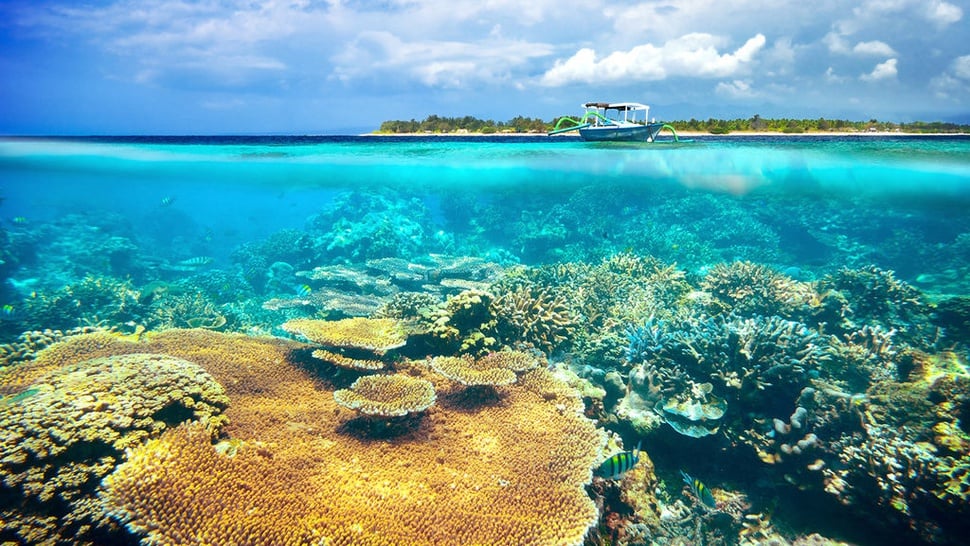
    Terumbu karang di pulau Gili Meno, Indonesia. Getty Images/iStockphoto
    Share
    Facebook Twitter LinkedIn Pinterest Email Copy Link

    Imagine swimming through a vibrant underwater world where every corner bursts with life—schools of colorful fish darting through intricate coral formations, sea turtles gliding gracefully, and curious reef sharks patrolling the waters. This isn’t just a diver’s dream. It’s a real ecosystem, right beneath the surface, that supports millions of people and plays a crucial role in the health of our planet.

    We’re talking about coral reefs—and more specifically, the ones surrounding the Indonesian archipelago. But here’s the thing: these underwater wonders are in serious trouble. Overfishing, climate change, pollution, and destructive tourism are just a few of the threats putting them at risk.

    So, how do we save them?
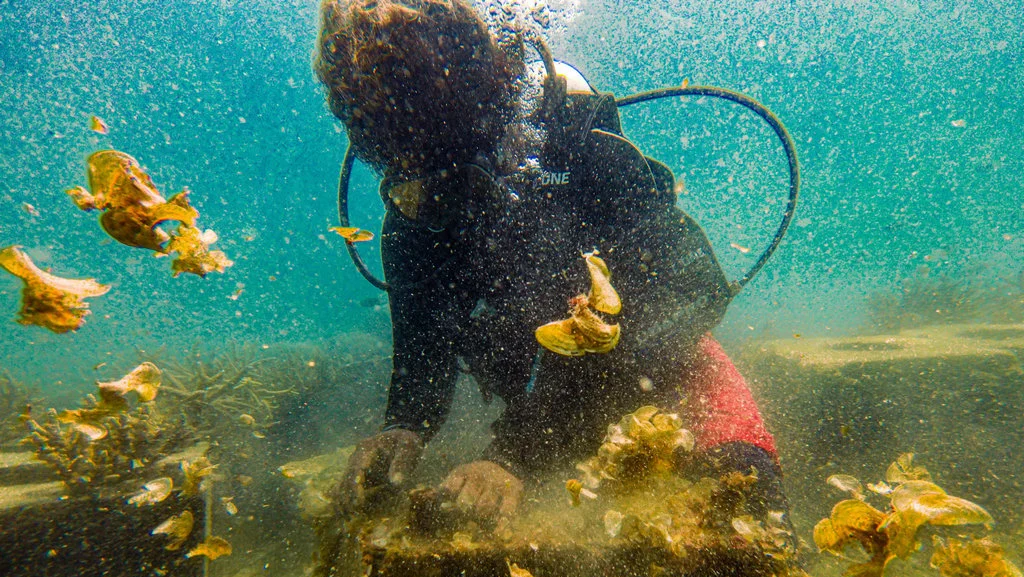
    ANTARA FOTO/M Adimaja

    The answer lies in a powerful, practical concept that governments, communities, and conservationists around the world are starting to embrace: sustainable development.

    In this article, we’ll explore how coral reef conservation fits into the bigger picture of sustainable development in Indonesia, why it matters more than ever, and what each of us can do to be part of the solution.


    What Is Sustainable Development Anyway?

    Let’s start with the basics.

    Sustainable development is not just a fancy buzzword tossed around in climate summits. It’s a practical approach to growth that balances three core elements: economic development, social well-being, and environmental protection.

    In the words of Indonesia’s Law No. 32 of 2009 on Environmental Protection and Management, sustainable development is “a conscious and planned effort that integrates environmental, social, and economic aspects into development strategies to ensure the integrity of the environment and the safety, capability, welfare, and quality of life of present and future generations.”

    Sounds noble, right? But what does that mean in practice—especially when it comes to coral reefs?


    Coral Reefs: More Than Just a Pretty View

    Coral reefs are often dubbed “the rainforests of the sea”—and with good reason. Although they cover less than 1% of the ocean floor, they are home to over 25% of all marine species. They act as vital support systems not only for marine biodiversity but also for humans living near coastlines.

    SEE ALSO  Social Media Doesn’t Reflect Indonesians as a Whole

    Here’s what coral reefs do for us:

    1. They’re Marine Megacities

    Reefs provide shelter and breeding grounds for thousands of fish species, crustaceans, mollusks, and more. These organisms rely on coral for survival—and so do the fishermen and communities that depend on them.

    2. Natural Coastal Defenders

    Coral reefs act like natural sea walls, absorbing wave energy and protecting coastlines from erosion, floods, and storm surges. With rising sea levels and increasingly unpredictable weather due to climate change, this function is more important than ever.

    3. Economic Lifelines

    Millions of Indonesians rely on coral reef ecosystems for their livelihoods—through fishing, tourism, and small-scale trade. Reefs contribute significantly to local economies, especially in places like Bali, Raja Ampat, and the Wakatobi Islands.

    4. Carbon Regulators

    Healthy coral reefs help regulate carbon and nitrogen levels in the ocean, contributing to climate stability and helping to mitigate global warming.

    5. Potential Life-Savers

    Believe it or not, coral reefs may hold the key to curing diseases. Scientists are exploring reef organisms for bioactive compounds that could lead to treatments for cancer, viruses, and other conditions.
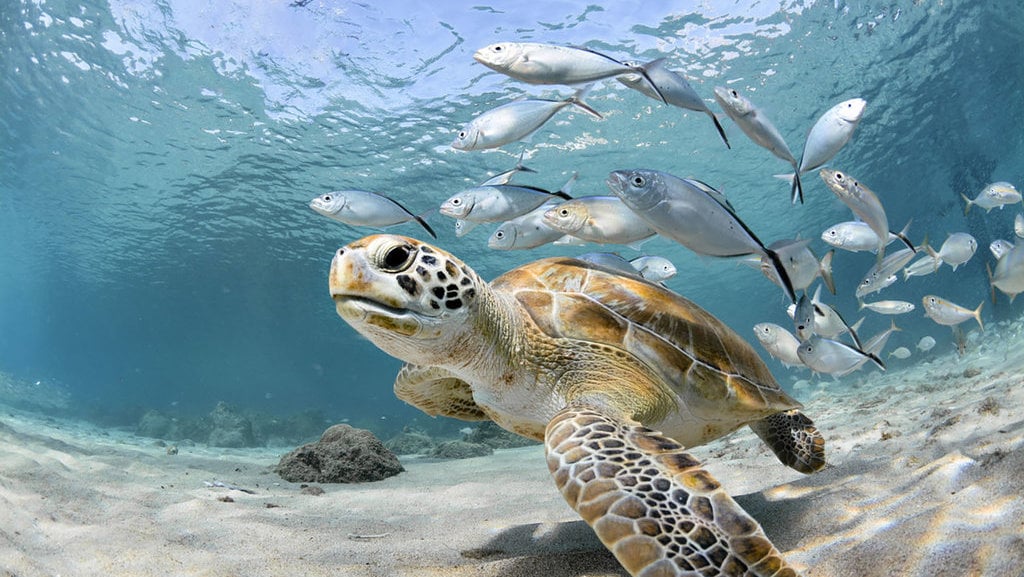

    Ilustrasi Ekosistem Laut. foto/istockphoto

    Indonesia’s Coral Reefs: A Global Treasure Under Threat

    Indonesia is home to the world’s largest coral reef area—about 18% of the global total. These reefs form a critical part of the Coral Triangle, the world’s most biologically diverse marine region.

    But the outlook isn’t pretty.

    A recent assessment by the Ministry of Marine Affairs and Fisheries (KKP) showed that only around 6.5% of Indonesia’s reefs are in excellent condition. Many have been severely damaged by pollution, coral bleaching, illegal fishing practices (like using cyanide or dynamite), unregulated tourism, and coastal development.

    If we don’t take bold steps now, we risk losing not just a source of income and food—but also a vital part of our planet’s ecological balance.


    How Does Sustainable Development Apply to Coral Reefs?

    You might be wondering: how exactly does the concept of sustainable development help protect coral reefs?

    SEE ALSO  Are There Wolves in Indonesia? Unraveling the Mystery of the Elusive Predator

    The idea is to ensure that we use marine resources in a way that supports both the environment and the people who depend on it, now and in the future.

    In Indonesia, this is being translated into action through the Blue Economy Policy. This government-backed framework aims to promote economic growth while preserving ocean ecosystems.

    Here are five core strategies under Indonesia’s Blue Economy approach:

    1. Expanding Marine Conservation Areas
      More marine areas are being protected by law, with designated no-fishing zones and strict conservation regulations.
    2. Quota-Based Sustainable Fishing
      Instead of open-access fishing, catches are now monitored and limited based on scientific data.
    3. Eco-Friendly Aquaculture Development
      Sustainable fish farming (both freshwater and marine) is being promoted as an alternative to overfishing.
    4. Integrated Coastal Management
      Coastal zones are being managed more holistically to balance tourism, development, and environmental protection.
    5. Marine Plastic Waste Reduction
      Programs like the “Bulan Cinta Laut” (Ocean Love Month) involve fishermen in collecting ocean waste, especially plastics.

    Real-World Solutions: How We Can Save Coral Reefs

    Theory is one thing, but what does coral reef conservation look like on the ground—or rather, under the water?

    Here are some real, actionable ways Indonesia is bringing sustainable development principles to life in its coral reef conservation efforts:

    1. Marine Zoning and No-Take Zones

    Dividing ocean areas into zones for fishing, tourism, and conservation helps balance human use with ecological preservation. “No-take zones” allow coral ecosystems to recover naturally.

    2. Community-Based Management

    Local communities are often the best stewards of marine resources. Many areas have empowered coastal villages to manage nearby reefs, giving them ownership and responsibility over their protection.

    3. Coral Reef Education and Outreach

    Education is a powerful tool. NGOs and government agencies run workshops and school programs to teach locals about reef ecology, conservation techniques, and sustainable fishing practices.

    4. Eco-Tourism and Responsible Diving

    Tourism, when managed properly, can support reef conservation rather than harm it. Responsible tour operators now follow strict guidelines to ensure tourists don’t damage coral formations while diving or snorkeling.

    SEE ALSO  Culture Clash or Culture Class? Understanding the Differences Between Indonesia and America

    5. Coral Restoration Projects

    Damaged reefs are being rehabilitated through coral transplantation and artificial reef structures. These methods help rebuild the physical habitat and accelerate marine life recovery.

    6. Plastic Waste Management

    Indonesia has some of the highest levels of marine plastic pollution in the world. Community efforts to reduce single-use plastics, along with waste-collection initiatives involving local fishermen, are helping to keep reefs cleaner.

    7. Enforcement and Legal Protection

    Stronger regulations and enforcement against destructive practices like illegal fishing, reef mining, and anchoring on coral areas are critical to long-term reef protection.
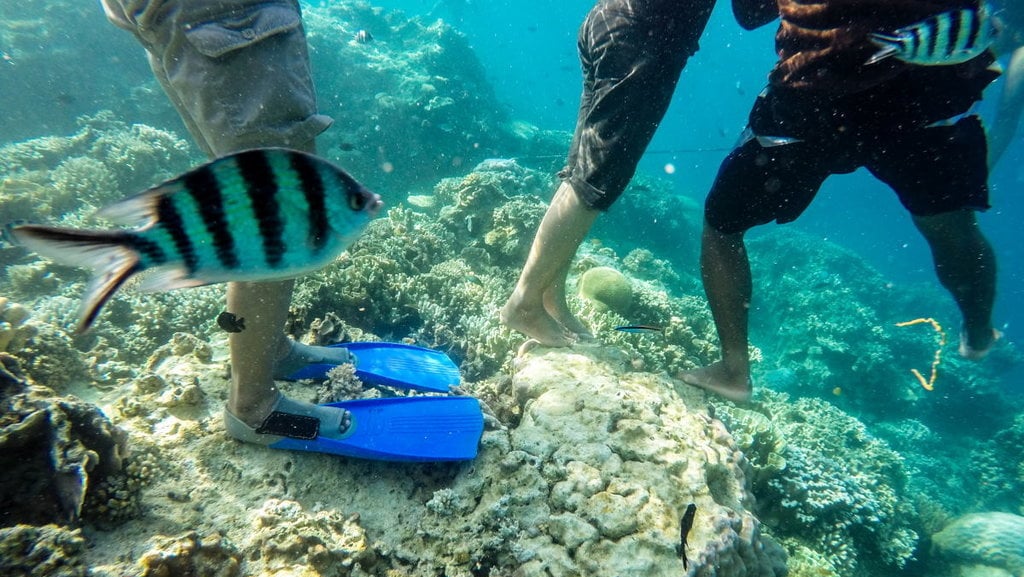

    ANTARA FOTO/Aji Styawan

    Why This Matters: Coral Reefs and Our Shared Future

    The need to protect coral reefs isn’t just an “environmentalist” issue—it’s an everyone issue.

    When coral reefs die, fisheries collapse, coastlines erode, tourism fades, and climate change accelerates. On the other hand, when we protect reefs, we protect livelihoods, economies, food security, and the natural balance of the ocean.

    We’re living in a time where the decisions we make now will echo far into the future. Sustainable development offers a roadmap—a way to grow and thrive without destroying the systems that support us.

    And coral reefs? They’re not just beautiful marine structures. They’re essential infrastructure for a healthy planet.


    Final Thoughts: Be Part of the Solution

    Whether you’re a policymaker, traveler, entrepreneur, student, or beach lover, you can help champion the future of coral reefs in Indonesia and beyond.

    Here’s how:

    • Support local eco-tourism operators who practice reef-safe diving and snorkeling.
    • Reduce your plastic footprint—especially when traveling to coastal areas.
    • Educate others about the importance of coral reefs.
    • Volunteer or donate to reef conservation organizations.
    • Stay informed and vote for leaders and policies that protect the ocean.

    Because at the end of the day, sustainable development isn’t just a government policy—it’s a shared responsibility. One reef, one community, and one decision at a time.

    blue economy Indonesia climate change coral reefs community reef management coral reef benefits coral reef conservation Indonesia coral reef restoration ecotourism coral reef Indonesia ocean policy marine ecosystem protection sustainable development
    Share. Facebook Twitter Pinterest LinkedIn Tumblr Email
    Previous ArticleSwiss Climber Airlifted from Mount Rinjani After Scary Fall on the Trail
    Next Article Indonesia’s Sacred Temples: A Spiritual and Architectural Marvel
    Editor Desk
    • Website

    Related Posts

    Economy

    Indonesia’s National Nutrition Agency Leadership Change Draws International Attention

    By Editor DeskJune 3, 2026
    Don't Miss

    Indonesia’s Biodiesel Shift: B50 Plan Put on Hold, Raising Questions for Global Palm Oil Markets

    By Editor DeskJanuary 14, 2026
    Disaster & Environment

    Elephants Help Clear Wooden Debris After Aceh Disaster

    By Editor DeskDecember 27, 2025
    Don't Miss

    Know the Types of Snakes in the Wild & What to Do If You Get Bitten

    By Editor DeskDecember 27, 2025
    Digital Life

    Gen Z in Indonesia and the Global “Escape Culture”: Why Many Are Saying #KaburAjaDulu

    By Editor DeskOctober 20, 2025
    Agriculture

    The Export of Indonesian Specialty Products: How Local Ingredients Are Becoming Global Brands

    By Editor DeskOctober 20, 2025
    Add A Comment
    Leave A Reply Cancel Reply

    Don't Miss

    Indonesia’s National Nutrition Agency Leadership Change Draws International Attention

    By Editor DeskJune 3, 2026

    Indonesia has attracted international attention following a recent leadership change at the National Nutrition Agency,…

    Indonesia’s Biodiesel Shift: B50 Plan Put on Hold, Raising Questions for Global Palm Oil Markets

    January 14, 2026

    Elephants Help Clear Wooden Debris After Aceh Disaster

    December 27, 2025

    Know the Types of Snakes in the Wild & What to Do If You Get Bitten

    December 27, 2025
    Top Posts

    Indonesia’s National Nutrition Agency Leadership Change Draws International Attention

    June 3, 2026

    Experience the Charm of Labuan Bajo’s Pinisi Boat Right Here in Lampung: Discover the Legendary Maritime Heritage of Indonesia

    June 30, 2025

    Must-Know: 5 Traditional Dances from Lampung You’ll Often Encounter

    June 30, 2025

    What to Do When You See a Snake: A Practical Guide for Everyday Life in Sumatra

    June 30, 2025
    Stay In Touch
    • Facebook
    • Twitter
    • Instagram
    • YouTube
    About Us
    About Us

    Saibumi International brings authentic stories, cultural depth, and off-the-radar destinations from Indonesia and the wider Asian region — crafted for readers who want more than surface-level travel and headlines.

    Facebook X (Twitter) YouTube Reddit
    Our Picks

    Indonesia’s National Nutrition Agency Leadership Change Draws International Attention

    June 3, 2026

    Indonesia’s Biodiesel Shift: B50 Plan Put on Hold, Raising Questions for Global Palm Oil Markets

    January 14, 2026

    Elephants Help Clear Wooden Debris After Aceh Disaster

    December 27, 2025
    Most Popular

    Indonesia’s National Nutrition Agency Leadership Change Draws International Attention

    June 3, 2026

    Experience the Charm of Labuan Bajo’s Pinisi Boat Right Here in Lampung: Discover the Legendary Maritime Heritage of Indonesia

    June 30, 2025

    Must-Know: 5 Traditional Dances from Lampung You’ll Often Encounter

    June 30, 2025
    • Home
    • About Us
    • Advertise
    • Contact Us
    © 2026 Saibumi International. SEO & Web by Dkonten Studio

    Type above and press Enter to search. Press Esc to cancel.