



It’s not just COVID-19 or dengue making headlines anymore. In 2025, chikungunya has taken the spotlight as one of the fastest-growing mosquito-borne diseases worldwide. With more than 250,000 reported cases and at least 90 deaths this year, the virus is no longer just a tropical concern—it’s gone global.
The hardest hit so far? China, which has recorded over 7,000 cases, its highest number on record. Outbreaks are also surging in Hong Kong, Taiwan, southern Europe (including France and Italy), and even the United States. For a disease that was once considered “rare” outside tropical zones, this rapid spread is alarming.
So what’s fueling chikungunya’s rise—and how are countries responding? Let’s break it down.
What Exactly Is Chikungunya?
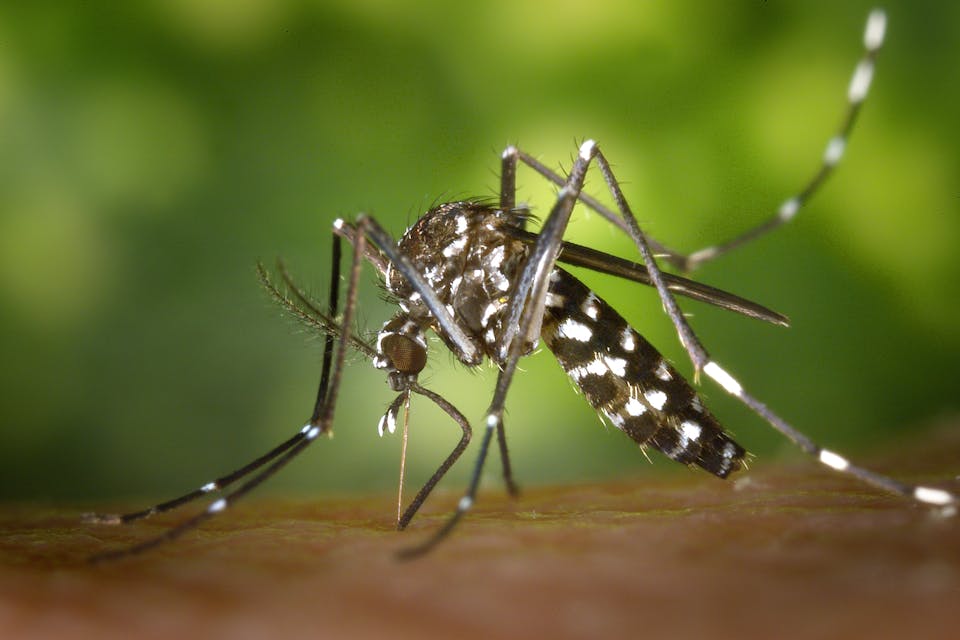
Chikungunya is a viral disease spread by Aedes mosquitoes, the same culprits behind dengue and Zika. The name itself comes from a word in the Kimakonde language, meaning “that which bends up,” a nod to the severe joint pain that often leaves patients hunched over.
Symptoms include:
- Sudden high fever
- Intense joint pain (sometimes lasting for months)
- Rash
- Fatigue
While most people recover, outbreaks can strain healthcare systems, disrupt economies, and in severe cases, cause lasting health issues.
Why Is Chikungunya Spreading So Fast Now?
Two main reasons: climate change and human mobility.
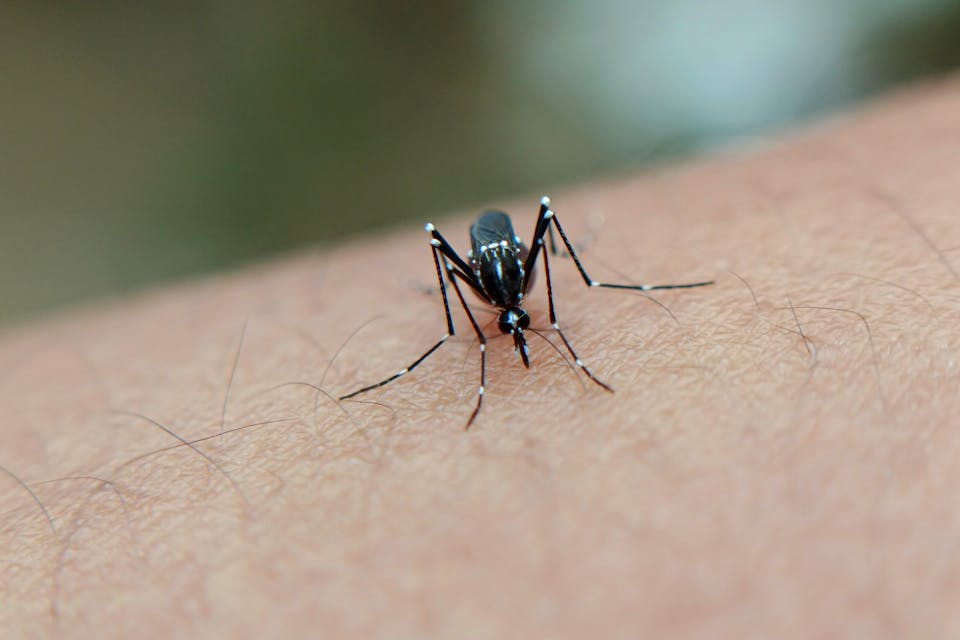
- Warming climates: Mosquitoes thrive in warmer, wetter conditions. As global temperatures rise and rainy seasons shift, areas like southern Europe—once too cold for Aedes mosquitoes—are now perfect breeding grounds.
- Travel and trade: Global connectivity means an infected person can board a plane in Asia and land in Europe within hours, giving mosquitoes in new regions the chance to spread the virus locally.
The combination of these factors has turned chikungunya from a “tropical virus” into a global public health challenge.
How Are Countries Fighting Back?
Each region is experimenting with its own strategies. Here’s what’s happening around the world:
China
Faced with its largest outbreak yet, Chinese authorities have doubled down on vector control. This includes large-scale mosquito fogging in high-risk provinces, public awareness campaigns encouraging people to remove standing water, and real-time case tracking via mobile apps.
Europe (Italy, France, Spain, Greece)
Southern Europe is now on the frontline. Local governments are focusing on community-based mosquito control, including distributing mosquito-repelling kits to households and launching summer campaigns warning travelers about symptoms. France has even integrated chikungunya into its national health surveillance system, treating it with the same urgency as dengue.
United States
Though numbers remain lower than Asia and Europe, U.S. health officials are worried. The CDC has ramped up airport screenings and increased surveillance in mosquito-prone states like Florida and Texas. Some local governments are testing mosquito sterilization programs (releasing genetically modified male mosquitoes to reduce populations).
India & Southeast Asia
These regions have long battled mosquito-borne diseases, so chikungunya is not new. However, the frequency of outbreaks is climbing. Health departments rely on integrated pest management—a mix of larvicide use, public health messaging, and early clinical treatment to reduce severe cases.
Latin America & the Caribbean
Countries here are leaning heavily on regional cooperation. The Pan American Health Organization (PAHO) has set up joint task forces to share outbreak data quickly and coordinate mosquito control across borders.
Is There a Vaccine or Cure?
As of now, there’s no widely available vaccine or specific cure for chikungunya. Treatment focuses on managing symptoms—rest, hydration, and pain relief. However, several pharmaceutical companies are in late-stage clinical trials for vaccines, raising hopes for availability in the next few years.
What Can You Do to Stay Safe?
No matter where you live, these simple steps can help protect you:
- Use insect repellent, especially during early morning and late afternoon.
- Wear long sleeves and pants in mosquito-heavy areas.
- Eliminate standing water around your home (buckets, flowerpots, clogged drains).
- If you feel sudden fever and joint pain after traveling, see a doctor immediately.
Chikungunya’s rise in 2025 is a wake-up call: mosquito-borne diseases are no longer limited to the tropics. Climate change and global travel have reshaped the risk map, and no region can afford to ignore it.
The good news? Countries are learning fast—sharing data, testing innovative mosquito control strategies, and preparing for the day when a vaccine becomes widely available. Until then, awareness and prevention remain our best defense.
