



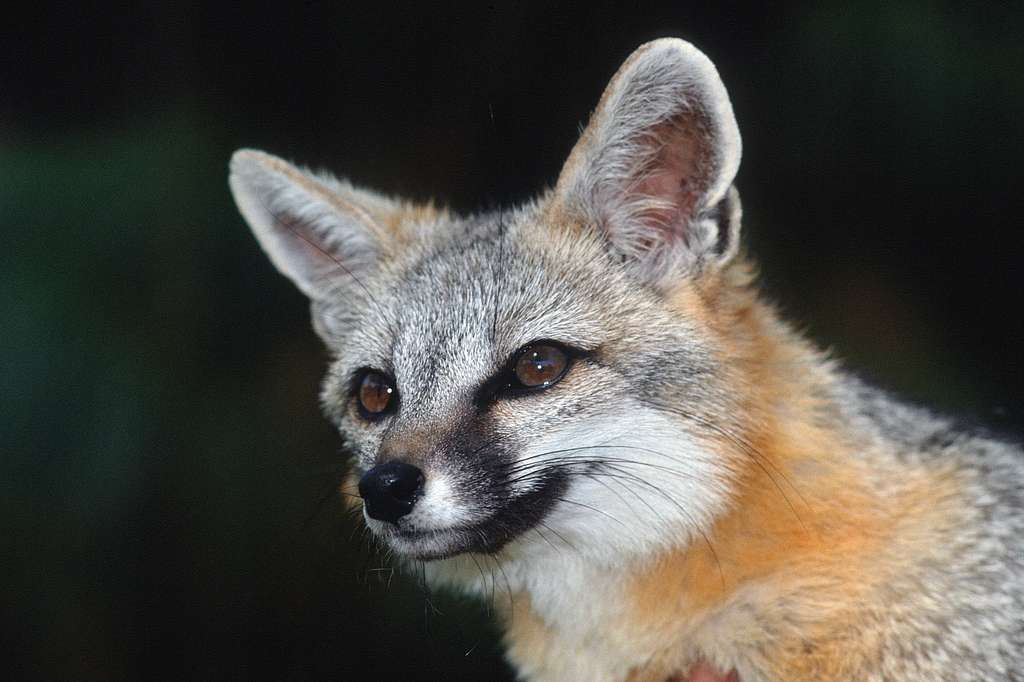
Meet the Tree-Climbing Wild Dog That Moves Like a Cat: The Remarkable Gray Fox
Imagine a wild dog that climbs trees, stores food on branches, and sneaks around like a feline. Sounds like a creature out of a fantasy movie, right? But this incredible animal is real—and it’s living across North and Central America. Meet the gray fox (Urocyon cinereoargenteus), one of nature’s strangest canines and the only member of the dog family in North America that lives part of its life high above the ground.
The Wild Dog That Lives in Trees
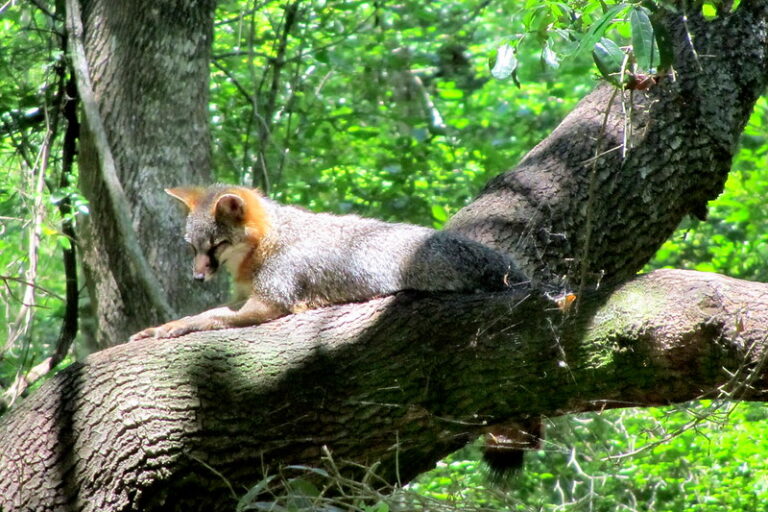
Unlike red foxes or coyotes, the gray fox has a unique lifestyle. These wild canines spend a lot of time in trees, using curved claws and flexible wrists to climb like a pro. In fact, their climbing ability rivals that of some primates. You might even mistake them for cats at first glance!
They use trees for almost everything: avoiding predators, storing food, raising pups, and even napping during the day. Studies show they specifically seek out tree-filled habitats to stay safe from their main predator, the coyote, which is responsible for nearly 90% of gray fox deaths.
In the world of wild canines, this makes the gray fox a complete outlier—and one of the most fascinating animals you’ve probably never heard of.
Ancient Roots and Cat-Like Features
The gray fox isn’t just quirky; it’s also ancient. Its family tree split from wolves, red foxes, and domestic dogs millions of years ago, making it one of the oldest surviving canine lineages in North America. That tree-climbing ability? Scientists believe it’s a primitive trait—something it inherited from its ancient ancestors, long before most modern canids became land-bound.
Physically, the gray fox is full of surprises:
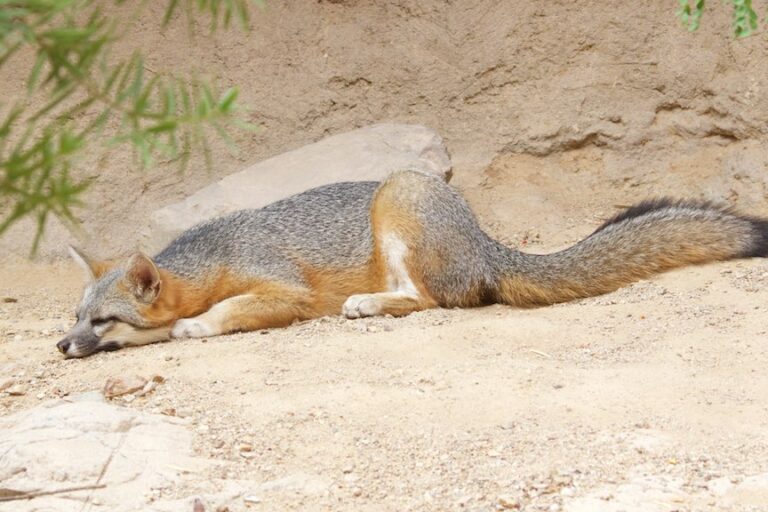
- Long, bushy tail (up to 30 cm) for balance while climbing
- Big ears for sharp hearing
- Large eyes for night vision
- Curved claws and rotating wrists that allow gripping branches
If it sounds like a cross between a monkey, a cat, and a dog—it kind of is.
Clever Survival Strategies
What makes gray foxes even more interesting is their behavioral intelligence. In a 2019 study, researchers found that gray foxes consistently preferred trees with multiple branches when they needed to escape or forage. It’s called risk-averse foraging—they’re smart enough to plan their getaway route before a threat even shows up.
They also store leftovers—mostly bones or meat scraps—on branches 6 to 10 meters high. This not only provides backup meals but also marks territory, letting others know a dominant fox is nearby.
What Do Gray Foxes Eat?
Gray foxes are opportunistic omnivores, meaning they eat just about anything depending on the season and location.
- Summer: juicy cactus fruits, berries, and other moisture-rich plants help them stay hydrated in dry deserts
- Fall & Winter: small mammals like rabbits, kangaroo rats, and squirrels make up the bulk of their diet
- Spring: they raid bird nests for eggs, chicks, or even sleeping adult birds
- Year-round: insects like beetles, crickets, and grasshoppers fill in the gaps
In some suburban areas, they’ve even been caught rummaging through garbage, adapting surprisingly well to human presence.
Foxes, But Not Those Foxes
Despite their name, gray foxes are not closely related to red foxes (Vulpes vulpes). Red foxes stick to the ground, while gray foxes escape to the trees. Many people confuse them due to their overlapping ranges and similar size, but their habits and biology are quite different.
While red foxes have spread globally, gray foxes remain native to the Americas—found from southern Canada all the way to Colombia. Their tree-loving lifestyle gives them an edge in dense forests and rugged desert canyons where other canids might struggle.
Arboreal Animals Around the World
If you’re in Southeast Asia, this climbing-dog behavior might remind you of the Asian palm civet or luwak, known for climbing trees to forage fruit or hunt birds. But here’s the twist: civets and gray foxes are not related at all. Their similarities are a classic example of convergent evolution—different species developing similar behaviors due to similar survival challenges.
Threats to the Gray Fox
Despite being listed as Least Concern globally, gray foxes are facing regional declines in parts of the U.S., especially the east and Midwest. The reasons include:
- Habitat fragmentation from roads and farms
- Disease outbreaks like rabies and distemper
- Competition with raccoons for tree dens
- Predation by coyotes, especially in areas with fewer trees
Losing large, old trees can be devastating, as it limits their ability to raise pups, store food, and stay safe from danger.
Why the Gray Fox Matters
Gray foxes aren’t just cool—they’re important. They help control rodent populations that can damage crops or spread disease. By eating fruits and dispersing seeds, they even support forest regeneration. In essence, they’re silent guardians of the ecosystem, playing roles we often overlook.
As their habitats continue to shrink, protecting the gray fox means protecting biodiversity and natural balance in our shared landscapes.
Final Thoughts
The gray fox is more than just a “weird wild dog.” It’s a master climber, an ancient survivor, a stealthy forager, and a symbol of evolutionary creativity. Whether you live in the deserts of Arizona or the forests of Mexico, there’s a chance this cat-like canine is quietly navigating the trees above you—watching, hunting, and surviving.
If you’re into fascinating wildlife, adaptive behavior, or just cool animal facts, the gray fox deserves a spot on your radar.
