



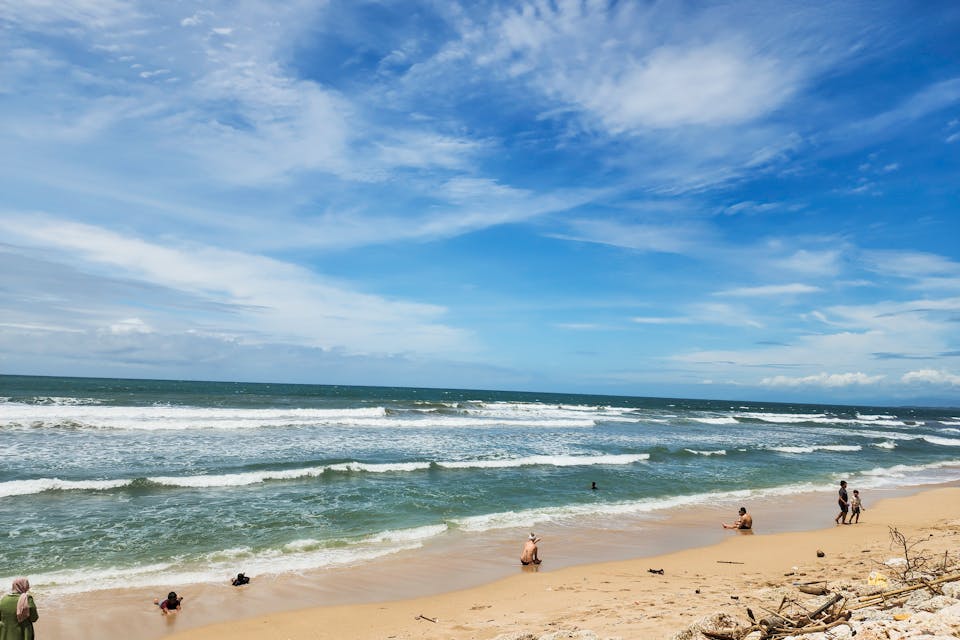
Indonesia isn’t just a tropical paradise with postcard-perfect beaches and lush jungles—it’s also one of the world’s top destinations for eco-tourism. With over 17,000 islands, the country offers more than just vacation vibes; it delivers a deeper, more meaningful experience for travelers who want to explore the world responsibly.
Whether you’re a backpacker trying to reduce your footprint, a diver passionate about marine conservation, or simply a traveler looking to reconnect with nature and local culture, Indonesia has something for every conscious explorer.
What is Eco-Tourism, and Why Does Indonesia Shine?
Eco-tourism is more than just traveling to nature-based destinations. It’s about sustainable travel that conserves the environment, respects local cultures, and supports local communities. In Indonesia, this concept aligns naturally with the country’s diverse ecosystems and ancient traditions that honor harmony between people and nature.
From its dense rainforests in Kalimantan to its vibrant coral reefs in Raja Ampat, Indonesia’s raw beauty comes with a responsibility to protect. And thankfully, more local communities and tour operators are embracing eco-conscious practices.
Top Eco-Tourism Destinations in Indonesia
1. Raja Ampat – Coral Heaven on Earth
Tucked away in West Papua, Raja Ampat is often hailed as the crown jewel of marine biodiversity. Home to over 75% of the world’s coral species, this place is a diver’s dream come true. But beyond its stunning underwater beauty, Raja Ampat sets a strong example of community-led conservation.
Local homestays here are often run by indigenous Papuan families who work closely with marine conservation groups. By choosing these accommodations, you’re not only getting an authentic cultural experience, but also directly supporting marine protection efforts.
2. Bali – Beyond the Touristy Trail
Yes, Bali is famous for its beach clubs and Instagrammable cafes—but it also has a quiet, green side. Head to areas like Sidemen, Pemuteran, or the mountainous village of Munduk, where rice paddies stretch for miles and sustainability is a way of life.
In Ubud, for instance, several eco-resorts use permaculture farming, water recycling systems, and plastic-free initiatives. You can take yoga classes in bamboo treehouses, participate in river cleanups, or volunteer at reforestation projects. Bali’s eco-tourism scene is growing fast, with conscious travel becoming more than just a trend.
3. Kalimantan – Journey into the Heart of Borneo
If you’re keen to meet orangutans in the wild, Kalimantan is your go-to. The Tanjung Puting National Park offers boat tours along the jungle rivers, where you can see these majestic creatures swinging through the trees.
Eco-lodges and river cruises here are often operated by locals who are trained in wildlife conservation. Many packages also include educational experiences about deforestation and habitat loss, giving you a better understanding of the challenges and what’s being done to overcome them.
4. Flores and Komodo – Dragons and Culture
Flores is an island of contrasts—volcanoes, hidden waterfalls, and traditional villages that remain untouched by mass tourism. A visit to Wae Rebo, a remote highland village, gives travelers the chance to live like the locals in cone-shaped houses while learning about their customs.
Further west lies Komodo National Park, where eco-tourism is tightly controlled to protect the habitat of the famous Komodo dragon. Some boat tours in the area now run on solar energy and avoid single-use plastics, making it easier for travelers to minimize their environmental impact.
5. North Sumatra – Lake Toba and Sustainable Community Tourism
Lake Toba, one of the largest volcanic lakes in the world, has been a popular destination for years. But recently, there’s been a shift towards sustainable tourism, especially in the small town of Tuk Tuk on Samosir Island.
Here, travelers can join in community-based experiences—learning traditional Batak dance, visiting organic farms, or staying in eco-homestays powered by solar panels. It’s a slower, more intentional kind of tourism that lets you experience culture while leaving a positive footprint.
How to Travel Sustainably in Indonesia
It’s not just where you go—it’s how you travel that matters. Here are a few easy-to-follow tips for being a conscious traveler in Indonesia:
1. Support Local Businesses
Stay at family-run homestays, eat at warungs (local restaurants), and buy crafts directly from artisans. Your spending goes a long way in empowering communities and reducing reliance on mass tourism chains.
2. Ditch the Plastic
Indonesia has a plastic waste problem, especially in tourist-heavy areas. Carry a reusable water bottle (many places offer refills), bring your own shopping bag, and say no to plastic straws.
3. Respect Local Culture and Traditions
Indonesia is incredibly diverse, and what’s acceptable in Bali might not be appropriate in Aceh. Dress modestly when visiting temples or remote villages, learn a few phrases in Bahasa Indonesia, and always ask before taking someone’s photo.
4. Choose Ethical Wildlife Experiences
Avoid attractions that exploit animals for entertainment, such as dolphin shows or photo ops with chained monkeys. Instead, seek out conservation-led tours that allow you to see wildlife in their natural habitat, like in Bukit Lawang or Way Kambas.
5. Offset Your Carbon Footprint
Flying across thousands of kilometers takes a toll on the planet. Consider offsetting your emissions by donating to local reforestation or mangrove planting initiatives in Indonesia.
Why Eco-Tourism is the Future for Indonesia
Mass tourism can harm the very beauty that attracts travelers in the first place. Indonesia is already feeling the pressure—from coral bleaching to overtourism in places like Bali. But eco-tourism offers a hopeful path forward.
By choosing to travel consciously, tourists become part of the solution. They help preserve endangered habitats, keep cultural heritage alive, and foster a tourism industry that benefits everyone, not just big corporations.
Communities are increasingly recognizing the power of eco-tourism. From Bali’s green warriors to the indigenous leaders of Papua, Indonesians are reclaiming tourism on their terms—terms that prioritize people and the planet.
Final Thoughts: A Journey with Purpose
Eco-tourism in Indonesia isn’t about sacrificing comfort or fun—it’s about elevating your travel experience. It’s knowing that your adventures are contributing to something greater: preserving ancient rainforests, protecting coral reefs, empowering locals, and respecting sacred traditions.
So the next time you’re planning a getaway, think beyond the usual. Choose to explore Indonesia not just as a tourist, but as a conscious traveler. The rewards—both personal and global—are more than worth it.
