



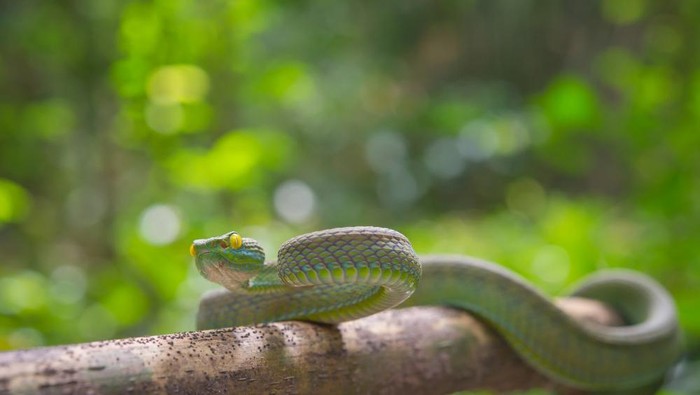
Did you know that certain smells lingering around your yard could be silently inviting snakes into your home? It sounds like a plot twist from a wildlife documentary, but it’s true. According to snake expert and founder of Pest Control Weekly, A.H. David, snakes are highly sensitive to their environment — not in the way we humans sniff around with our noses, but through something called chemoreception.
Instead of smelling through nostrils like we do, snakes rely on a special structure called Jacobson’s organ (also known as the vomeronasal organ). When a snake flicks its tongue, it’s actually collecting microscopic chemical particles from the air. These particles are then analyzed through this organ, helping snakes “read” chemical signals — or in simple terms, smell what’s going on around them.
So, what exactly are the smells that make your backyard feel like a five-star resort for snakes?
Let’s break them down.
1. The Scent of Rodent Droppings
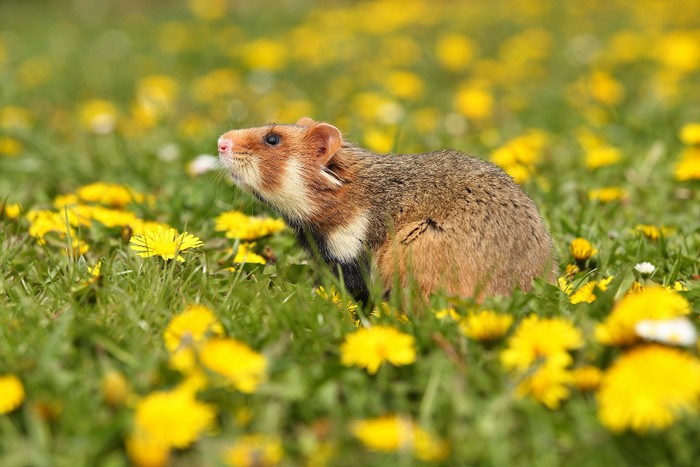
Rodents — like mice, rats, and hamsters — aren’t just pests to us. To many snake species, especially the larger ones like pythons, boas, and various rat snakes, they’re gourmet meals. But here’s the catch: even if there are no rodents in sight, the lingering scent of their droppings or urine can act like a glowing welcome sign for snakes.
A.H. David explains that snakes often follow scent trails left by their prey. If they pick up on the musky smell of a rodent colony, they’ll likely investigate. So if your backyard has a rodent problem, or even leftover droppings from a previous infestation, you might be unknowingly inviting snakes in.
What to do: Seal garbage bins tightly, clean up food scraps, and keep compost bins and pet food containers well-secured. No rodents = no rodent scent = fewer curious snakes.
2. Bird Droppings and Nests
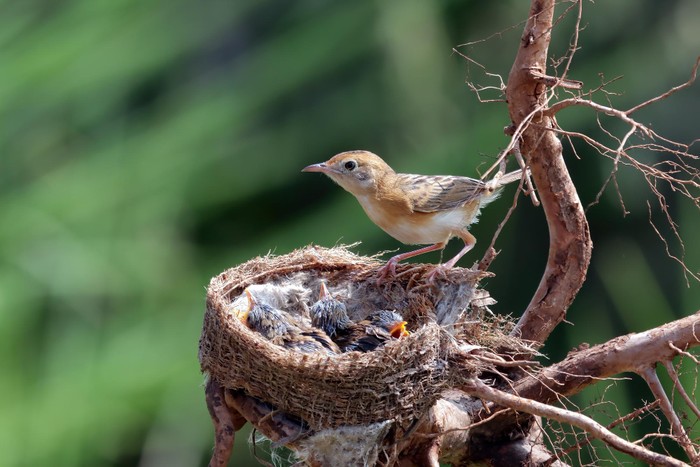
It’s not just rodents. Birds and their nests can be equally enticing.
“Snakes are ambush predators,” David explains. “They tend to linger in places where their prey is most likely to show up — and that includes areas with bird droppings or nests.”
Some snake species, like the rat snake, are notorious egg thieves, and the scent of bird droppings, feathers, or nesting materials can send out strong signals to a snake that food may be nearby.
And here’s something else that might surprise you: bird baths can be a magnet too. While they’re great for the birds, they’re also a source of water — and snakes, like all living creatures, need to stay hydrated and cool, especially in dry or hot weather.
What to do: Clean out old nests, relocate bird feeders away from the house, and if you use bird baths, keep them clean and placed in visible, open areas — not near dense shrubs where snakes might hide.
3. Amphibians and Fish
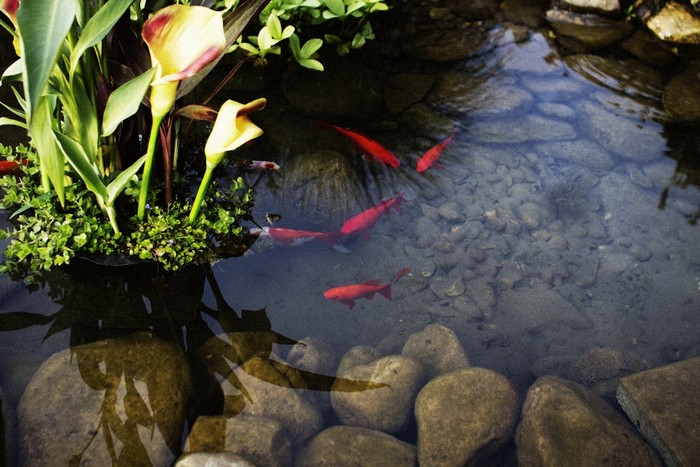
Got a pond or a water feature in your yard? If so, you could be inviting semi-aquatic snakes without even realizing it.
“For water snakes, garter snakes, and other aquatic or semi-aquatic species, the smell of amphibians like frogs and toads, as well as fish, is very appealing,” David says.
These creatures emit natural chemical signals — the kind that tell a hungry snake, “Dinner’s served!” Even the scent of stagnant water or decaying aquatic plants can potentially draw them in.
And yes, once again, water plays a role. Snakes are known to travel for water, especially during hot spells or dry seasons. A shady, moist pond area is basically snake heaven.
What to do: If you have a pond, make sure it’s well-maintained. Trim back thick vegetation, avoid letting water stagnate, and regularly clean up fallen leaves or debris. Keep it beautiful for you — and less appealing for reptiles.
4. Snake Pheromones
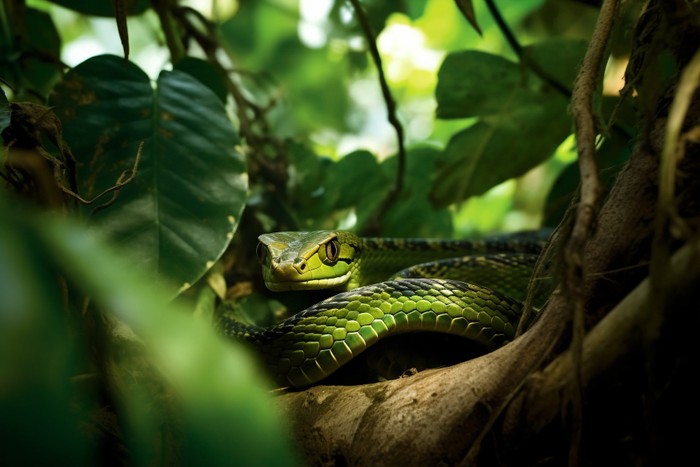
This might be the most unexpected one: snakes can smell other snakes.
Through the detection of pheromones — specialized chemicals released by animals of the same species — snakes can find each other. During mating season, male snakes may actively follow pheromone trails left by females. So if a snake has been in your yard recently, it may have left behind scent markers that will attract others.
This doesn’t mean snakes are gathering for a social club meeting, but it can explain why you might spot more than one snake in the same area within a short period.
What to do: If you’ve spotted a snake in your yard, it’s wise to thoroughly inspect your surroundings. Clear clutter, remove debris piles, and consider consulting a pest control expert — especially during the local mating season for snakes in your region.
So, Should You Panic?
No — but you should be aware.
Snakes aren’t out to get you. They’re simply responding to chemical cues in their environment — following the scent of food, water, and mating opportunities. The key is to minimize those cues around your home. Keep things clean, limit moisture buildup, and avoid conditions that attract rodents, birds, or amphibians.
If you’re in an area where snakes are common, a little awareness can go a long way in keeping your home and yard less snake-friendly.
Remember, they’re not evil — they’re just doing what nature designed them to do. But that doesn’t mean you have to roll out the welcome mat.
