



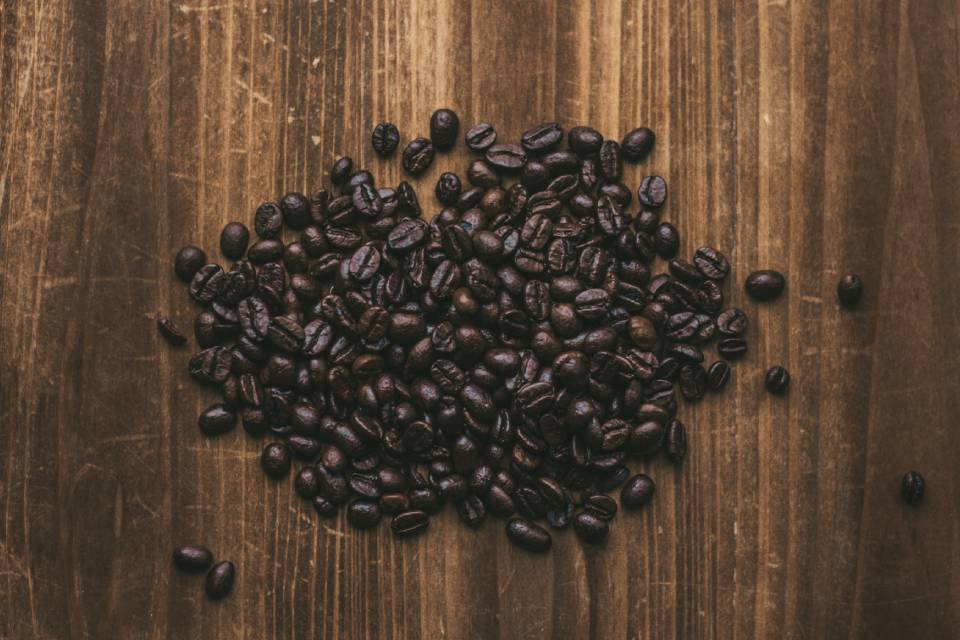
Indonesia is more than just a sprawling archipelago of over 17,000 islands—it’s also home to some of the world’s most unique and captivating coffees. From the misty slopes of Sumatra to the volcanic highlands of Java, Indonesian coffee carries centuries of history, culture, and biodiversity in every cup. If you’re a coffee lover seeking adventure beyond the usual beans, read on: this is your invitation to explore the rich tapestry of Indonesian coffee, crafted for an international audience hungry for something extraordinary.
The Roots of a Coffee Kingdom
Coffee arrived in Indonesia in the late 17th century, when Dutch colonialists first introduced Coffea arabica seedlings to Java’s fertile soil. What began as a colonial experiment soon took root—literally—and spread across the islands. Over time, local farmers perfected their own varietals, processing methods, and roasting traditions, creating distinct regional profiles that stand apart on the global stage.
Today, Indonesia ranks among the top coffee producers worldwide, and for good reason. The country’s geography offers an unmatched combination of high-altitude plantations, rich volcanic soils, and a tropical climate—perfect conditions for cultivating coffee plants that yield remarkably complex and layered beans.
Sumatra’s Mystical Brews: Earthy, Bold, and Seductive
Close your eyes and imagine a cup that’s thick and velvety, with rich earthy notes that linger on the palate. Welcome to Sumatran coffee, often celebrated for its unique wet-hulling (or “Giling Basah”) process. This traditional method leaves the beans with higher moisture content when they’re hulled, resulting in a heavier body, lower acidity, and deep herbal and tobacco-like undertones.
Regions like Mandheling and Lintong have become legendary. Mandheling, grown on the western slopes of Lake Toba, delivers flavors of dark chocolate, ripe berries, and a whisper of forest floor. Lintong, nearby, offers a brighter profile—think red currant sweetness balanced by earthy cedar. These coffees shine in espresso, pour-over, or even as a bold cold brew.
Java’s Signature: Smooth, Balanced, and Historic
When people talk about “Java,” they’re often referring to the coffee style that put Indonesia on the global map. Java’s history is intertwined with colonial trade routes, making it one of the earliest coffee-exporting regions. Today, high-altitude estates around Mount Ijen and the Pangerango Plateau produce beans known for their understated elegance.
Java coffee is prized for its medium body and low acidity, with flavor notes that evoke smooth caramel, roasted nuts, and a delicate spice. It’s the perfect everyday espresso—balanced enough for milk-based drinks, yet interesting enough to sip black. Beyond taste, every Java cup carries a narrative of maritime trade, cultural exchange, and centuries-old farming traditions.
Sulawesi and Flores: Island Gems with Exotic Aromas
Venture east, and you’ll find Sulawesi’s Toraja and Kalossi coffees—named after the highland regions where they’re grown. Toraja beans undergo a honey or natural process, producing a syrupy mouthfeel, crisp acidity, and flavors ranging from cherry and brown sugar to soft cocoa. The indigenous Torajan people, with their rich cultural heritage, add a spiritual dimension to every harvest and ceremony.
Further south, the island of Flores surprises with its “Bajawa” and “Manggarai” beans. Grown amid lush tropical forests, these coffees carry citrus brightness, floral aromatics, and a subtle herbaceous quality. Many smallholder cooperatives on Flores have embraced organic and fair-trade practices, ensuring that each delicious sip also supports local communities and environmental stewardship.
Specialty and Sustainability: The New Wave
In recent years, Indonesia’s specialty coffee scene has exploded. Young roasters and urban cafés in Jakarta, Bali, and Bandung are spotlighting micro-lots, experimenting with anaerobic fermentations, and forging direct trade relationships with farmers. They’re not just chasing flavor—they’re committed to sustainability.
Programs that support regenerative agriculture, reforestation, and fair compensation for farmers are becoming the norm. In regions like Aceh and Bali’s Kintamani, eco-tourism blended with coffee education invites visitors to taste beans straight from the orchard and learn about shade-grown techniques that preserve biodiversity.
Brewing Indonesian Coffee at Home
You don’t need to book a flight to experience Indonesian coffee—many roasters around the world import these beans, and online marketplaces make them accessible to anyone. To get the most out of your beans:
- Grind fresh just before brewing to capture the full spectrum of aromas.
- Experiment with water temperature: Sumatran coffees often shine at slightly cooler temps (90–93 °C), while Javas can handle the full 96–98 °C.
- Try different methods: A French press highlights the body of Sumatran beans, whereas a V60 pour-over accentuates the clean sweetness of Flores coffee.
Pair your cup with dark chocolate, tropical fruit, or even a spicy snack like sambal—Indonesian coffee is versatile and invites you to play with flavors.
Beyond the Cup: Cultural and Economic Impact
Coffee is more than a commodity in Indonesia. It’s woven into the social and economic fabric of rural life. Millions of smallholder farmers depend on coffee for their livelihood, and family-run gardens often pass down generational knowledge about cultivation and processing.
By choosing specialty or single-origin Indonesian coffees, international consumers can directly support these communities. Many producer groups are now transparent about their pricing structures and use certifications like Rainforest Alliance or direct trade marks to guarantee quality and fairness.
Embracing the Indonesian Coffee Adventure
From the dense jungles of Sumatra to the volcanic slopes of Java and the hidden valleys of Flores, Indonesian coffee offers a world of discovery for the curious drinker. Each cup is a snapshot of local terroir, climate, and culture—an invitation to explore landscapes you’ve never seen and traditions you’ve never experienced.
So next time you’re discussing your favorite beans or hunting for a new coffee obsession, remember Indonesia. It’s a treasure trove of flavors waiting to surprise and delight. Whether you crave the bold intensity of a Mandheling brew or the mellow elegance of a Java estate espresso, Indonesian coffee promises an unforgettable journey—one sip at a time.
