


Close Menu
Saibumi | Uncovering Asia, One Story at a Time
    What's Hot

    Indonesia’s National Nutrition Agency Leadership Change Draws International Attention

    June 3, 2026

    Indonesia’s Biodiesel Shift: B50 Plan Put on Hold, Raising Questions for Global Palm Oil Markets

    January 14, 2026

    Elephants Help Clear Wooden Debris After Aceh Disaster

    December 27, 2025
    Facebook X (Twitter) Instagram
    Saibumi | Uncovering Asia, One Story at a TimeSaibumi | Uncovering Asia, One Story at a Time
    • About Us
    • Contact Us
    • Advertise
    Facebook X (Twitter) Instagram YouTube LinkedIn Reddit
    • Home
    • Stories

      The Global Plastic Treaty Fails Again – What Does It Mean for the Planet?

      August 27, 2025

      Puru Kambera Savanna: Tracing the Wild Horses of East Sumba

      August 25, 2025

      West Sumatra Emerges as a Leading Muslim-Friendly Travel Destination

      August 24, 2025

      Tabola Bale Song: The Viral Music Blend From Eastern Indonesia

      August 20, 2025

      Tanjung Karang Beach: An Underwater Paradise in Donggala

      August 20, 2025
    • Travel

      Know the Types of Snakes in the Wild & What to Do If You Get Bitten

      December 27, 2025

      Thailand Named the Best Food Country in the World 2025 — Beating Italy and Japan

      October 14, 2025

      Dieng Plateau Officially Designated as Indonesia’s Newest National Geopark

      September 29, 2025

      The Culture of Souvenirs: How Indonesians Strengthen Workplace Relationships Through Oleh-oleh

      September 29, 2025

      6 Best Coffee Shops in Asia – And Yes, One of Them Is in Indonesia!

      September 28, 2025
    • Culture
    • Lifestyle
      1. Food & Culture
      2. Green Living
      3. Local Life
      4. Modern Living
      5. People & Inspiration
      6. View All

      Gen Z in Indonesia and the Global “Escape Culture”: Why Many Are Saying #KaburAjaDulu

      October 20, 2025

      The Export of Indonesian Specialty Products: How Local Ingredients Are Becoming Global Brands

      October 20, 2025

      From Training to Takeoff: MKP’s Approach to Responsible Worker Preparation

      October 18, 2025

      Thailand Named the Best Food Country in the World 2025 — Beating Italy and Japan

      October 14, 2025

      List of Plants That Attract and Repel Snakes Around the House

      October 20, 2025

      Bird-Friendly Coffee in Lampung: Wild Birds Help Farmers Control Pests Naturally

      September 23, 2025

      Standing Still Like a Stick: How Tree Snakes Outsmart Predators with Vertical Sleep

      July 17, 2025

      Not a Cat, Not a Snake — Meet the Plant That Can Eat Rats

      July 12, 2025

      #KaburAjaDulu: When Young Indonesians Feel Like Escaping Is the Only Way to Survive

      October 9, 2025

      The Culture of Souvenirs: How Indonesians Strengthen Workplace Relationships Through Oleh-oleh

      September 29, 2025

      How Remote Work and Digitalization Are Transforming Indonesian Work Culture

      September 28, 2025

      Staying Healthy in Unpredictable Weather: Indonesian Habits the World Can Learn From

      September 21, 2025

      Gen Z in Indonesia and the Global “Escape Culture”: Why Many Are Saying #KaburAjaDulu

      October 20, 2025

      Indonesia’s Beauty Industry Is Having a Major Glow-Up

      July 1, 2025

      Why Indonesian Coffee Is the Next Big Thing Among Global Freelancers

      June 30, 2025

      The Culture of Souvenirs: How Indonesians Strengthen Workplace Relationships Through Oleh-oleh

      September 29, 2025

      The Indonesian Work Culture: Harmony and Gotong Royong in Action

      September 16, 2025

      Southeast Asian Solidarity: Citizens Rally Behind Indonesian Protesters Amid Police Violence

      September 6, 2025

      What Germans Can Learn from the Philosophy of Gotong Royong

      July 16, 2025

      Gen Z in Indonesia and the Global “Escape Culture”: Why Many Are Saying #KaburAjaDulu

      October 20, 2025

      #KaburAjaDulu: When Young Indonesians Feel Like Escaping Is the Only Way to Survive

      October 9, 2025

      The Indonesian Work Ethic: Why Global Teams Trust Indonesian Professionals

      October 2, 2025

      Why Indonesian Talents Are the Best Choice for Global Companies

      October 2, 2025
    • Local Business
    Subscribe
    Saibumi | Uncovering Asia, One Story at a Time
    Home » Paradise in Peril: How Nickel Mining Threatens the Beauty of Raja Ampat
    Don't Miss

    Paradise in Peril: How Nickel Mining Threatens the Beauty of Raja Ampat

    Editor DeskBy Editor DeskJune 30, 2025Updated:June 30, 2025No Comments5 Mins Read
    Facebook Twitter Pinterest LinkedIn Tumblr Email
    Share
    Facebook Twitter LinkedIn Pinterest Email Copy Link

    Raja Ampat. Just the name evokes images of turquoise waters, untouched coral gardens, and the kind of remote tropical bliss most people only dream about. Located off the northwest tip of Papua, Indonesia, this archipelago of over 1,500 islands has become a global icon for eco-tourism, marine biodiversity, and raw natural wonder.

    But beneath the surface — quite literally — something is threatening to unravel this paradise: nickel mining.

    While travelers flock to Raja Ampat for its jaw-dropping beauty, the looming shadow of mining activity is growing, casting doubt on the region’s future as a sustainable tourism haven.

    Let’s talk about it.


    The Stunning Reality of Raja Ampat
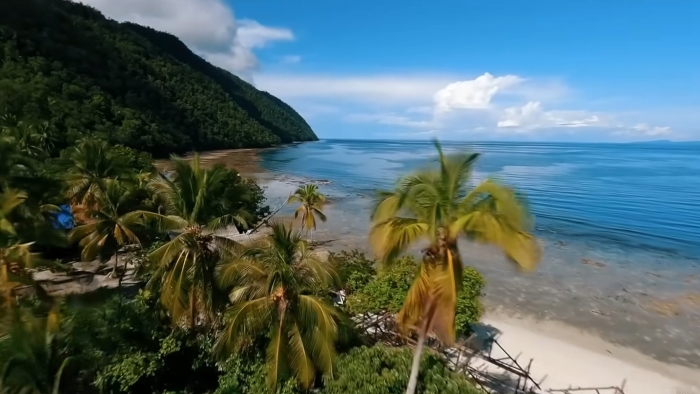
    If there’s a place on Earth where nature went all-out, it’s here.

    Raja Ampat isn’t just a beautiful place — it’s the most biodiverse marine region on the planet. Scientists estimate that over 75% of the world’s coral species and more than 1,500 species of reef fish can be found in these waters. That includes vibrant coral reefs, schools of colorful fish, graceful manta rays, and even the elusive dugong.

    It’s not an exaggeration to call it the “Amazon of the seas.”

    Above water, the landscape is just as breathtaking — white-sand beaches, limestone cliffs, lush jungles filled with rare birds like the iconic bird-of-paradise. The culture? Equally rich. Indigenous communities have lived here in harmony with nature for generations, preserving customs, dances, and foods unique to this part of the world.

    SEE ALSO  The Culture of Souvenirs: How Indonesians Strengthen Workplace Relationships Through Oleh-oleh

    But harmony doesn’t always last forever.


    What’s Nickel Got to Do With It?
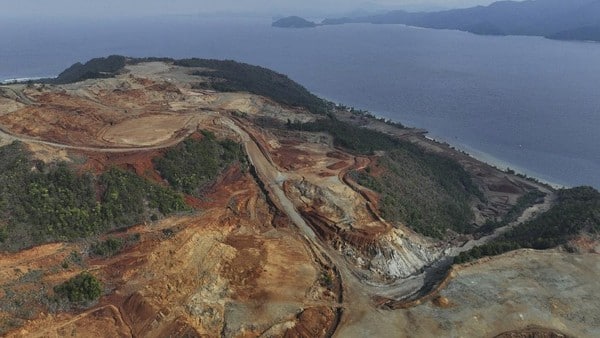
    Foto eksploitasi perusahaan pertambangan nikel di Raja Ampat. -Jubi/Dokumentasi pribadi DAP Wilayah lll Domberai

    Here’s the twist: Nickel — a metal critical for electric vehicle (EV) batteries — is in high demand as the world moves toward clean energy.

    Ironically, the push for a greener planet is putting one of the planet’s greenest places at risk.

    Indonesia holds one of the world’s largest nickel reserves, and recent industrial ambitions have led to rapid expansion of nickel mining operations — even in ecologically sensitive areas like Raja Ampat. Though the bulk of mining is currently concentrated in other parts of Papua and Sulawesi, exploration and expansion toward Raja Ampat’s fragile zones is growing.

    The result? Land degradation. Deforestation. Polluted waterways. And the ever-present threat of sedimentation and heavy metals leaking into the very coral systems that make Raja Ampat globally unique.


    The Cost of Progress

    Let’s be clear — mining brings economic opportunities. Jobs, infrastructure, and investment.

    But what’s the price?

    For Raja Ampat, the costs could be irreversible. Coral reefs are extremely sensitive. A slight shift in water temperature or clarity, a bit of sediment, or chemical runoff — that’s all it takes to bleach, kill, or choke life underwater.

    SEE ALSO  How Remote Work and Digitalization Are Transforming Indonesian Work Culture

    And it’s already happened in parts of eastern Indonesia.

    Communities that once depended on clean seas for fishing and tourism now report muddy coastlines, poisoned fish stocks, and collapsing eco-tourism economies.

    Is this what we want for Raja Ampat?


    Why This Matters Globally

    If you’re reading this from your freelance desk in Austin or a café in Brooklyn, you might wonder:
    “What does nickel mining in Papua have to do with me?”

    Everything.

    Raja Ampat is more than just a remote island chain — it’s a global climate asset. Its coral reefs act as carbon sinks. Its biodiversity holds keys to scientific discoveries. Its culture represents the kind of balance we should all be striving for.

    Losing Raja Ampat wouldn’t just hurt Indonesia — it would be a loss for the entire planet.


    Tourism vs. Extraction: The Fork in the Road
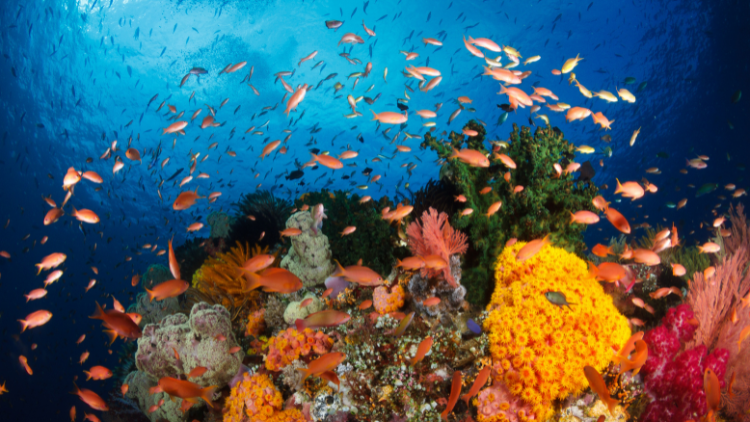
    It’s 2025. The world stands at a crossroads.

    Do we support local economies through sustainable tourism — diving, snorkeling, birdwatching, cultural immersion — or do we dig up the land for short-term industrial gains?

    Raja Ampat has shown that eco-tourism works. The region has generated millions in sustainable revenue, supported local entrepreneurs, and attracted international travelers willing to pay a premium for untouched nature. It’s not perfect, but it’s a model worth investing in.

    SEE ALSO  Indonesian Batik: A UNESCO Treasure Woven with History

    Mining, on the other hand, is extractive by definition. Once the nickel is gone, the landscape doesn’t bounce back. The jobs disappear. The beauty vanishes.


    What Can Be Done?

    • Stronger environmental laws and enforcement. No mining in ecologically protected zones. Period.
    • Responsible tourism. Visitors must travel consciously — respect local customs, avoid single-use plastics, and support local guides and accommodations.
    • Support indigenous voices. They know the land best. Their perspective matters.
    • Global pressure. The international community — especially EV companies — must demand ethical, sustainable sourcing of raw materials.

    Raja Ampat is not just a travel destination. It’s a living, breathing sanctuary of life. We cannot let it be sacrificed in the name of “green” progress.


    The Final Thought

    If you’ve ever dreamed of visiting Raja Ampat, go. Witness it. Snorkel its shallow reefs. Watch the sunset paint the limestone cliffs. Learn from the people who have protected it for generations.

    But also — speak up.

    Share its story. Call out harmful practices. Advocate for long-term protection.

    Because once a paradise is lost, no amount of nickel can buy it back.

    environmental threats Raja Ampat Indonesia coral reef Indonesia eco-tourism nickel vs coral reef Papua mining impact Raja Ampat nickel mining Raja Ampat tourism sustainable travel Indonesia
    Share. Facebook Twitter Pinterest LinkedIn Tumblr Email
    Previous Article6 Best Places to See Dolphins in Indonesia – You Can Even Swim With Them!
    Next Article Nasi Uduk vs Nasi Lemak: A Flavorful Face-Off You Need to Taste
    Editor Desk
    • Website

    Related Posts

    Economy

    Indonesia’s National Nutrition Agency Leadership Change Draws International Attention

    By Editor DeskJune 3, 2026
    Don't Miss

    Indonesia’s Biodiesel Shift: B50 Plan Put on Hold, Raising Questions for Global Palm Oil Markets

    By Editor DeskJanuary 14, 2026
    Disaster & Environment

    Elephants Help Clear Wooden Debris After Aceh Disaster

    By Editor DeskDecember 27, 2025
    Don't Miss

    Know the Types of Snakes in the Wild & What to Do If You Get Bitten

    By Editor DeskDecember 27, 2025
    Digital Life

    Gen Z in Indonesia and the Global “Escape Culture”: Why Many Are Saying #KaburAjaDulu

    By Editor DeskOctober 20, 2025
    Agriculture

    The Export of Indonesian Specialty Products: How Local Ingredients Are Becoming Global Brands

    By Editor DeskOctober 20, 2025
    Add A Comment
    Leave A Reply Cancel Reply

    Don't Miss

    Indonesia’s National Nutrition Agency Leadership Change Draws International Attention

    By Editor DeskJune 3, 2026

    Indonesia has attracted international attention following a recent leadership change at the National Nutrition Agency,…

    Indonesia’s Biodiesel Shift: B50 Plan Put on Hold, Raising Questions for Global Palm Oil Markets

    January 14, 2026

    Elephants Help Clear Wooden Debris After Aceh Disaster

    December 27, 2025

    Know the Types of Snakes in the Wild & What to Do If You Get Bitten

    December 27, 2025
    Top Posts

    Indonesia’s National Nutrition Agency Leadership Change Draws International Attention

    June 3, 2026

    Experience the Charm of Labuan Bajo’s Pinisi Boat Right Here in Lampung: Discover the Legendary Maritime Heritage of Indonesia

    June 30, 2025

    Must-Know: 5 Traditional Dances from Lampung You’ll Often Encounter

    June 30, 2025

    What to Do When You See a Snake: A Practical Guide for Everyday Life in Sumatra

    June 30, 2025
    Stay In Touch
    • Facebook
    • Twitter
    • Instagram
    • YouTube
    About Us
    About Us

    Saibumi International brings authentic stories, cultural depth, and off-the-radar destinations from Indonesia and the wider Asian region — crafted for readers who want more than surface-level travel and headlines.

    Facebook X (Twitter) YouTube Reddit
    Our Picks

    Indonesia’s National Nutrition Agency Leadership Change Draws International Attention

    June 3, 2026

    Indonesia’s Biodiesel Shift: B50 Plan Put on Hold, Raising Questions for Global Palm Oil Markets

    January 14, 2026

    Elephants Help Clear Wooden Debris After Aceh Disaster

    December 27, 2025
    Most Popular

    Indonesia’s National Nutrition Agency Leadership Change Draws International Attention

    June 3, 2026

    Experience the Charm of Labuan Bajo’s Pinisi Boat Right Here in Lampung: Discover the Legendary Maritime Heritage of Indonesia

    June 30, 2025

    Must-Know: 5 Traditional Dances from Lampung You’ll Often Encounter

    June 30, 2025
    • Home
    • About Us
    • Advertise
    • Contact Us
    © 2026 Saibumi International. SEO & Web by Dkonten Studio

    Type above and press Enter to search. Press Esc to cancel.