



When people talk about natural resources from tropical countries, coconut is often one of the first things that comes to mind. While most people think about coconut water or coconut oil, there’s another part of the fruit that has been gaining massive attention in international trade: coconut fiber, also known as coir. This fibrous material comes from the outer husk of the coconut and has become one of the most versatile, eco-friendly, and in-demand raw materials in global markets.
In this article, we’ll explore what affects the coconut fiber export price, how it’s produced, the standards for export, and the business opportunities that make it such an attractive commodity for exporters around the world.
What Exactly Is Coconut Fiber?
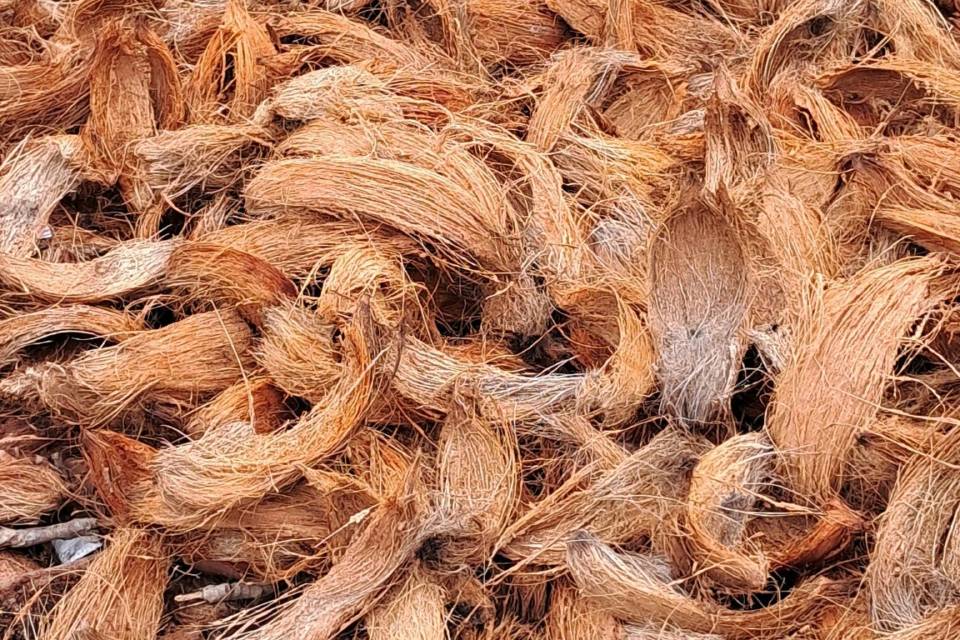
Coconut fiber, or coir, is the natural fiber extracted from the husk of coconuts. Unlike synthetic fibers, it is fully biodegradable, renewable, and strong enough to be used in a wide range of industries. It has a golden-brown color, rough texture, and is known for being resistant to saltwater and microbial damage.
This material is widely used in products like doormats, mattresses, ropes, brushes, and carpets. More recently, it has also gained attention in agriculture as a sustainable growing medium. Because of its durability and eco-friendly properties, coconut fiber has carved out a place in industries looking for sustainable alternatives to synthetic fibers.
Factors That Influence Coconut Fiber Export Prices
The price of coconut fiber in international markets isn’t fixed. Like many commodities, it fluctuates depending on various factors that exporters and buyers must carefully evaluate.
1. Quality and Durability of the Fiber
Quality is the single most important factor in determining the export price of coconut fiber. Buyers look for fibers that are strong, flexible, and resistant to decay. The length of the fiber also plays a role; longer, cleaner fibers are usually more expensive because they can be used in higher-end applications like upholstery or high-quality mats.
Fibers that are resistant to fungus, moisture, and weathering command higher prices since they are more reliable for industries that need long-lasting materials. In short, the cleaner, stronger, and more durable the fiber, the higher its export value.
2. Production Process and Costs
Producing coconut fiber involves multiple steps: separating the husk, extracting the fiber, cleaning it, and drying it. Each step requires labor, machinery, and time. The efficiency of this process directly affects the final cost of the product.
For instance, traditional manual processing tends to be more labor-intensive, which can increase costs. On the other hand, modern machinery can speed up production and reduce expenses, allowing exporters to offer competitive prices. Labor costs, energy prices, and raw coconut availability all contribute to the final export price.
3. Global Market Demand
Global demand for coconut fiber has been steadily increasing. Countries like India, the Philippines, Indonesia, and Sri Lanka dominate production, but the demand from importing countries is what really drives price fluctuations.
The biggest buyers include the United States, Japan, and European countries that use coconut fiber in textiles, agriculture, and household products. When demand rises due to industry trends—like the shift toward eco-friendly materials—export prices climb as well. Conversely, oversupply can lead to a dip in prices.
4. Exchange Rates and Shipping Costs
International trade is also influenced by currency fluctuations and logistics. A weaker local currency might make exports cheaper for foreign buyers, increasing competitiveness. At the same time, high shipping costs, especially for bulky raw materials like fiber, can eat into profits. Exporters must carefully balance pricing strategies with logistics efficiency.
How Coconut Fiber Is Produced
The journey of coconut fiber from the husk to an export-ready product involves several stages, blending traditional methods with modern technology.
Selecting and Processing the Husk
The process starts with mature coconuts, which are harvested and husked. The fibrous husk is separated from the inner shell and then soaked or mechanically processed to loosen the fibers.
Cleaning and Drying
Once extracted, the fibers are washed to remove dirt, dust, and residual pith. After cleaning, the fibers are dried—either under the sun or with industrial dryers—to reduce moisture content. Proper drying is crucial because high moisture levels can cause mold growth during storage or shipping.
Sorting and Packing
After drying, fibers are sorted according to quality, length, and cleanliness. They are then bundled or baled into large export-ready packages. At this point, the fibers are tested for international quality standards before being shipped abroad.
Technology in Coconut Fiber Production
The rise of technology has made coconut fiber production faster and more efficient. Modern fiber extraction machines can process husks in bulk, separating the fibers neatly and minimizing waste. Mechanical dryers ensure consistent moisture levels, which improves the shelf life of the product.
For exporters, investing in technology not only reduces production costs but also enhances product quality. High-quality, machine-processed coconut fiber meets the stringent standards of international buyers, making it easier to compete in global markets.
Export Standards and Certifications
Like many agricultural products, coconut fiber must meet certain international standards before it can enter foreign markets. These standards typically cover aspects such as:
- Fiber length and strength: Longer and stronger fibers are often required for textiles and upholstery.
- Moisture content: To prevent mold, the fiber should be dried to less than 15% moisture.
- Cleanliness: Buyers often prefer fibers that are free from dirt, dust, or contaminants.
In addition, exporters often need certifications proving that their products are environmentally sustainable and comply with import regulations. Certification bodies and trade organizations provide quality assurance that increases trust among buyers.
Business Opportunities in Coconut Fiber Export
The coconut fiber industry is booming thanks to the world’s growing interest in sustainable products. Let’s break down some of the key opportunities that exporters can tap into.
Expanding Demand in Agriculture
One of the fastest-growing applications for coconut fiber is in agriculture. Coconut coir is increasingly used as a substitute for peat moss in hydroponics and as a growing medium. Its ability to retain water while still allowing for aeration makes it perfect for modern farming systems.
As more countries adopt sustainable farming techniques, demand for coir-based growing media continues to rise, opening up new opportunities for exporters.
Growing Eco-Friendly Product Market
With rising awareness about climate change, consumers and companies are actively seeking biodegradable and renewable materials. Coconut fiber ticks all the boxes—it’s natural, renewable, and compostable.
Industries ranging from textiles to construction are adopting coconut fiber as a sustainable alternative. This trend creates long-term growth potential for exporters who can position themselves as suppliers of eco-friendly raw materials.
Major Importing Countries and Regions
The United States and Europe are currently the largest markets for coconut fiber due to their demand for textiles, agriculture, and eco-friendly consumer products. Japan is also a key buyer, with applications ranging from industrial filters to household products.
In recent years, Middle Eastern countries have started importing more coconut fiber for agriculture and landscaping purposes. This diversification of buyers ensures that exporters have multiple markets to tap into.
Current Export Prices for Coconut Fiber
Prices for coconut fiber vary depending on quality, moisture content, fiber length, and whether it is brown or white coir. By early 2025, Indonesian export prices were in the range of US$145–150 per ton, recovering from the 2024 average of US$110–140 per ton. Premium-grade fiber—particularly low-moisture white coir—can fetch up to US$210 per ton in certain export destinations. This steady upward trend reflects rising global demand, with industries such as automotive, agriculture, furniture, and eco-friendly packaging increasingly adopting coconut fiber as a sustainable material.
Looking ahead, experts expect prices to remain resilient, supported by the growing shift toward biodegradable products and stronger demand for natural fibers across multiple sectors.
Challenges in Coconut Fiber Export
While the opportunities are huge, the coconut fiber export business also comes with challenges. Maintaining consistent quality across large volumes can be difficult, especially for small producers. Logistics and transportation costs are another hurdle, given the bulkiness of the material.
Moreover, international competition from countries like India and Sri Lanka means exporters must differentiate themselves through quality, pricing, or certifications. Overcoming these challenges requires strong planning, modern technology, and a deep understanding of market dynamics.
Why Coconut Fiber Is a Smart Export Choice
For entrepreneurs and businesses looking into the export market, coconut fiber represents a smart investment. It’s renewable, sustainable, and in demand across multiple industries. Unlike some agricultural exports that rely heavily on seasonal cycles, coconut trees provide a relatively steady supply of raw material year-round.
Exporters who can establish reliable supply chains, maintain high quality, and meet international standards stand to benefit from long-term profits.
The coconut fiber export market offers a unique combination of environmental sustainability and profitable business opportunities. With global demand rising in industries like agriculture, textiles, and eco-friendly consumer goods, the future of this commodity looks promising.
Understanding the factors that affect pricing—such as quality, production costs, global demand, and logistics—can help exporters make smarter decisions. By embracing modern technology, maintaining strict quality standards, and targeting the right markets, businesses can position themselves for long-term success.
In the end, coconut fiber isn’t just a byproduct of coconuts—it’s a growing symbol of how natural, renewable resources can drive global trade while supporting sustainable industries.
