



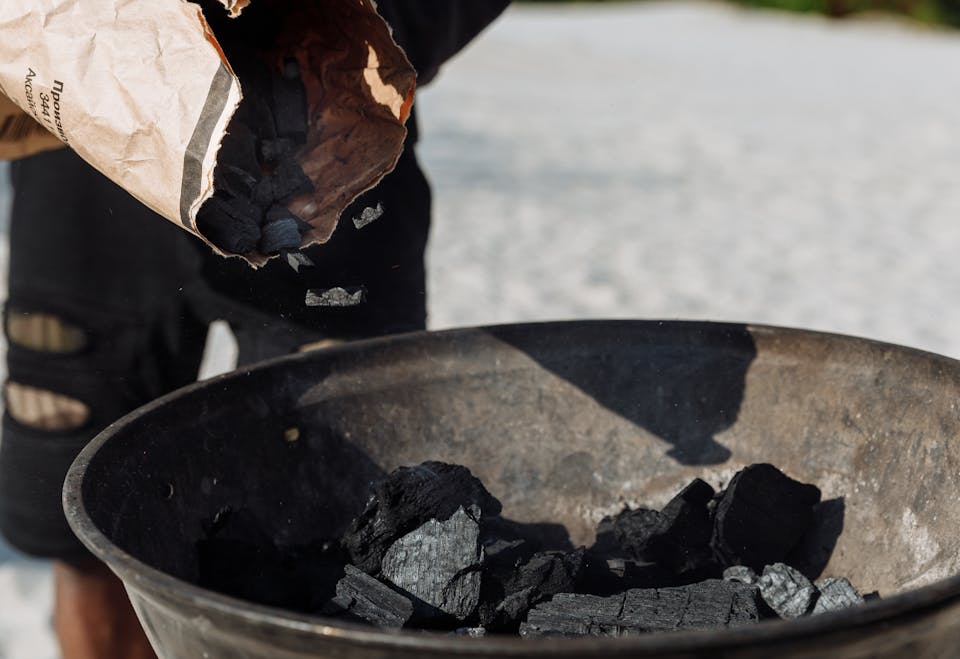
Can coconut shells and sawdust really become profitable global export commodities?
In today’s eco-conscious world, the answer is a resounding yes.
Charcoal briquettes, often underestimated as basic fuel, are now in the spotlight as one of the most promising green export products. With a growing international demand for sustainable energy sources, briquettes made from coconut shells, sawdust, or rice husks are heating up the global market—and they’re putting Asia on the map as a key supplier.
What Are Charcoal Briquettes?
Charcoal briquettes are compressed blocks of carbonized biomass—usually made from coconut shell, sawdust, or agricultural waste. They’re used for:
- Barbecue (BBQ) cooking
- Shisha (hookah)
- Industrial fuel
- Even cosmetics and wellness (activated charcoal)
What sets them apart? They’re clean-burning, long-lasting, and eco-friendly.
Why Asia Is Poised to Lead the Global Briquette Market
Many Asian countries are rich in the raw materials needed to produce charcoal briquettes:
- Coconut Shells – Found abundantly in tropical nations across Southeast and South Asia.
- Sawdust & Wood Waste – Available from furniture and timber industries in countries like Indonesia, Vietnam, India, and the Philippines.
- Rice Husks – Byproducts from rice farming in nations such as Thailand, Bangladesh, and Myanmar.
These materials are often discarded as waste. But with proper carbonization and compression technology, they can be turned into high-value exports that support the circular economy and promote green entrepreneurship.
Global Demand for Charcoal Briquettes Is Growing
Here’s why international buyers are turning to charcoal briquettes from Asia:
Europe
Germany, the Netherlands, and the UK use briquettes for both household and commercial BBQs. Coconut shell briquettes are especially popular due to their high heat and low smoke.
Middle East
Countries like Saudi Arabia and the UAE rely on briquettes for shisha lounges and outdoor grilling. The demand is for low-ash, odorless charcoal that burns slowly.
United States & Australia
BBQ is big in these regions. Sustainable and certified briquettes from Asia offer an attractive alternative to traditional coal-based products.
South Korea & Japan
These markets go beyond BBQ—charcoal is used in skincare, deodorants, and even air purifiers.
How Small Businesses Can Tap Into the Briquette Export Opportunity
1. Ensure International Quality Standards
Certifications like FSC (Forest Stewardship Council) and compliance with EU Timber Regulation help build trust and open doors.
2. Use Professional Packaging
Clean, branded packaging with clear labels and export details will appeal more to global buyers.
3. Leverage B2B Platforms
Start with platforms like:
- Alibaba
- Amazon Business
- TradeIndia
- ExportHub
These connect you directly to verified global importers.
4. Collaborate with Export Partners
Don’t go it alone. Partnering with exporters simplifies logistics, compliance, and payments.
Real Success Story: From Local Waste to Global Orders
In one inspiring case, a small entrepreneur began producing briquettes from coconut shells using basic tools. After showcasing his products at a trade fair, he gained interest from buyers in Europe and the Middle East. Today, he exports 20 tons per month—proving that with persistence, even a “waste” product can turn into a sustainable global business.
A Burning Opportunity Worth Grabbing
Charcoal briquettes are more than fuel—they’re proof that sustainability and profitability can go hand in hand. For countries across Asia, this is a chance to transform waste into wealth, support local industries, and position themselves in the growing global market for eco-friendly products.
So whether you’re an SME, a startup, or a government agency promoting green exports—don’t overlook the potential of what lies in your backyard. With the right strategy, charcoal briquettes could be Asia’s next big export win.
