



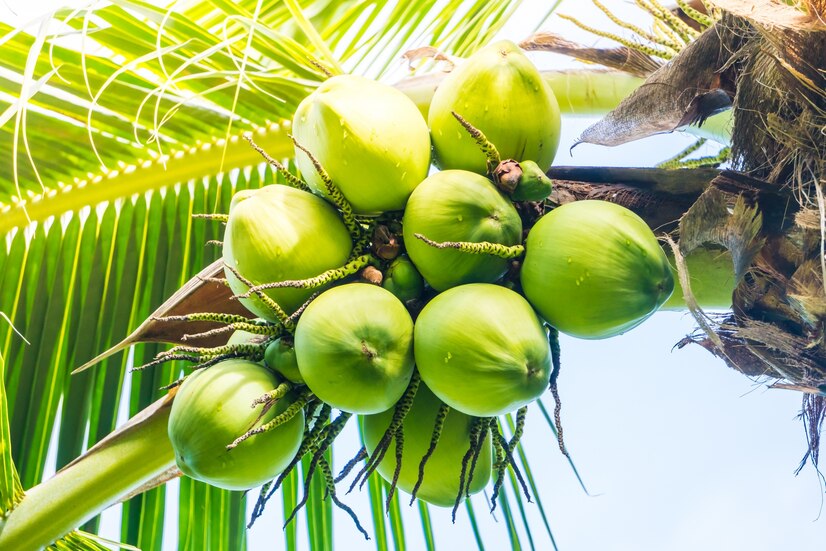
When people think of Indonesia, many picture beautiful beaches, warm hospitality, and tropical fruits—especially coconuts. But there’s more to this humble fruit than meets the eye. Did you know Indonesia is the world’s largest coconut producer, yet lags behind when it comes to coconut exports?
Let’s explore why this underdog product deserves more global attention—and how it could be a game-changer for sustainable trade and small business growth.
Why Coconut? More Than Just a Tropical Icon
Coconut plantations cover over 26% of Indonesia’s agricultural estate—more than palm oil or rubber. With an annual production of 18.3 million tons, Indonesia outpaces competitors like the Philippines and India. Yet surprisingly, much of this production stays local.
What makes coconut stand out in the global market?
Because nearly every part of the coconut tree can be turned into something valuable:
- Coconut Water: Refreshing drink, or processed into nata de coco, vinegar, and sauces.
- Coconut Meat: Turned into desiccated coconut, coconut milk, virgin coconut oil (VCO), or copra (used for coconut oil, soap, and cosmetics).
- Coconut Shells: Traditionally used as ladles or bowls, now transformed into charcoal, activated carbon, or even mosquito repellent.
- Coconut Husks (Coir): Used for rope, doormats, car seats, and insulation.
- Leaves and Stems: Used in handicrafts, roofing, and furniture.
- Sap (Nira): Processed into coconut sugar, a low-glycemic alternative perfect for health-conscious consumers.
With the rising global demand for sustainable, organic, and health-friendly products, coconut ticks all the right boxes.
What Coconut Products Have Export Potential?
Let’s break down Indonesia’s top coconut exports by value and opportunity:
✅ Desiccated Coconut
- Export Value: $170M
- Usage: Bakeries, confectionery, ready-to-eat foods
- Challenge: High domestic demand makes scaling exports tricky
✅ Crude & Refined Coconut Oil (Copra)
- Export Value: $354M (crude), $368M (refined)
- Top Markets: USA, China, Netherlands, Malaysia
- Potential: High—especially for derivative products like fatty acids, glycerin, and cosmetics
✅ Coconut Sugar
- Export Growth: +15% (2014–2018)
- Export Value: $63M
- Why It Matters: A low-glycemic, natural sweetener popular in health food stores
- Hot Markets: USA & Germany
- Bottleneck: Limited production and lack of export-standard quality
❌ Coconut Shell Fiber (Coir)
- Export Value: Just $11M
- Global Demand: $593M
- Issue: Indonesia underutilizes this part of the coconut, often treating it as waste
- India dominates this space—Indonesia could catch up with better processing and branding
Focus on High-Value Products: VCO & Coconut Sugar
Two coconut-based products stand out in terms of export readiness, profitability, and market trend compatibility: Virgin Coconut Oil (VCO) and Coconut Sugar.
Virgin Coconut Oil (VCO): A Health Darling
VCO is cold-pressed from fresh coconut meat without chemical processing—making it a premium product. It’s rich in lauric acid (good for heart health and immunity), has no trans fats, and is popular in both food and beauty industries.
Why Export VCO?
- High Market Value: Sold as a premium health product in US and EU supermarkets
- High Demand: The US imported over $487M of VCO in 2018, with $127M in untapped potential
- Uses: Cooking oil, dietary supplement, skincare product
What Are the Challenges?
- Quality Standards: Must be pure, aromatic, clear, and contain <0.5% moisture
- Certifications: Organic and food safety standards are critical for export
Coconut Sugar: The Sweet Spot in Healthy Living
Unlike refined sugar, coconut sugar has a low glycemic index (GI 35), making it a diabetic-friendly sweetener. It’s also minimally processed, which appeals to clean-label consumers.
Key Facts:
- Often confused with palm sugar, but made from a different tree
- More neutral aroma and taste—making it ideal for international markets
- Best-selling in crystal form (like regular sugar)
Where’s the Demand?
- USA & Germany: Both imported over $120M worth of coconut sugar
- Unmet Potential: $79M in the US and $27M in Germany
- Problem? Indonesia’s capacity is still small, and standards aren’t always met
The Organic & Fairtrade Gap
Let’s talk about the elephant in the (export) room: certification.
Organic and fairtrade labels are not just nice-to-haves—they’re essential for breaking into developed markets. Organic certification requires strict control over farming practices, no synthetic fertilizers, and complete traceability. While Indonesia has its own organic standards (SNI), they’re often not recognized internationally.
And don’t forget Fairtrade. Buyers increasingly care about farmer welfare, transparency, and impact stories. Showcasing these on your packaging, website, or social media can build trust and differentiate your brand.
How Indonesian Coconut Products Can Go Global
Here’s how Indonesian SMEs and exporters can tap into the global coconut opportunity:
Smart Export Strategies:
- Target health-conscious and organic-focused consumers
- Partner with certified organic importers
- Join global organic trade fairs like Biofach
- Highlight benefits on packaging and product pages: health perks, origin story, certifications
- Build an SEO-friendly website and social media to attract global buyers
- List your business on trade platforms like Alibaba, Organic-Bio.com, or FLOCERT
Let’s Not Waste the Coconut
Indonesia’s coconut potential goes far beyond tropical drinks. From VCO to coconut sugar, coir to activated carbon, this fruit can power industries from wellness to construction.
But realizing that potential means addressing gaps in quality, sustainability, and certification. With the right training, funding, and international partnerships, we can help Indonesian farmers and SMEs build global-ready coconut brands.
Let’s turn this local hero into a global icon.
