



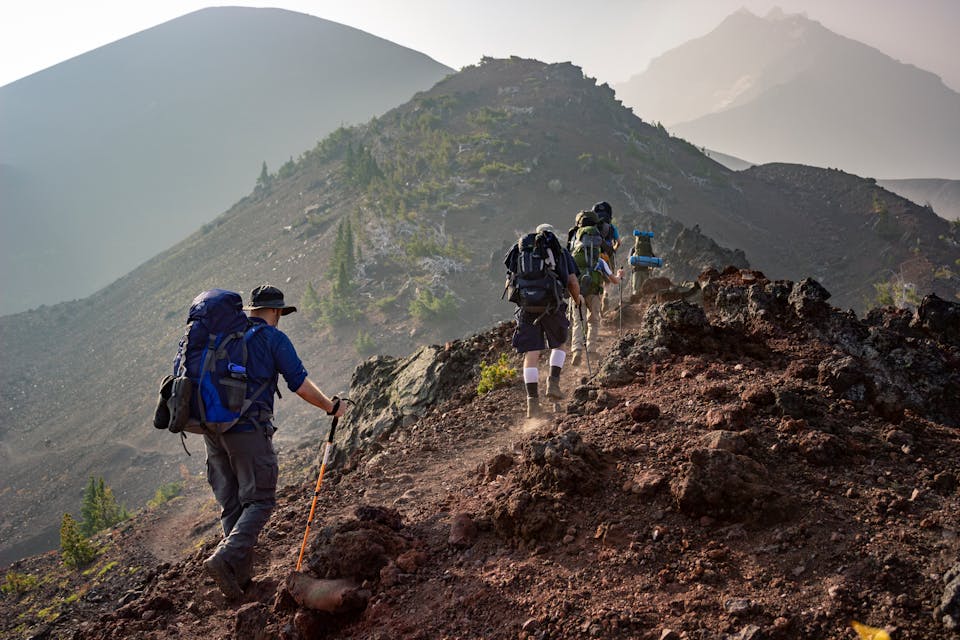
Mount Rinjani, the iconic volcanic peak of Lombok, Indonesia, has once again made headlines—not for its breathtaking views, but for yet another hiking accident involving a foreign national. This time, the victim is a Dutch woman living in Denmark who fell during her trek and had to be evacuated by helicopter.
Dutch Hiker Falls on Rinjani Trail
On Thursday, July 17, 2025, a foreign tourist named Sarah Tamar Van Hulten, a Dutch national currently residing in Denmark, experienced a serious accident while hiking on Mount Rinjani. According to the Mataram Search and Rescue (SAR) Office, Sarah reportedly fell along the Pelawangan Sembalun trail, a popular but challenging path leading toward Segara Anak Lake, a crater lake that sits within the caldera of the mighty Rinjani.
The report of the accident came in around midday from the Mount Rinjani National Park Authority (BTNGR). In response, SAR teams were immediately mobilized from the Kayangan SAR Post at 2:20 PM local time.
“Due to the rugged terrain and the difficulty of accessing the site, we coordinated closely with other agencies for the rescue operation,” said M. Hariyadi, Head of the Mataram SAR Office, in an official statement.
Air Rescue Deployed for Quick Evacuation

Given the remote and steep nature of the Pelawangan trail, a helicopter evacuation was deemed necessary. At 4:41 PM WITA, a rescue helicopter successfully landed at the accident site and airlifted Sarah from the mountain.
She was then flown to BIMC Hospital in Kuta, Bali, for advanced medical treatment.
The condition of the hiker following the rescue was not detailed in the official report, but the swift coordination and aerial evacuation likely helped minimize further complications.
Not the First Recent Incident on Rinjani
Mount Rinjani, revered for its natural beauty and spiritual significance, has seen an uptick in hiking accidents in recent weeks, particularly among international trekkers.
Just a day earlier, on Wednesday, July 16, Benedikt Emmenegger, a 46-year-old hiker from Switzerland, also fell along the same Pelawangan Sembalun route toward Segara Anak. He survived the fall but suffered a broken bone and head injuries, including visible bleeding.
And earlier still, another incident involving a Brazilian female hiker, Juliana Marins, ended in tragedy when she fell and lost her life while trekking the same mountain.
These incidents raise safety concerns, especially regarding the difficulty of Rinjani’s terrain, the preparedness of hikers, and the need for enhanced safety measures.
Mount Rinjani: A Natural Wonder with Real Risks
Towering at 3,726 meters (12,224 ft), Mount Rinjani is the second-highest volcano in Indonesia and one of the most popular hiking destinations in Southeast Asia. With its jaw-dropping views, sacred lake, and challenging trails, it’s a bucket-list adventure for many.
However, the climb is not for beginners. Trails like Pelawangan Sembalun are narrow, steep, and rocky—especially hazardous during rainy or windy weather. Even experienced hikers can slip or suffer exhaustion.
Tourism authorities and park officials routinely advise visitors to hike with guides, prepare adequately, and stick to designated routes. But accidents still happen, especially as the mountain continues to attract increasing numbers of international trekkers each year.
SAR Teams on High Alert
With three serious incidents in a short span of time, SAR teams and park rangers are now on heightened alert. Discussions are underway to consider adding more warning signs, checkpoints, and possibly limitations on solo hikes, especially for international tourists unfamiliar with the terrain.
For now, park officials are urging hikers—both local and foreign—to treat Rinjani with respect.
“This mountain is beautiful, but also unforgiving. Preparation and caution are key,” said one local trekking guide.
Final Thoughts: Beauty Comes with Caution
Mount Rinjani remains a majestic yet challenging destination that captures the imagination of adventurers around the globe. But as recent accidents involving Dutch, Swiss, and Brazilian nationals have shown, the journey to its summit requires more than just enthusiasm—it requires caution, physical fitness, and respect for nature’s unpredictability.
If you’re planning a hike to Rinjani, remember: the mountain will always be there—your safety must come first.
