

Close Menu
Saibumi | Uncovering Asia, One Story at a Time
    What's Hot

    Indonesia’s National Nutrition Agency Leadership Change Draws International Attention

    June 3, 2026

    Indonesia’s Biodiesel Shift: B50 Plan Put on Hold, Raising Questions for Global Palm Oil Markets

    January 14, 2026

    Elephants Help Clear Wooden Debris After Aceh Disaster

    December 27, 2025
    Facebook X (Twitter) Instagram
    Saibumi | Uncovering Asia, One Story at a TimeSaibumi | Uncovering Asia, One Story at a Time
    • About Us
    • Contact Us
    • Advertise
    Facebook X (Twitter) Instagram YouTube LinkedIn Reddit
    • Home
    • Stories

      The Global Plastic Treaty Fails Again – What Does It Mean for the Planet?

      August 27, 2025

      Puru Kambera Savanna: Tracing the Wild Horses of East Sumba

      August 25, 2025

      West Sumatra Emerges as a Leading Muslim-Friendly Travel Destination

      August 24, 2025

      Tabola Bale Song: The Viral Music Blend From Eastern Indonesia

      August 20, 2025

      Tanjung Karang Beach: An Underwater Paradise in Donggala

      August 20, 2025
    • Travel

      Know the Types of Snakes in the Wild & What to Do If You Get Bitten

      December 27, 2025

      Thailand Named the Best Food Country in the World 2025 — Beating Italy and Japan

      October 14, 2025

      Dieng Plateau Officially Designated as Indonesia’s Newest National Geopark

      September 29, 2025

      The Culture of Souvenirs: How Indonesians Strengthen Workplace Relationships Through Oleh-oleh

      September 29, 2025

      6 Best Coffee Shops in Asia – And Yes, One of Them Is in Indonesia!

      September 28, 2025
    • Culture
    • Lifestyle
      1. Food & Culture
      2. Green Living
      3. Local Life
      4. Modern Living
      5. People & Inspiration
      6. View All

      Gen Z in Indonesia and the Global “Escape Culture”: Why Many Are Saying #KaburAjaDulu

      October 20, 2025

      The Export of Indonesian Specialty Products: How Local Ingredients Are Becoming Global Brands

      October 20, 2025

      From Training to Takeoff: MKP’s Approach to Responsible Worker Preparation

      October 18, 2025

      Thailand Named the Best Food Country in the World 2025 — Beating Italy and Japan

      October 14, 2025

      List of Plants That Attract and Repel Snakes Around the House

      October 20, 2025

      Bird-Friendly Coffee in Lampung: Wild Birds Help Farmers Control Pests Naturally

      September 23, 2025

      Standing Still Like a Stick: How Tree Snakes Outsmart Predators with Vertical Sleep

      July 17, 2025

      Not a Cat, Not a Snake — Meet the Plant That Can Eat Rats

      July 12, 2025

      #KaburAjaDulu: When Young Indonesians Feel Like Escaping Is the Only Way to Survive

      October 9, 2025

      The Culture of Souvenirs: How Indonesians Strengthen Workplace Relationships Through Oleh-oleh

      September 29, 2025

      How Remote Work and Digitalization Are Transforming Indonesian Work Culture

      September 28, 2025

      Staying Healthy in Unpredictable Weather: Indonesian Habits the World Can Learn From

      September 21, 2025

      Gen Z in Indonesia and the Global “Escape Culture”: Why Many Are Saying #KaburAjaDulu

      October 20, 2025

      Indonesia’s Beauty Industry Is Having a Major Glow-Up

      July 1, 2025

      Why Indonesian Coffee Is the Next Big Thing Among Global Freelancers

      June 30, 2025

      The Culture of Souvenirs: How Indonesians Strengthen Workplace Relationships Through Oleh-oleh

      September 29, 2025

      The Indonesian Work Culture: Harmony and Gotong Royong in Action

      September 16, 2025

      Southeast Asian Solidarity: Citizens Rally Behind Indonesian Protesters Amid Police Violence

      September 6, 2025

      What Germans Can Learn from the Philosophy of Gotong Royong

      July 16, 2025

      Gen Z in Indonesia and the Global “Escape Culture”: Why Many Are Saying #KaburAjaDulu

      October 20, 2025

      #KaburAjaDulu: When Young Indonesians Feel Like Escaping Is the Only Way to Survive

      October 9, 2025

      The Indonesian Work Ethic: Why Global Teams Trust Indonesian Professionals

      October 2, 2025

      Why Indonesian Talents Are the Best Choice for Global Companies

      October 2, 2025
    • Local Business
    Subscribe
    Saibumi | Uncovering Asia, One Story at a Time
    Home » Getting to Know Coffee Wood: Strong, Unique, and Eco-Friendly
    Agriculture

    Getting to Know Coffee Wood: Strong, Unique, and Eco-Friendly

    Editor DeskBy Editor DeskJuly 28, 2025No Comments6 Mins Read
    Facebook Twitter Pinterest LinkedIn Tumblr Email
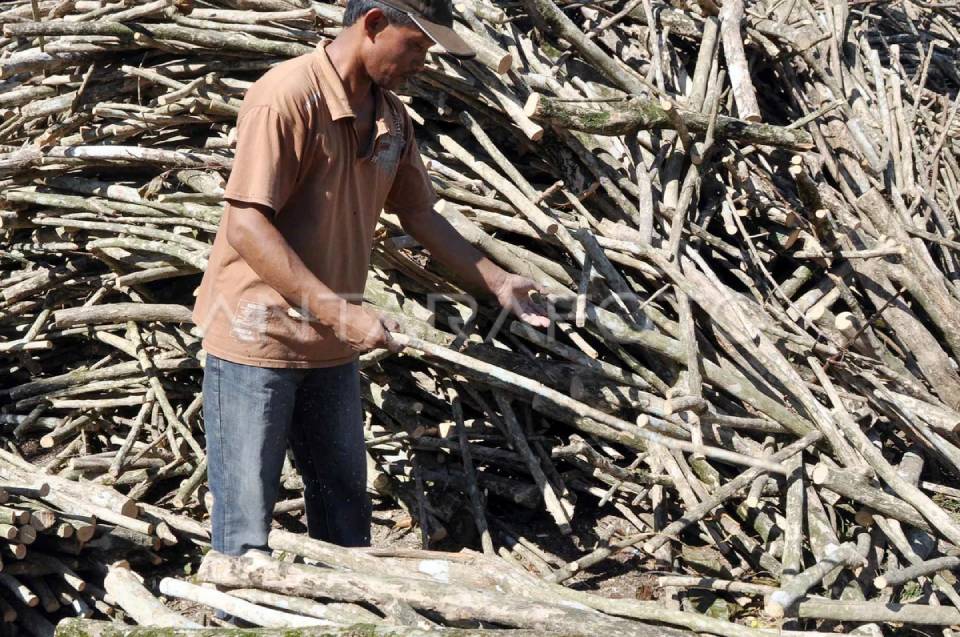
    ANTARA FOTO/Anis Efizudin/asf/kye/15
    Share
    Facebook Twitter LinkedIn Pinterest Email Copy Link

    Coffee Beyond the Beans

    We’ve all heard about the wonders of coffee. It’s the fuel of early mornings, the comfort of rainy afternoons, and the centerpiece of countless conversations around the world. But while most of the spotlight shines on the beans, there’s another part of the coffee plant that’s been quietly waiting for its moment—the wood.

    Yes, coffee wood. Not many people think about what happens to coffee trees once they stop producing beans. For decades, farmers have been pruning, cutting, and replacing old trees as part of the natural coffee-growing cycle. In the past, these trees were often discarded or burned. But that’s starting to change. People are now looking at coffee wood not as agricultural waste, but as a strong, beautiful, and eco-friendly material with serious potential.


    Understanding the Coffee Tree Species

    To appreciate coffee wood, it’s important to know its roots—literally. Coffee trees come in different species, each with its own characteristics. The three main ones cultivated worldwide are Arabica, Robusta, and Liberica, and each produces wood with different qualities.

    Arabica, the most well-known, is grown in highland areas and is prized for its smooth, delicate beans. The trees are relatively small and require frequent pruning, so Arabica wood is often used for small crafts. It’s fine-grained, moderately dense, and quite attractive.

    Robusta, as the name suggests, is tougher. It grows at lower altitudes and produces stronger, more bitter beans. The trees are bigger and more resistant to pests, resulting in wood that’s harder and denser. Robusta wood is suitable for more durable uses like chew toys or tool handles.

    Liberica is the giant of the coffee world. The trees are tall, with large leaves and bigger fruits. Though the beans are less common in international markets, the tree’s wood offers long, thicker cuts that are perfect for carving and crafting. Liberica wood often has a coarser grain and darker tones.

    SEE ALSO  Living with Tigers: The Semende People, Forests, and the Struggle for Harmony in South Sumatra

    Why Coffee Wood Matters

    Unlike trees grown specifically for timber, coffee trees are primarily cultivated for their beans. But after 15 to 25 years, the trees become less productive. At that point, farmers replace them with new ones. That’s when coffee wood becomes available—right at the intersection of practicality and sustainability.

    Instead of letting the wood go to waste, more people are recognizing its value. And it’s not hard to see why. Coffee wood is naturally strong and dense, with a beautiful grain that gives it visual charm. It’s also low in sap, which makes it easy to work with and safer for applications like pet toys or kitchen tools.


    The Beauty in the Details

    There’s something understated about coffee wood’s beauty. It doesn’t scream for attention, but when you look closely, you’ll see its rich, earthy tones, the subtle grain, and the natural patterns that vary from piece to piece. This uniqueness is what makes it so appealing to artisans and eco-conscious designers.

    What also stands out is the wood’s resilience. For a small tree, coffee wood holds up surprisingly well under pressure. It doesn’t splinter easily and is known to last, making it perfect for items that see everyday use.

    Whether it’s a handcrafted spoon, a picture frame, or a dog chew, coffee wood brings a sense of authenticity and warmth that’s hard to replicate with synthetic materials.


    How Coffee Wood Compares to Popular Hardwoods

    If you’re wondering how coffee wood stacks up against more familiar names like teak or mahogany, you’re not alone.

    Teak is famous for its durability and water resistance. It’s a staple in outdoor furniture and shipbuilding. Mahogany, on the other hand, is known for its deep reddish color and fine texture, often used in upscale furniture and musical instruments.

    SEE ALSO  Are Nepal’s Gen Z Protests Inspired by Indonesia?

    While coffee wood can’t match the sheer size or structural strength of these hardwoods, it offers something else: sustainability. Unlike teak or mahogany, which often require dedicated forests and sometimes raise concerns about deforestation, coffee wood is a byproduct of agriculture. Farmers don’t cut down forests to get it—it comes naturally from the replanting process of coffee farming.

    So while you may not use coffee wood to build a house, you can feel good about using it for smaller, meaningful items that leave a lighter footprint on the planet.


    Crafting a Sustainable Future

    Coffee wood has found its way into a growing number of creative industries. Artisans are using it to make eco-friendly utensils, home décor, jewelry, and pet products. It’s especially popular in the pet industry, where its strength and natural texture make it perfect for chew toys that are both safe and long-lasting.

    In countries like Indonesia, where coffee farming is deeply rooted in rural communities, the shift toward using coffee wood for artisanal products is more than just a trend. It’s an opportunity. By turning waste into value, farmers and small-scale entrepreneurs can diversify their income and connect with global markets that are hungry for sustainable goods.

    Each piece of coffee wood that gets reused represents a small win for the planet. It reduces waste, limits the need for logging, and supports local craftsmanship. And because each item is unique—each grain pattern, each curve—it carries a story that mass-produced products simply don’t have.


    A Material with a Story

    There’s something deeply personal about owning a product made from coffee wood. Maybe it came from a tree that once grew on the slopes of Sumatra or the volcanic hills of Java. Maybe that tree produced beans for years before it was finally retired. And now, it lives on as a spoon, a bowl, or a keepsake—still part of the coffee journey, but in a whole new form.

    SEE ALSO  Indonesia: The World’s Largest Island Democracy

    That story matters. In an age where people are asking, “Where does this come from?” or “How was this made?”, coffee wood provides an honest, traceable answer. It’s not just natural. It’s purposeful.


    Looking Ahead: The Future of Coffee Wood

    As more consumers choose to live sustainably, the demand for materials like coffee wood is growing. Eco-boutiques, online platforms, and handmade marketplaces are increasingly showcasing coffee wood products. They’re being appreciated not just for their looks, but for the values they represent—reuse, respect, and responsibility.

    In the future, we may see coffee wood used in even more creative ways. Perhaps in luxury packaging, minimalist interior accents, or even in fashion accessories. What matters most is that the world is finally starting to see what farmers and rural artisans have known for generations: that coffee trees don’t stop giving once they’re done producing beans.


    Conclusion: More Than Just Wood

    Coffee wood is a powerful example of how we can reimagine what we consider waste. It’s strong, it’s visually unique, and it’s deeply tied to a culture and industry that already has global reach. From tree to cup to craft, the coffee journey doesn’t have to end with the beans.

    So next time you hold something made of coffee wood, know that you’re not just holding a piece of timber—you’re holding part of a story, a solution, and a smarter way of living.

    Arabica Robusta Liberica artisanal wood coffee tree timber coffee wood eco-friendly crafts green living Indonesian coffee wood reclaimed wood sustainable wood wood alternatives zero waste materials
    Share. Facebook Twitter Pinterest LinkedIn Tumblr Email
    Previous ArticleCoffee Wood: A High-Value Byproduct of the Plantation
    Next Article Discovering Indonesian Coffee: A Journey Through Flavors, Cultures, and Traditions
    Editor Desk
    • Website

    Related Posts

    Economy

    Indonesia’s National Nutrition Agency Leadership Change Draws International Attention

    By Editor DeskJune 3, 2026
    Don't Miss

    Indonesia’s Biodiesel Shift: B50 Plan Put on Hold, Raising Questions for Global Palm Oil Markets

    By Editor DeskJanuary 14, 2026
    Disaster & Environment

    Elephants Help Clear Wooden Debris After Aceh Disaster

    By Editor DeskDecember 27, 2025
    Don't Miss

    Know the Types of Snakes in the Wild & What to Do If You Get Bitten

    By Editor DeskDecember 27, 2025
    Digital Life

    Gen Z in Indonesia and the Global “Escape Culture”: Why Many Are Saying #KaburAjaDulu

    By Editor DeskOctober 20, 2025
    Agriculture

    The Export of Indonesian Specialty Products: How Local Ingredients Are Becoming Global Brands

    By Editor DeskOctober 20, 2025
    Add A Comment
    Leave A Reply Cancel Reply

    Don't Miss

    Indonesia’s National Nutrition Agency Leadership Change Draws International Attention

    By Editor DeskJune 3, 2026

    Indonesia has attracted international attention following a recent leadership change at the National Nutrition Agency,…

    Indonesia’s Biodiesel Shift: B50 Plan Put on Hold, Raising Questions for Global Palm Oil Markets

    January 14, 2026

    Elephants Help Clear Wooden Debris After Aceh Disaster

    December 27, 2025

    Know the Types of Snakes in the Wild & What to Do If You Get Bitten

    December 27, 2025
    Top Posts

    Indonesia’s National Nutrition Agency Leadership Change Draws International Attention

    June 3, 2026

    Experience the Charm of Labuan Bajo’s Pinisi Boat Right Here in Lampung: Discover the Legendary Maritime Heritage of Indonesia

    June 30, 2025

    Must-Know: 5 Traditional Dances from Lampung You’ll Often Encounter

    June 30, 2025

    What to Do When You See a Snake: A Practical Guide for Everyday Life in Sumatra

    June 30, 2025
    Stay In Touch
    • Facebook
    • Twitter
    • Instagram
    • YouTube
    About Us
    About Us

    Saibumi International brings authentic stories, cultural depth, and off-the-radar destinations from Indonesia and the wider Asian region — crafted for readers who want more than surface-level travel and headlines.

    Facebook X (Twitter) YouTube Reddit
    Our Picks

    Indonesia’s National Nutrition Agency Leadership Change Draws International Attention

    June 3, 2026

    Indonesia’s Biodiesel Shift: B50 Plan Put on Hold, Raising Questions for Global Palm Oil Markets

    January 14, 2026

    Elephants Help Clear Wooden Debris After Aceh Disaster

    December 27, 2025
    Most Popular

    Indonesia’s National Nutrition Agency Leadership Change Draws International Attention

    June 3, 2026

    Experience the Charm of Labuan Bajo’s Pinisi Boat Right Here in Lampung: Discover the Legendary Maritime Heritage of Indonesia

    June 30, 2025

    Must-Know: 5 Traditional Dances from Lampung You’ll Often Encounter

    June 30, 2025
    • Home
    • About Us
    • Advertise
    • Contact Us
    © 2026 Saibumi International. SEO & Web by Dkonten Studio

    Type above and press Enter to search. Press Esc to cancel.