

Close Menu
Saibumi | Uncovering Asia, One Story at a Time
    What's Hot

    Indonesia’s National Nutrition Agency Leadership Change Draws International Attention

    June 3, 2026

    Indonesia’s Biodiesel Shift: B50 Plan Put on Hold, Raising Questions for Global Palm Oil Markets

    January 14, 2026

    Elephants Help Clear Wooden Debris After Aceh Disaster

    December 27, 2025
    Facebook X (Twitter) Instagram
    Saibumi | Uncovering Asia, One Story at a TimeSaibumi | Uncovering Asia, One Story at a Time
    • About Us
    • Contact Us
    • Advertise
    Facebook X (Twitter) Instagram YouTube LinkedIn Reddit
    • Home
    • Stories

      The Global Plastic Treaty Fails Again – What Does It Mean for the Planet?

      August 27, 2025

      Puru Kambera Savanna: Tracing the Wild Horses of East Sumba

      August 25, 2025

      West Sumatra Emerges as a Leading Muslim-Friendly Travel Destination

      August 24, 2025

      Tabola Bale Song: The Viral Music Blend From Eastern Indonesia

      August 20, 2025

      Tanjung Karang Beach: An Underwater Paradise in Donggala

      August 20, 2025
    • Travel

      Know the Types of Snakes in the Wild & What to Do If You Get Bitten

      December 27, 2025

      Thailand Named the Best Food Country in the World 2025 — Beating Italy and Japan

      October 14, 2025

      Dieng Plateau Officially Designated as Indonesia’s Newest National Geopark

      September 29, 2025

      The Culture of Souvenirs: How Indonesians Strengthen Workplace Relationships Through Oleh-oleh

      September 29, 2025

      6 Best Coffee Shops in Asia – And Yes, One of Them Is in Indonesia!

      September 28, 2025
    • Culture
    • Lifestyle
      1. Food & Culture
      2. Green Living
      3. Local Life
      4. Modern Living
      5. People & Inspiration
      6. View All

      Gen Z in Indonesia and the Global “Escape Culture”: Why Many Are Saying #KaburAjaDulu

      October 20, 2025

      The Export of Indonesian Specialty Products: How Local Ingredients Are Becoming Global Brands

      October 20, 2025

      From Training to Takeoff: MKP’s Approach to Responsible Worker Preparation

      October 18, 2025

      Thailand Named the Best Food Country in the World 2025 — Beating Italy and Japan

      October 14, 2025

      List of Plants That Attract and Repel Snakes Around the House

      October 20, 2025

      Bird-Friendly Coffee in Lampung: Wild Birds Help Farmers Control Pests Naturally

      September 23, 2025

      Standing Still Like a Stick: How Tree Snakes Outsmart Predators with Vertical Sleep

      July 17, 2025

      Not a Cat, Not a Snake — Meet the Plant That Can Eat Rats

      July 12, 2025

      #KaburAjaDulu: When Young Indonesians Feel Like Escaping Is the Only Way to Survive

      October 9, 2025

      The Culture of Souvenirs: How Indonesians Strengthen Workplace Relationships Through Oleh-oleh

      September 29, 2025

      How Remote Work and Digitalization Are Transforming Indonesian Work Culture

      September 28, 2025

      Staying Healthy in Unpredictable Weather: Indonesian Habits the World Can Learn From

      September 21, 2025

      Gen Z in Indonesia and the Global “Escape Culture”: Why Many Are Saying #KaburAjaDulu

      October 20, 2025

      Indonesia’s Beauty Industry Is Having a Major Glow-Up

      July 1, 2025

      Why Indonesian Coffee Is the Next Big Thing Among Global Freelancers

      June 30, 2025

      The Culture of Souvenirs: How Indonesians Strengthen Workplace Relationships Through Oleh-oleh

      September 29, 2025

      The Indonesian Work Culture: Harmony and Gotong Royong in Action

      September 16, 2025

      Southeast Asian Solidarity: Citizens Rally Behind Indonesian Protesters Amid Police Violence

      September 6, 2025

      What Germans Can Learn from the Philosophy of Gotong Royong

      July 16, 2025

      Gen Z in Indonesia and the Global “Escape Culture”: Why Many Are Saying #KaburAjaDulu

      October 20, 2025

      #KaburAjaDulu: When Young Indonesians Feel Like Escaping Is the Only Way to Survive

      October 9, 2025

      The Indonesian Work Ethic: Why Global Teams Trust Indonesian Professionals

      October 2, 2025

      Why Indonesian Talents Are the Best Choice for Global Companies

      October 2, 2025
    • Local Business
    Subscribe
    Saibumi | Uncovering Asia, One Story at a Time
    Home » From Sumatra to Saxony: Sustainable Coffee with a Story
    Agriculture

    From Sumatra to Saxony: Sustainable Coffee with a Story

    Editor DeskBy Editor DeskJuly 16, 2025No Comments5 Mins Read
    Facebook Twitter Pinterest LinkedIn Tumblr Email
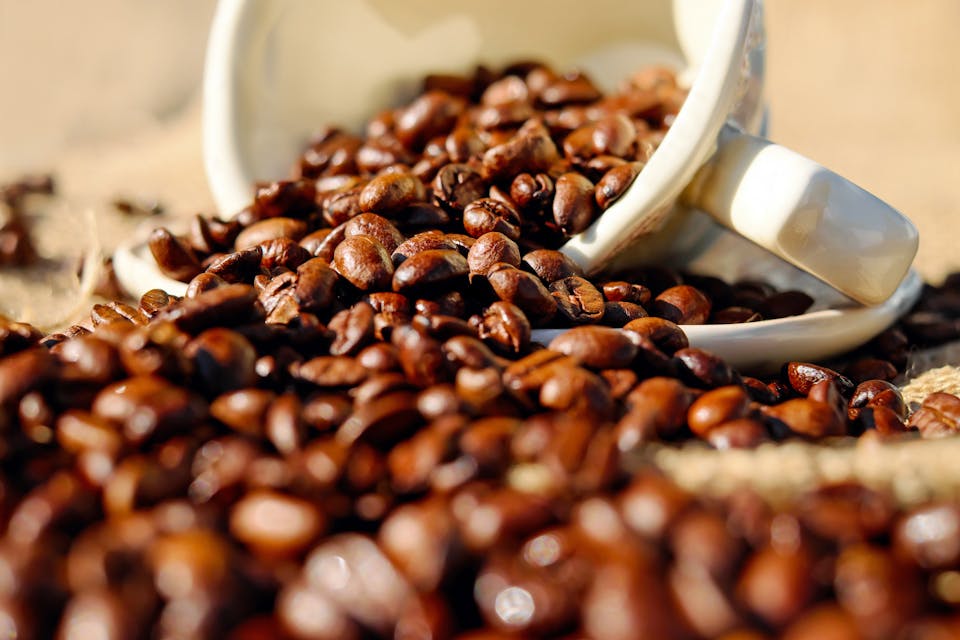
    Foto oleh Pixabay: https://www.pexels.com/id-id/foto/fokus-dangkal-biji-kopi-pada-cangkir-keramik-putih-144253/
    Share
    Facebook Twitter LinkedIn Pinterest Email Copy Link

    What if your morning cup of coffee could tell a story? A story of volcanic soil, mountain mists, and hands that pick each cherry with care. From the misty highlands of Sumatra to the historic heartlands of Saxony, coffee is no longer just a drink—it’s a journey. A journey of flavor, sustainability, and culture that connects two very different worlds.

    Welcome to the story of Sumatra’s sustainable coffee—and how it’s gaining loyal fans all the way in Saxony, Germany.

    The Origin: Misty Mountains and Coffee Forests of Sumatra

    Sumatra, Indonesia’s westernmost major island, is home to some of the world’s most prized Arabica beans. Grown in regions like Aceh and North Sumatra, Sumatran coffee is known for its full body, low acidity, and earthy, herbal tones. But there’s more than just taste at stake here.

    Most coffee farms in Sumatra are smallholder-operated. That means your beans aren’t coming from massive plantations, but from family-run farms, usually less than two hectares in size. These farmers rely heavily on the land not just for profit—but for survival. Which is where sustainability comes into play.

    In recent years, climate change, deforestation, and fluctuating coffee prices have threatened the livelihoods of these growers. That’s why a movement has taken root—literally and figuratively—toward sustainable farming practices.

    What Makes Sumatra’s Coffee Sustainable?

    “Sustainable” isn’t just a trendy buzzword anymore. In Sumatra, it means protecting biodiversity, improving farmers’ welfare, and making sure the land can continue producing quality coffee for generations to come.

    SEE ALSO  Snakebite Crisis in Indonesia: Ground Pit Viper Attacks and How to Respond

    Many cooperatives and NGOs have stepped in to help smallholder farmers learn about:

    • Agroforestry: Growing coffee under a canopy of shade trees, mimicking a natural forest ecosystem. This protects soil health and prevents erosion.
    • Organic Fertilization: Using compost, natural waste, and eco-friendly methods instead of chemical fertilizers.
    • Water Conservation: Especially crucial during processing, where methods like “wet hulling” (a common Indonesian technique) can consume vast amounts of water.

    Moreover, certifications like Fair Trade and Rainforest Alliance are empowering farmers to get fair prices, access training, and connect directly with international buyers who care about quality and sustainability.

    The German Connection: Why Saxony Loves Sustainable Sumatran Coffee

    So how did this earthy Sumatran bean make its way into the cups of Saxon cafés and eco-conscious coffee lovers in Leipzig, Dresden, and beyond?

    Germany is Europe’s largest coffee importer, but Saxony in particular has seen a boom in specialty coffee culture. Small roasteries are popping up across the region, and many of them are actively looking for ethically sourced beans with a story behind them.

    Enter Sumatra.

    Saxon roasters are drawn to Sumatran beans not just for their bold, rich flavor—but for their backstory. In a region known for its deep appreciation of craft (from watchmaking to brewing), Saxon consumers are increasingly asking: Where does my coffee come from? Who grew it? And is it doing good for the planet?

    That’s where Sumatra shines.

    SEE ALSO  When the Rain Stops: Rituals and Spiritual Beliefs During Indonesia's Dry Season

    Stories in Every Sip

    Some coffee shops in Dresden are now even including QR codes on their bags of beans. Scan one, and you’ll be taken to a mini-documentary about the farmer in Aceh who grew it. You’ll see their farm, their family, and hear about the challenges and triumphs of growing coffee sustainably in a tropical climate.

    This kind of traceability isn’t just feel-good marketing—it’s helping to forge human connections across continents. Consumers are more engaged. Farmers feel respected and recognized. And suddenly, coffee becomes more than a drink. It becomes a dialogue.

    Challenges in the Supply Chain

    Of course, getting coffee from a remote mountain in Sumatra to a roastery in Saxony isn’t easy. There are still challenges to overcome:

    • Middlemen and Fair Pricing: Many farmers still rely on middlemen, which can lead to underpayment and lack of transparency.
    • Certification Costs: Not every farmer can afford to get Fair Trade or organic certified, even if they’re already farming sustainably.
    • Shipping and Carbon Footprint: Coffee is a global commodity, and transporting it across oceans poses its own environmental impact.
    SEE ALSO  The Global Aroma of Puntang Coffee: How a Local Bean from West Java Won the World's Heart

    That’s why some importers and cooperatives are experimenting with carbon-neutral shipping, direct trade models, and digital traceability systems to create a truly transparent and fair supply chain.

    What Saxon Consumers Can Do

    If you’re sipping a cup of coffee in Saxony—or anywhere in the world—and wondering how to support this global network of sustainable coffee, here’s what you can do:

    1. Buy from Local Roasteries: Especially those that prioritize transparency and partnerships with sustainable producers.
    2. Look for Certifications: Labels like Organic, Fair Trade, and Rainforest Alliance can guide you, though they aren’t the only markers of quality.
    3. Ask Questions: Don’t be afraid to ask your barista or supplier: “Where is this coffee from? How was it grown?”
    4. Reduce Waste: Use reusable cups, avoid single-use pods, and consider composting coffee grounds at home.

    A Cup That Builds Bridges

    In a world that sometimes feels divided, coffee has become a surprising bridge. It links the volcanic slopes of Sumatra with the cobblestone streets of Saxony. It connects rainforest preservation with urban sustainability. It gives small farmers a voice in an international conversation.

    The next time you drink a cup of coffee—whether in a hip Leipzig café or a traditional Saxon bakery—remember: you’re not just drinking a flavor. You’re tasting a story. A journey. And maybe even a small act of change.

    coffee with a story eco-friendly farming Fair Trade coffee Indonesian Arabica beans Saxony coffee culture specialty coffee Sumatra to Germany Sumatran coffee sustainable coffee traceable coffee
    Share. Facebook Twitter Pinterest LinkedIn Tumblr Email
    Previous ArticleHidden Tribes of Indonesia: Anthropology Beyond Bali
    Next Article Volcano Nation: Why Geologists and Nature Lovers Flock to Indonesia
    Editor Desk
    • Website

    Related Posts

    Economy

    Indonesia’s National Nutrition Agency Leadership Change Draws International Attention

    By Editor DeskJune 3, 2026
    Don't Miss

    Indonesia’s Biodiesel Shift: B50 Plan Put on Hold, Raising Questions for Global Palm Oil Markets

    By Editor DeskJanuary 14, 2026
    Disaster & Environment

    Elephants Help Clear Wooden Debris After Aceh Disaster

    By Editor DeskDecember 27, 2025
    Don't Miss

    Know the Types of Snakes in the Wild & What to Do If You Get Bitten

    By Editor DeskDecember 27, 2025
    Digital Life

    Gen Z in Indonesia and the Global “Escape Culture”: Why Many Are Saying #KaburAjaDulu

    By Editor DeskOctober 20, 2025
    Agriculture

    The Export of Indonesian Specialty Products: How Local Ingredients Are Becoming Global Brands

    By Editor DeskOctober 20, 2025
    Add A Comment
    Leave A Reply Cancel Reply

    Don't Miss

    Indonesia’s National Nutrition Agency Leadership Change Draws International Attention

    By Editor DeskJune 3, 2026

    Indonesia has attracted international attention following a recent leadership change at the National Nutrition Agency,…

    Indonesia’s Biodiesel Shift: B50 Plan Put on Hold, Raising Questions for Global Palm Oil Markets

    January 14, 2026

    Elephants Help Clear Wooden Debris After Aceh Disaster

    December 27, 2025

    Know the Types of Snakes in the Wild & What to Do If You Get Bitten

    December 27, 2025
    Top Posts

    Indonesia’s National Nutrition Agency Leadership Change Draws International Attention

    June 3, 2026

    Experience the Charm of Labuan Bajo’s Pinisi Boat Right Here in Lampung: Discover the Legendary Maritime Heritage of Indonesia

    June 30, 2025

    Must-Know: 5 Traditional Dances from Lampung You’ll Often Encounter

    June 30, 2025

    What to Do When You See a Snake: A Practical Guide for Everyday Life in Sumatra

    June 30, 2025
    Stay In Touch
    • Facebook
    • Twitter
    • Instagram
    • YouTube
    About Us
    About Us

    Saibumi International brings authentic stories, cultural depth, and off-the-radar destinations from Indonesia and the wider Asian region — crafted for readers who want more than surface-level travel and headlines.

    Facebook X (Twitter) YouTube Reddit
    Our Picks

    Indonesia’s National Nutrition Agency Leadership Change Draws International Attention

    June 3, 2026

    Indonesia’s Biodiesel Shift: B50 Plan Put on Hold, Raising Questions for Global Palm Oil Markets

    January 14, 2026

    Elephants Help Clear Wooden Debris After Aceh Disaster

    December 27, 2025
    Most Popular

    Indonesia’s National Nutrition Agency Leadership Change Draws International Attention

    June 3, 2026

    Experience the Charm of Labuan Bajo’s Pinisi Boat Right Here in Lampung: Discover the Legendary Maritime Heritage of Indonesia

    June 30, 2025

    Must-Know: 5 Traditional Dances from Lampung You’ll Often Encounter

    June 30, 2025
    • Home
    • About Us
    • Advertise
    • Contact Us
    © 2026 Saibumi International. SEO & Web by Dkonten Studio

    Type above and press Enter to search. Press Esc to cancel.