



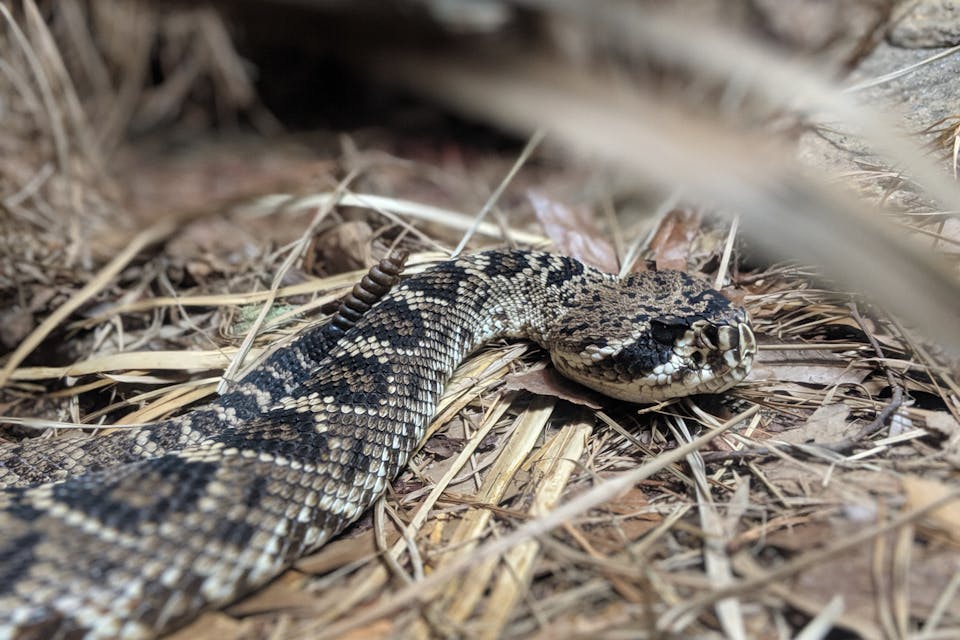
A Growing Concern in Banten’s Remote Communities
Between January and May 2025, the Indonesian non-profit group Sahabat Relawan Indonesia reported 36 snakebite cases involving the venomous ground pit viper (Calloselasma rhodostoma) in the Baduy indigenous community, located in Lebak Regency, Banten Province, Indonesia. Four of these cases resulted in fatalities, raising questions and fears among residents and public health officials alike. But what’s behind these deaths—is it the absence of antivenom, or something deeper?
The Real Cause: Poor First Aid, Not Antivenom Shortage
Many assume that lack of access to antivenom serum is the root cause of snakebite deaths in rural Indonesia. However, Dr. Tri Maharani, Indonesia’s only clinical toxinologist specializing in venomous snakebites, says otherwise.
“Antivenom is not the silver bullet. The biggest problem is incorrect first aid,” says Dr. Tri. She explains that the majority of bites in the Baduy region only cause local symptoms like swelling or mild pain—signs of localized envenomation. Only about a third of the cases develop into severe systemic poisoning, which could lead to death if not managed properly.
So, what’s going wrong? According to Dr. Tri, traditional first-aid methods are doing more harm than good. Victims or bystanders often apply tight tourniquets, cut the wound, suck out the venom, pour boiling water, or use herbal concoctions. These outdated methods accelerate tissue damage and spread venom rather than controlling it.
First Aid: What Should You Actually Do?
Dr. Tri emphasizes the importance of immobilizing the bitten limb with a splint or bandage to slow venom spread. Victims should be calm, lie down, and avoid moving the affected area. Immediate transport to the nearest hospital is crucial.
“The correct first response can make the difference between recovery and a fatality,” she adds.
Limited Health Infrastructure in Rural Indonesia
In areas like Baduy, the nearest medical facilities—known as Puskesmas (public health centers)—are poorly equipped. Most lack basic tools such as:
- Oxygen tanks
- Airway management equipment
- IV kits
- Blood clotting test devices (20WBCT)
Due to these limitations, giving antivenom at Puskesmas can be dangerous. Antivenom can cause anaphylactic shock, a severe allergic reaction that requires advanced life support. Without trained personnel and proper tools, the serum can do more harm than good.
“Antivenom should only be given in hospitals with proper equipment and trained staff,” Dr. Tri explains. In severe cases where veins collapse due to internal bleeding, doctors may need to use intraosseous access (inserting a needle directly into the bone marrow)—a skill not commonly available at rural clinics.
Snake Encounters on the Rise in Banten
Beyond Baduy, the problem stretches across Banten. According to the Wildlife Rescue Foundation based in Cilegon, over 100 snake-related incidents were reported in the past year. Sightings and bites are common in Serang, Cilegon, Pandeglang, and other densely populated areas.
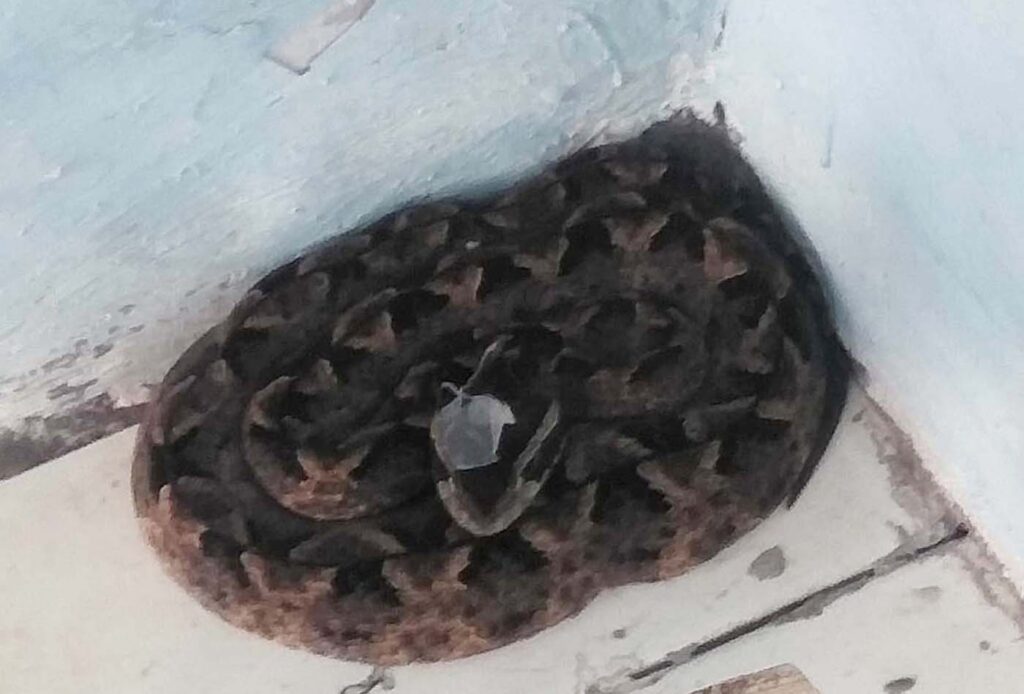
Tubagus Surya Bhaskara, founder of the Wildlife Rescue Foundation, says the ground pit viper is often found in homes, vehicles, bathrooms, and damp corners—especially during the rainy season and snake hatching season from June to August.
“We get two to three emergency calls every week. One mother snake can hatch over a dozen baby snakes, and they quickly disperse into residential areas,” he notes.
The group regularly rescues and relocates snakes, but human fear remains a major issue. Despite education efforts, many residents kill snakes on sight, leading to ecological imbalance and unnecessary deaths.
Why Are These Snakes Entering Homes?
Habitat disruption plays a big role. During heavy rains, snakes leave their flooded burrows. In dry seasons, they seek moisture and food sources in homes. Changes in land use—deforestation, construction, and waste accumulation—also drive wildlife into closer contact with humans.
“Snakes aren’t the enemy. They bite when they feel threatened. Most attacks are a result of accidental encounters,” Tubagus says.
Understanding the Ground Pit Viper
The ground pit viper, or ular tanah, is a venomous snake native to Southeast Asia. It has a triangular head, thick body, and camouflaged scales. While not aggressive, it will strike if provoked.
Its venom contains hemotoxins, which damage blood vessels, impair clotting, and cause internal bleeding. Severe bites can lead to hypotension, organ failure, and even death if untreated.
Symptoms include:
- Immediate pain and swelling
- Blistering or bruising
- Nausea or vomiting
- Dizziness or fainting
Bridging the Gap: What Needs to Be Done
To reduce fatalities, experts recommend a multi-layered approach:
1. Community Education
Local residents, especially in remote areas, need training in modern first aid for snakebites. Schools, local leaders, and traditional healers should be involved to ensure cultural alignment.
2. Healthcare Capacity Building
Puskesmas in high-risk regions should be equipped with basic resuscitation tools and staff trained in emergency response protocols, including airway management and IV access.
3. Controlled Antivenom Distribution
Rather than distributing antivenom broadly, focus on placing it in regional hospitals with adequate support systems to handle allergic reactions and systemic complications.
4. Wildlife Conservation and Safe Relocation
Support rescue organizations like the Wildlife Rescue Foundation in safely capturing and releasing snakes to preserve biodiversity and reduce fear-driven killings.
5. Data Collection and Surveillance
Improved tracking of snakebite cases, antivenom use, and patient outcomes can guide better policy and resource allocation.
Final Thoughts: Knowledge Saves Lives
Snakebites in Indonesia are a real and growing concern, especially in rural and densely populated areas. But deaths are largely preventable with proper education, better healthcare infrastructure, and a more balanced approach to wildlife.
Whether you live in a snake-prone area or work with rural communities, remember:
- Don’t panic. Don’t move the bite site. Seek help immediately.
- Avoid outdated treatments like tourniquets and incisions.
- Support local education efforts and responsible snake management.
Snakebite isn’t just a medical issue—it’s a matter of public awareness, infrastructure, and respect for nature.
