



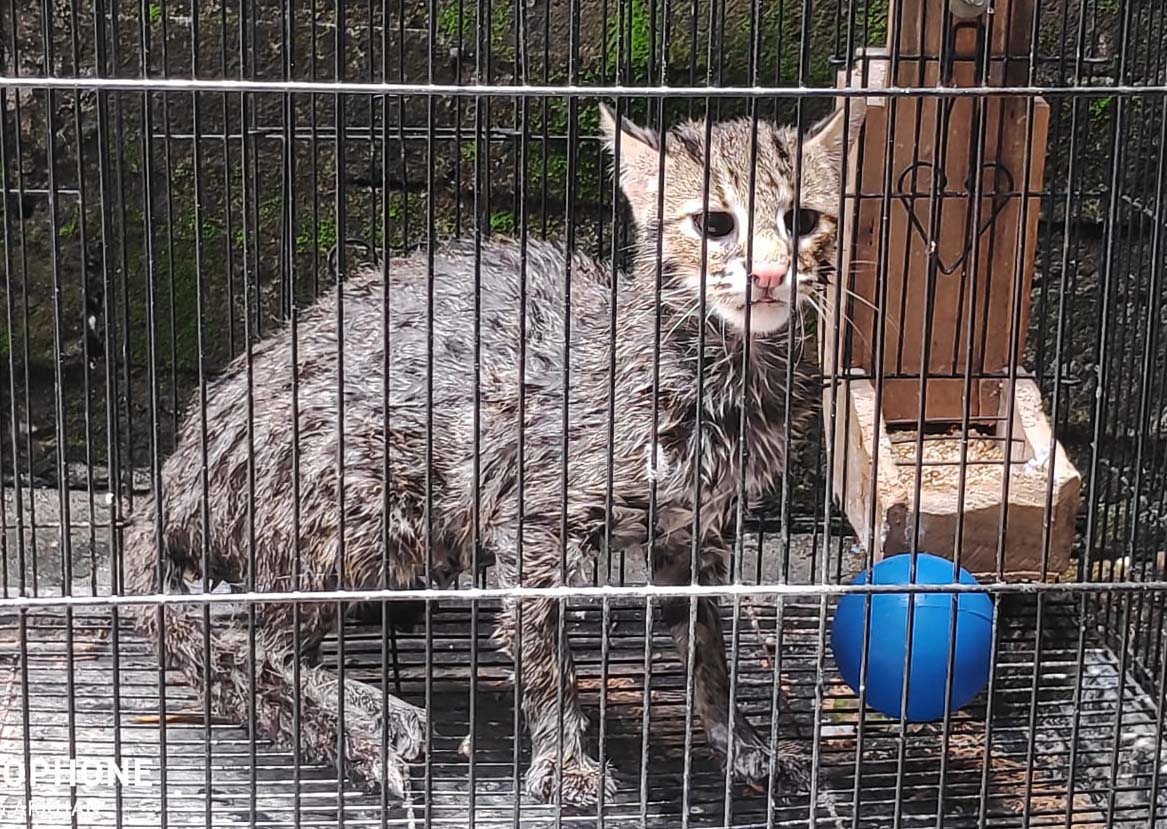
Deep in the forests of East Java, a shy and elusive creature once thrived in the shadows—Prionailurus bengalensis, more commonly known as the leopard cat, or locally as kucing kuwuk. But as forests shrink and the exotic pet trade rises, the future of this small wild feline is growing uncertain.
Spotted Outside the Forest
Leopard cats are nocturnal hunters, rarely seen and notoriously difficult to track. But lately, they’re showing up in the unlikeliest of places—on roadsides, in villages, and even trapped in backyard snares. According to East Java’s Natural Resources Conservation Agency (BKSDA), 10 to 20 leopard cats have been rescued each year in the last five years. Many were handed in by local residents or confiscated by authorities—some injured, others just frightened and far from home.
“It’s becoming more common to find them outside forest zones,” says Nur Patria Kurniawan, head of East Java BKSDA. The sightings stretch from Lamongan and Jember to Kediri and other forest-fringe areas across the province. While this increase might suggest a population boom, conservationists are cautious. The lack of consistent, long-term population monitoring means we still don’t know how many remain in the wild.
What’s clear, however, is that their habitat is disappearing fast. Deforestation for agriculture and development is forcing these cats to adapt—or perish.
The Lure of the Exotic
One of the biggest threats leopard cats face isn’t just habitat loss—it’s humans. More specifically, humans with a fascination for exotic pets.
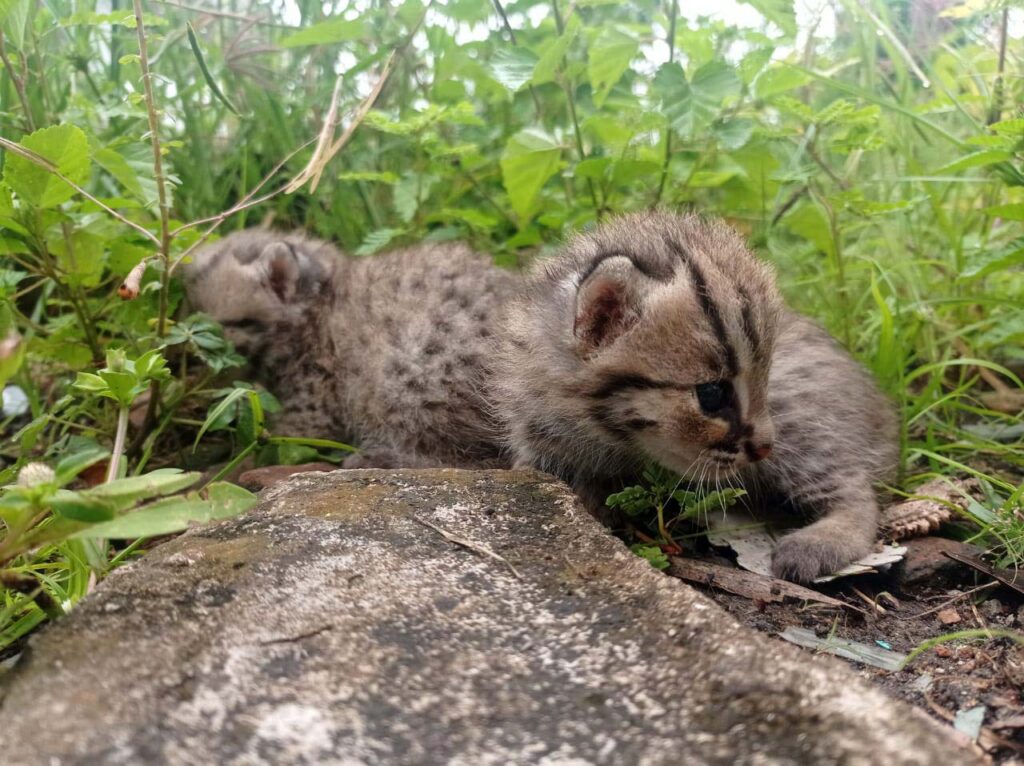
A recent study by IPB University researcher Rafihanifah Dimas Aprianza uncovered 40 recorded cases of illegal leopard cat trade between 2014 and 2023. In total, at least 109 individuals were sold—often as kittens, often online. The data came from court records, news reports, social media platforms, and online marketplaces. It’s an alarming glimpse into the underground world of wildlife trafficking.
“People don’t realize that this is a protected species,” says Nur. “They’re wild animals, not pets.”
In many cases, poachers use crude snares to capture animals—devices so indiscriminate that they often trap non-target species, including leopard cats. Injuries from these traps are common, and many animals die before they’re even discovered.
Signs of Hope Amid the Crisis
Despite the growing challenges, not all is bleak. Communities near forests are beginning to take notice and take action. More residents are reporting leopard cat sightings, and in some cases, rescuing them from dangerous situations.
This is part of a broader trend of rising public awareness, fueled in part by outreach programs like “Rimbawan Mengajar” (Foresters Teach)—an initiative that brings wildlife education to schools and rural villages near conservation areas.
“It’s a sign that conservation awareness is growing,” Nur adds. “But we still have a long way to go.”
Education isn’t just for the classroom. BKSDA has also been training local leaders and wildlife enthusiasts to recognize protected species and advocate for their preservation at the grassroots level.
Science and Policy Need to Catch Up
Beyond education, experts are calling for stronger, science-based legal protections. Nurul Inayah, a researcher from the National Research and Innovation Agency (BRIN), believes it’s time to revisit Indonesia’s wildlife protection regulations.
“Yes, the leopard cat is small—but it plays a vital role in the ecosystem,” she explains. As a natural predator of rats and small birds, it helps maintain ecological balance. “We need to stop thinking of it as a pet and recognize its role in the wild.”
BRIN is pushing for updated legal frameworks that reflect the current scientific understanding of species and their conservation status. This includes better species classification and stronger protections not just for the animal—but for its habitat as well.
Leopard Cats Are Not Pets
One thing conservationists agree on: kucing kuwuk should never be treated as pets.
“They’re not domesticated,” says Nurul. “They belong in the wild.”
As charming as they may appear—tiny, spotted, and wide-eyed—leopard cats are predators by nature. Keeping them as pets not only endangers their lives but also disrupts the delicate ecosystems they inhabit.
What You Can Do
If you’re in Indonesia or planning to visit, here’s how you can help:
- Don’t buy exotic pets. Even if it looks legal, chances are it’s not.
- Report wildlife trafficking. If you see something suspicious, contact local authorities or conservation organizations.
- Support responsible tourism. Choose eco-tourism operators that respect wildlife and promote conservation.
- Spread awareness. Share articles, stories, and educational content with your community and online.
The future of the leopard cat in Java hangs in the balance. With greater awareness, smarter regulations, and continued efforts from local communities, we still have a chance to protect this remarkable creature before it disappears from the wild for good.
