



Introduction: Elephants in People’s Backyards
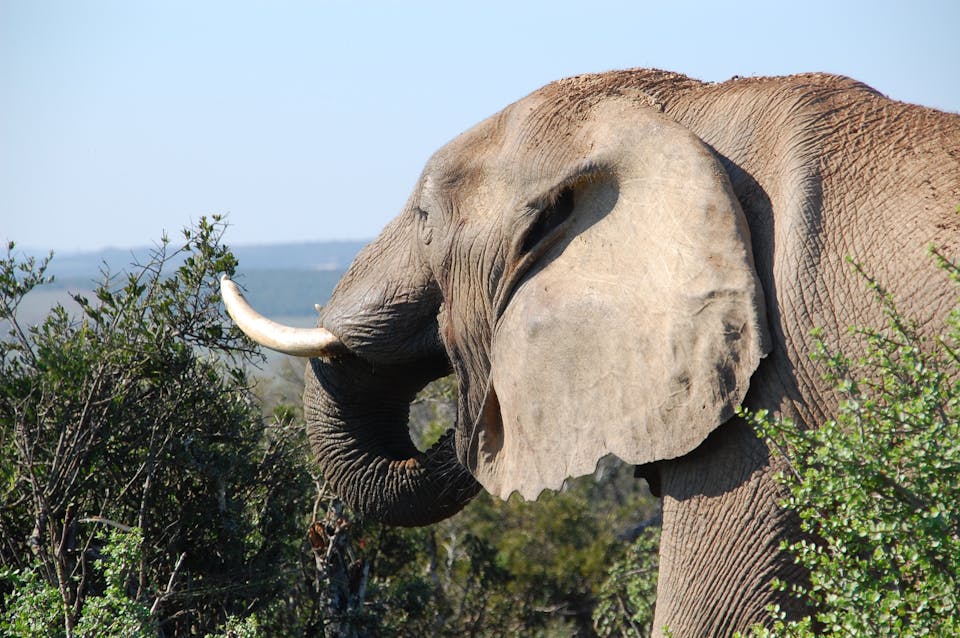
Imagine waking up one morning to find a group of wild elephants casually snacking in your rubber plantation. Sounds surreal, right? But for villagers in Sebengung, Cengal District, Ogan Komering Ilir (OKI), South Sumatra, this has become a recurring reality. In the past week alone, around 25 to 30 Sumatran elephants, mostly young ones, have been spotted entering local farms and munching away on crops.
Why Are Sumatran Elephants Entering Farms?
According to Sobri, a resident of Sebengung village, the elephants ate young rubber trees, banana trees, and bamboo. Villagers tried everything to drive them away – making loud noises, banging objects, and even lighting torches. But these gentle giants simply ignored them.
“There’s nothing we can do,” Sobri said. “If we harm them, we’ll get arrested because elephants are protected animals in Indonesia.”
Deforestation Is Pushing Elephants Closer to Humans
Seringguk, another villager from Cengal, explained that almost every year, elephants enter local farms. The reason is quite simple: deforestation and land clearing have drastically reduced their natural habitat. Many forests on peatlands have been converted into plantations or burned down, leaving elephants with nowhere to find food.
“Most of these farms used to be part of their roaming area,” Seringguk added. In fact, compared to five years ago, the number of elephants seen in their village has doubled. Back then, only about 15 elephants were spotted at once. Now, it’s common to see groups of 25 to 30 elephants roaming through people’s crops.
The History of Elephant Relocation in South Sumatra
Back in 1982, a massive elephant relocation took place under President Soeharto’s order. At that time, 232 wild elephants were moved from Air Sugihan to Lebong Hitam, Lampung, about 70 km away, to protect transmigrant settlements that were frequently visited by elephant herds.
Yet despite this relocation, elephant habitats in OKI and Banyuasin didn’t just disappear. Today, wild elephants are still found in Air Sugihan, Suaka Margasatwa Padang Sugihan Sebokor, and Cengal. For instance, around 40 wild elephants live in Padang Sugihan Sebokor Wildlife Reserve, and 20 are trained at the Elephant Training Center there.
Critically Endangered Status: Why Protection Matters
The Sumatran elephant (Elephas maximus sumatranus) is classified as Critically Endangered (CR) by the International Union for Conservation of Nature (IUCN). In 2007, their population was estimated at 2,400 to 2,800, but now it may have dropped by half. On top of that, 69% of their potential habitat has been lost in the past 25 years.
These elephants are a subspecies of Asian elephants, and they used to be highly respected by humans – from ceremonial greeters to war animals in ancient times. Sadly, today they struggle to survive as their forests shrink year after year.
Why Coexistence Is Important
According to Dr. Najib Asmani, Coordinator of the South Sumatra Peat Restoration Team (TRG), communities need to support elephant conservation efforts. “Elephants won’t attack humans unless provoked. They will eventually leave after some time,” he explained.
Restoring peatlands and forests is essential not only for preventing floods and fires but also for ensuring animals like Sumatran elephants and tigers can continue to live in their natural habitat.
Conclusion: The Future of Sumatran Elephants
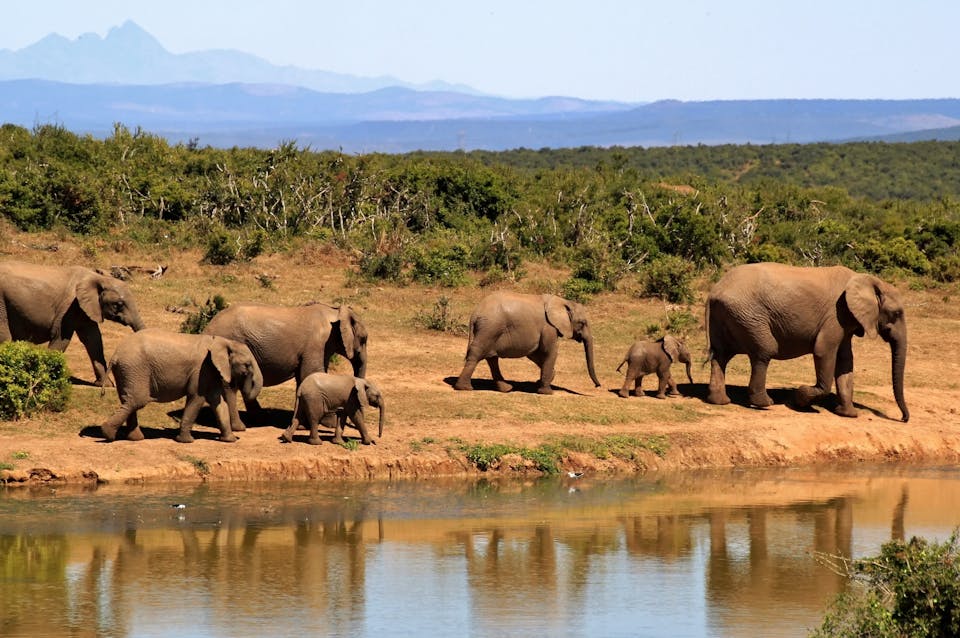
The recurring sight of Sumatran elephants entering farms is a stark reminder of how environmental destruction affects wildlife. Without real solutions like habitat restoration and forest protection, these conflicts will only intensify. For now, local villagers continue to share their land with these majestic animals, hoping one day, both humans and elephants can live peacefully side by side again.
