



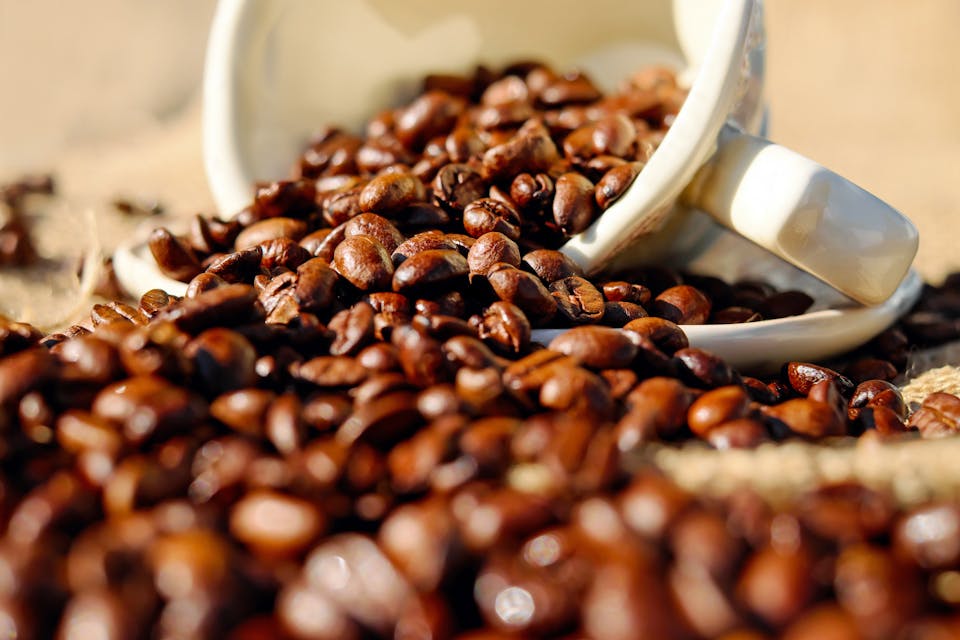
What if your morning cup of coffee could tell a story? A story of volcanic soil, mountain mists, and hands that pick each cherry with care. From the misty highlands of Sumatra to the historic heartlands of Saxony, coffee is no longer just a drink—it’s a journey. A journey of flavor, sustainability, and culture that connects two very different worlds.
Welcome to the story of Sumatra’s sustainable coffee—and how it’s gaining loyal fans all the way in Saxony, Germany.
The Origin: Misty Mountains and Coffee Forests of Sumatra
Sumatra, Indonesia’s westernmost major island, is home to some of the world’s most prized Arabica beans. Grown in regions like Aceh and North Sumatra, Sumatran coffee is known for its full body, low acidity, and earthy, herbal tones. But there’s more than just taste at stake here.
Most coffee farms in Sumatra are smallholder-operated. That means your beans aren’t coming from massive plantations, but from family-run farms, usually less than two hectares in size. These farmers rely heavily on the land not just for profit—but for survival. Which is where sustainability comes into play.
In recent years, climate change, deforestation, and fluctuating coffee prices have threatened the livelihoods of these growers. That’s why a movement has taken root—literally and figuratively—toward sustainable farming practices.
What Makes Sumatra’s Coffee Sustainable?
“Sustainable” isn’t just a trendy buzzword anymore. In Sumatra, it means protecting biodiversity, improving farmers’ welfare, and making sure the land can continue producing quality coffee for generations to come.
Many cooperatives and NGOs have stepped in to help smallholder farmers learn about:
- Agroforestry: Growing coffee under a canopy of shade trees, mimicking a natural forest ecosystem. This protects soil health and prevents erosion.
- Organic Fertilization: Using compost, natural waste, and eco-friendly methods instead of chemical fertilizers.
- Water Conservation: Especially crucial during processing, where methods like “wet hulling” (a common Indonesian technique) can consume vast amounts of water.
Moreover, certifications like Fair Trade and Rainforest Alliance are empowering farmers to get fair prices, access training, and connect directly with international buyers who care about quality and sustainability.
The German Connection: Why Saxony Loves Sustainable Sumatran Coffee
So how did this earthy Sumatran bean make its way into the cups of Saxon cafés and eco-conscious coffee lovers in Leipzig, Dresden, and beyond?
Germany is Europe’s largest coffee importer, but Saxony in particular has seen a boom in specialty coffee culture. Small roasteries are popping up across the region, and many of them are actively looking for ethically sourced beans with a story behind them.
Enter Sumatra.
Saxon roasters are drawn to Sumatran beans not just for their bold, rich flavor—but for their backstory. In a region known for its deep appreciation of craft (from watchmaking to brewing), Saxon consumers are increasingly asking: Where does my coffee come from? Who grew it? And is it doing good for the planet?
That’s where Sumatra shines.
Stories in Every Sip
Some coffee shops in Dresden are now even including QR codes on their bags of beans. Scan one, and you’ll be taken to a mini-documentary about the farmer in Aceh who grew it. You’ll see their farm, their family, and hear about the challenges and triumphs of growing coffee sustainably in a tropical climate.
This kind of traceability isn’t just feel-good marketing—it’s helping to forge human connections across continents. Consumers are more engaged. Farmers feel respected and recognized. And suddenly, coffee becomes more than a drink. It becomes a dialogue.
Challenges in the Supply Chain
Of course, getting coffee from a remote mountain in Sumatra to a roastery in Saxony isn’t easy. There are still challenges to overcome:
- Middlemen and Fair Pricing: Many farmers still rely on middlemen, which can lead to underpayment and lack of transparency.
- Certification Costs: Not every farmer can afford to get Fair Trade or organic certified, even if they’re already farming sustainably.
- Shipping and Carbon Footprint: Coffee is a global commodity, and transporting it across oceans poses its own environmental impact.
That’s why some importers and cooperatives are experimenting with carbon-neutral shipping, direct trade models, and digital traceability systems to create a truly transparent and fair supply chain.
What Saxon Consumers Can Do
If you’re sipping a cup of coffee in Saxony—or anywhere in the world—and wondering how to support this global network of sustainable coffee, here’s what you can do:
- Buy from Local Roasteries: Especially those that prioritize transparency and partnerships with sustainable producers.
- Look for Certifications: Labels like Organic, Fair Trade, and Rainforest Alliance can guide you, though they aren’t the only markers of quality.
- Ask Questions: Don’t be afraid to ask your barista or supplier: “Where is this coffee from? How was it grown?”
- Reduce Waste: Use reusable cups, avoid single-use pods, and consider composting coffee grounds at home.
A Cup That Builds Bridges
In a world that sometimes feels divided, coffee has become a surprising bridge. It links the volcanic slopes of Sumatra with the cobblestone streets of Saxony. It connects rainforest preservation with urban sustainability. It gives small farmers a voice in an international conversation.
The next time you drink a cup of coffee—whether in a hip Leipzig café or a traditional Saxon bakery—remember: you’re not just drinking a flavor. You’re tasting a story. A journey. And maybe even a small act of change.
