


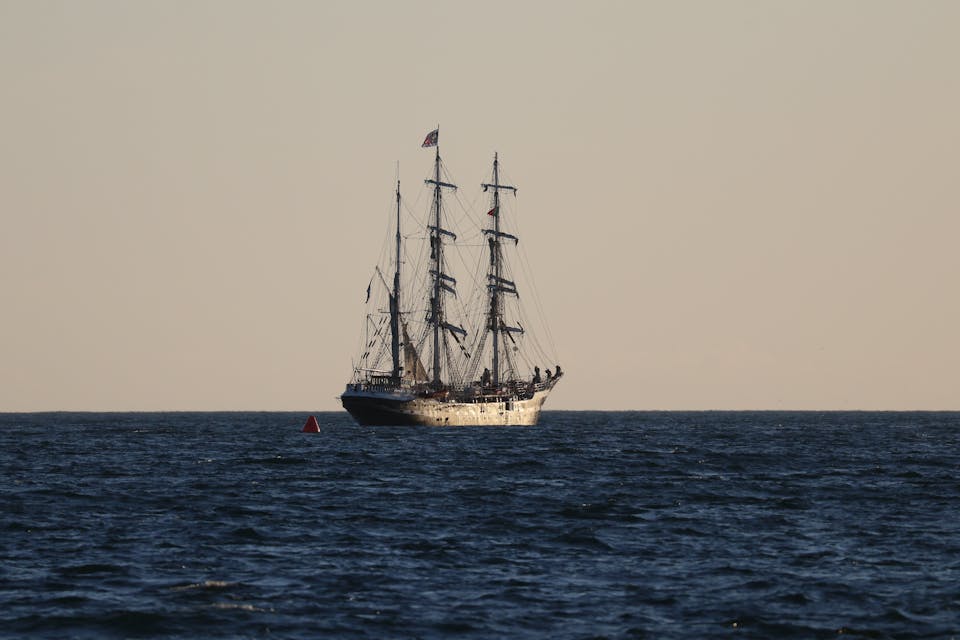
There’s something unexplainably magical about standing by the sea and watching the masts of a tall ship break the horizon. It stirs something deep inside, a mix of curiosity and wonder, history and adventure. That was exactly the feeling echoing through the harbors of Kristiansand, Norway, as the first of 48 massive sailing ships began to arrive. Their towering sails and wooden hulls were not just symbols of nautical mastery—they were the beating heart of a grand celebration. A celebration the Norwegians fondly call “Klart for folkefest,” which translates to “ready for a people’s festival.”
This phrase, simple but powerful, sets the tone for what The Tall Ships Races have become: a full-scale maritime festival that goes far beyond ship racing. It is a celebration of culture, community, youth, and the open sea. And as I watched videos from afar, sipping kopi tubruk in humid Jakarta, I couldn’t help but wonder: what if we could bring that same magic to Indonesia? Or even to the wider coasts of Asia?
The Soul of the Tall Ships Races
Every summer, ports across Europe become the stage for one of the most enchanting international sailing events in the world—The Tall Ships Races. Organized by Sail Training International, the event invites dozens of traditional tall ships to participate in a series of races between port cities, creating not only a thrilling competition but also an opportunity for cultural exchange and human connection.
At the core of the event is youth development. A significant portion of each ship’s crew is made up of trainees, often aged 15 to 25, many of whom have never stepped aboard a vessel before. For them, it’s not just about learning to tie knots or handle sails—it’s about teamwork, communication, and discovering who they are when they’re taken out of their comfort zones.
But the races are only part of the story. Once the ships dock, the ports themselves come alive. In Kristiansand, the vibe is electric. Music echoes from multiple stages, food trucks line the harbor offering everything from waffles to reindeer sausage, and people from every walk of life explore the decks of these mighty ships. Everything is free. Everyone is welcome. This is what “Klart for folkefest” truly means. It’s not just a festival. It’s an invitation.
Could Asia Host a Folkefest of Its Own?
If the Tall Ships Races are about people, the sea, and storytelling, then there may be no better place to imagine a similar festival than Asia. The region is home to some of the richest maritime traditions in the world. From the ancient traders of the Spice Islands to the Bugis sailors of Sulawesi and the dragon boat festivals of southern China, water has always been more than a resource here—it is a way of life.
Indonesia in particular is a nation of over 17,000 islands. Our ancestors were sailors, navigators, and shipbuilders. The legendary pinisi schooners from South Sulawesi are living proof that we know how to craft beauty and resilience into a sailing vessel. So why aren’t we doing more to celebrate that?
Imagine a harbor festival in Makassar or Ambon, where pinisi ships and modern sailing vessels line the docks. Imagine schoolchildren boarding KRI Dewaruci, Indonesia’s very own tall ship, eyes wide with wonder. Picture local musicians playing traditional sea shanties while food vendors serve up grilled fish wrapped in banana leaves. Imagine an event that teaches young Indonesians not only how to sail, but how to honor the ocean that has always cradled our story.
Learning from Kristiansand
Back in Norway, the success of the Tall Ships Races isn’t just about the ships. It’s about preparation, collaboration, and vision. Kristiansand didn’t just wait for the ships to arrive—they built an entire ecosystem of culture around the event. They trained hundreds of local volunteers, involved schools in maritime education, and hosted sustainability workshops onboard the ships. The result? An event that wasn’t just entertaining, but meaningful.
They didn’t shy away from going big either. With more than 500,000 visitors expected in some host cities, Tall Ships Races has become a major tourism magnet. Hotels are booked out. Restaurants are full. And perhaps most importantly, people leave with their hearts a little more open to the world.
Asia can take notes from this. Our festivals are rich in color, music, and food, but sometimes we forget to include the educational and cultural depth that makes them stick in people’s memories. What Kristiansand teaches us is that a maritime festival is not just a party—it’s a platform. A platform to teach, to connect, to grow.
An Invitation Across Oceans
So, here’s a question: what if we sent invitations? Not just to tourists, but to the ships themselves? What if in five years, Ambon became a port stop on a new leg of the Tall Ships Races, reimagined for the Asia-Pacific? What if young Indonesians trained on Dutch or Norwegian vessels, and young Europeans trained on pinisi boats? That’s not just cultural exchange—that’s legacy-building.
Of course, it would take planning, infrastructure, and a bit of daring. But isn’t that the spirit of sailing? Facing the unknown with courage and hope?
From Klart for folkefest to Siap untuk Pesta Rakyat
As I watched the footage of Kristiansand welcoming the world with sails and songs, I couldn’t help but smile. “Klart for folkefest” is more than a phrase. It’s a spirit. And it’s one I believe Asia is more than ready to embrace.
In our own words, we might call it “Siap untuk pesta rakyat.” The concept is the same: open arms, open seas, open hearts. Whether it’s the Norwegian coast or the shores of Sulawesi, the sea connects us. And through that connection, we find the stories that make us human.
So here’s to the ships, the dreamers, the young sailors, and the port cities brave enough to believe that the sea can bring us closer. May the wind be always in our favor—and may our festivals always be for the people.
We are, after all, klar for folkefest.
