



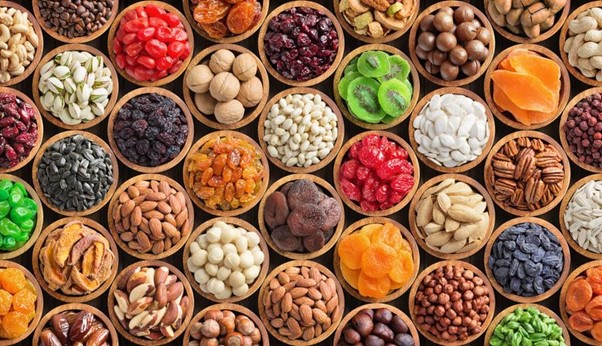
In the medium to long term, Europe’s market for dried tropical fruits is projected to grow steadily at a rate of 5–7% annually. This growth is largely driven by changing consumer habits in Europe, including increasing demand for healthy snack options and declining consumption of sugary treats. Key markets such as the UK, Germany, France, the Netherlands, Belgium, and Italy offer valuable opportunities for suppliers from developing countries.
Indonesia, as a tropical country with a rich variety of fruits, holds strong potential in this sector. But how do you find buyers or reliable importers from Europe? Here’s everything you need to know.
What Are Dried Tropical Fruits?
Dried tropical fruits are products made from ripe fruits that naturally grow in tropical regions. These fruits are processed by drying, either through sun-drying or other dehydration methods—with or without added sweeteners (such as cane sugar) or food additives.
Another common method is soaking the fruit in syrup before drying, resulting in a sweeter, more shelf-stable product. This is often done for soft fruits like papaya and pineapple.
The most popular dried tropical fruits in Europe include dried bananas, mangoes, pineapples, and papayas. Other varieties like guava, star fruit, durian, rambutan, passion fruit, jackfruit, and dragon fruit are also gaining popularity.
These dried fruits are consumed as snacks at home or used in cooking, served in hotels and restaurants, or processed in the food industry for baked goods, candy, cereal mixes, and breakfast products.
Why Is Exporting Dried Tropical Fruits to Europe Promising?
The import volume of dried tropical fruits in Europe has seen an average annual growth of 7%, excluding 2019 due to COVID-19 disruptions. The demand for dried mango and dried pineapple has been consistently increasing.
Almost all imports into Europe come from developing countries. In the next five years, the market is expected to continue growing at 5–7% annually. Regular fluctuations in import volumes are more often due to harvest yields and price changes rather than consumer demand shifts.
Market Segments for Dried Tropical Fruits in Europe
1. Snack Segment
About 40% of dried tropical fruits imported into Europe are sold as snacks. Although demand for naturally dried fruits—especially mango—is growing, the market is still largely dominated by sweetened dried fruits.
Dried mango is currently the most popular tropical fruit exported to Europe, followed by dried pineapple. The snack segment is primarily served by repacking companies that import bulk dried fruit and package it for retail. Many of these companies create private-label products for European supermarkets, while a few also market their own brands.
2. Ingredient Segment
The breakfast cereal industry is one of the top consumers of sweetened dried tropical fruits. As consumer demand shifts toward lower-sugar options, more cereal producers are expected to use fruits dried with natural fruit juice concentrates rather than sugary syrups.
The confectionery industry uses diced tropical fruits for sweet snacks, while new product formulations are introducing chocolate-coated or glazed dried fruits.
Bakeries use raw dried tropical fruit pieces in pastries, cookies, and cakes. Sweetened varieties—such as dried mango, papaya, and pineapple—are still commonly used.
Dried fruit bars are becoming increasingly diverse, with organic options gaining traction, particularly in Germany. Some bars use whole dried fruit as the primary ingredient, while others are based on dried fruit purée.
The dairy industry incorporates dried tropical fruits into processed ingredients for tropical-flavored ice cream and fruit yogurts.
How Do Dried Tropical Fruits Enter the European Market?
1. Importers/Wholesalers
Most European importers also function as wholesalers, selling to repackaging companies or directly to food service and retail channels. Some importers have their own processing and packing facilities, enabling them to serve large supermarket chains directly.
Importers are valuable partners because they deeply understand the European market and developments in producing countries. Their market insights and export guidance are essential for new exporters. Many also import other dried fruits and nuts, giving exporters a competitive edge by offering a broader product range.
Retailers apply significant pressure on importers and food manufacturers, demanding not just competitive prices but also added value in terms of sustainable, organic, or fair-trade products. Transparency in the supply chain is crucial, with many importers implementing their own codes of conduct and building long-term partnerships with reliable suppliers.
2. Dried Fruit Packers
Many leading dried fruit brands in Europe import directly. For new exporters, establishing long-term relationships with such companies can be challenging, as they often work exclusively with trusted suppliers. Established importers conduct regular audits and visits to producing countries.
To enter the market, new suppliers typically must match or exceed existing quality standards while offering lower prices. Repackers often require compliance with strict ethical standards due to the pressure they face from retailers.
3. Agents/Brokers
Agents involved in the dried tropical fruit trade typically operate as intermediaries, negotiating deals on behalf of clients and connecting buyers with sellers. They usually charge a commission of 2–4% of the selling price.
Some agents also participate in private-label procurement for retail chains. Due to the demanding nature of these tenders, many exporters from developing countries find it difficult to compete without broker support. Agents often work closely with their suppliers to meet European retail specifications.
Notable European brokers include Kenkko (UK), HPM Warenhandelsagentur (Germany), MW Nuts (Germany), and QFN (Netherlands).
4. Retailers
Retailers seldom purchase directly from exporters in developing countries. However, retail is becoming more polarized, with growth in both the discount and premium segments.
Natural dried tropical fruits have traditionally been available in premium retail segments. Recently, major discount chains like ALDI (with its “Simply Nature” brand) and Lidl (with the “Alesto” range) have also begun offering dried mango and pineapple.
Leading food retail groups in Europe include Schwartz Gruppe (Lidl, Kaufland), Carrefour, Tesco, Aldi, Edeka, Leclerc, Metro Group, Rewe Group, Auchan, Intermarché, and Ahold (Delhaize, Albert Heijn, etc.).
5. Food Service Companies
Food service channels such as hotels, restaurants, and catering companies typically receive supplies from specialized importers or wholesalers. They often require bulk packaging between 1 kg and 5 kg, which differs from consumer retail formats.
Trends driving demand in the food service sector include global cuisine, healthy eating, and gourmet experiences. The fastest-growing types of establishments are fast-casual restaurants, street food vendors, pop-up dining spots, and international or health-focused eateries.
Who Are the Key Importers of Dried Tropical Fruits?
United Kingdom
In the UK, most dried tropical fruits are sold as snacks. Private-label supermarket brands like Tesco, Sainsbury’s, ASDA, and Morrisons dominate the market, usually sourcing through local packers and European brands rather than importing directly.
Leading brands include Whitworths, Forest Feast, Crazy Jack, and Tree of Life. Dried fruits are also increasingly used in fruit bars (like Fruit Doctor) and breakfast cereals (like Dorset Cereals). Innovative products include fruit rolls and crispy fruit snacks.
The Netherlands
The Netherlands is the largest importer of dried bananas (banana chips) in Europe, with Ecuador as the main supplier. In 2019, the country imported 2,200 tonnes, more than half of Europe’s total. Over 90% of this volume is re-exported to other European countries, primarily Germany.
Supermarkets like Albert Heijn and Jumbo, health stores like Holland & Barrett, and discount chains like Lidl sell most of the locally traded dried tropical fruits.
The Netherlands also leads in organic imports, with companies like Tradin Organic importing organic banana, mango, and papaya. Brands like Smaakt, Lucy Superfood, and Horizon offer specialty organic dried fruits.
Germany
Germany is the largest organic food market in Europe, making it a key target for organic dried tropical fruit exports. There’s a growing demand for unsweetened and preservative-free dried fruits.
The fruit bar segment is expanding rapidly, with brands like Lubs, Alnatura, and DM offering products with dried tropical ingredients—though some use fruit purée instead of whole dried fruit.
Popular German dried fruit brands include Seeberger, Farmer’s Snack, Kluth, and MorgenLand. Tropical fruits are also key ingredients in breakfast cereals, with sugar-added varieties still more common than unsweetened ones. However, the latter is expected to gain market share soon.
France
In France, private-label brands from large retailers like Carrefour and Auchan are dominant. Independent brands such as Maître Prunille and Brousse Vergez also have strong market presence. Organic brands like Juste Bio and Daco Bello are popular in the organic segment.
Dried tropical fruits are often sold loose or in clear retail packaging, with some blends marketed for DIY muesli. Supermarket brands in France now use Nutri-Score labels on dried mango, typically rated “C” for average nutrition. Muesli with dried tropical fruits may earn a higher “A” score depending on the recipe.
While many dried tropical fruits in France are re-exported via the Netherlands, an increasing number of companies now source directly from producers. Companies like Agro Sourcing and Direct Producteurs Fruits Secs are investing in ethical sourcing and supporting local communities in developing countries.
Final Thoughts
Exporting dried tropical fruits to Europe is a highly promising opportunity, especially for producers in tropical countries. The demand for high-quality, healthy, and ethically produced fruits continues to grow. With proper market research, reliable supply chain practices, and attention to consumer preferences, exporters can successfully tap into this expanding market.
Indonesia, with its vast biodiversity and tropical resources, is more than capable of competing with countries like the Philippines and Thailand. With the right strategy, tropical dried fruit products from Indonesia can gain a solid foothold in the European market.
