



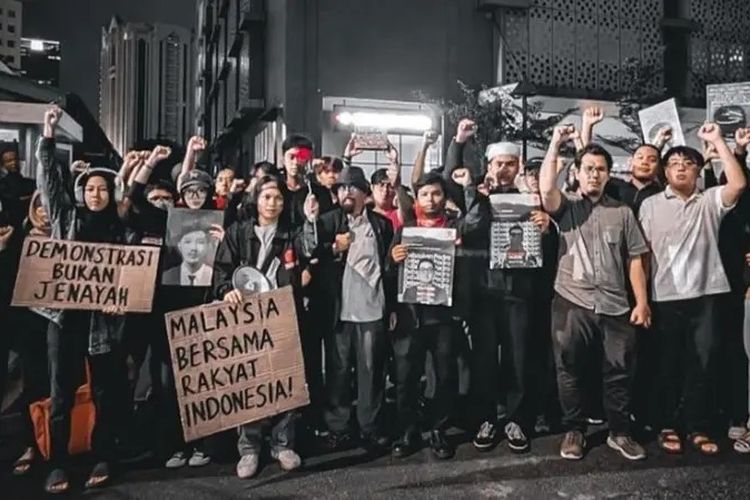
A wave of solidarity has emerged across Southeast Asia in response to ongoing protests in Indonesia, where thousands have taken to the streets demanding justice, better wages, and government accountability. From August 25 to 31, 2025, rallies were held in major Indonesian cities, fueled by anger over inequality and corruption. The movement reached a turning point on August 28, when an online motorcycle taxi driver, Affan Kurniawan, died after being struck by a police tactical vehicle.
The tragedy sparked regional outrage, resonating with citizens in Malaysia, the Philippines, Singapore, Brunei Darussalam, and Thailand, who saw parallels with their own struggles against systemic injustice. Social media quickly amplified the cause, spreading the hashtag #SEAblings in pink, green, and blue hues, now symbols of resistance.
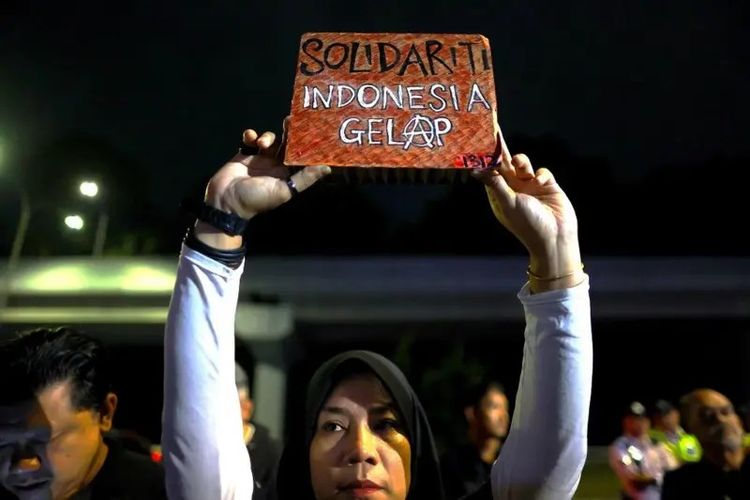
In Kuala Lumpur, a group calling itself Mandiri Malaysia staged a demonstration outside the Indonesian Embassy on September 2. Amir Hadi, the group’s executive director, described the protest as an act of solidarity:
“We feel connected not just by language and culture, but by shared histories and struggles. Even if sometimes we clash over football or cultural products, at the core we are brothers and sisters,” Amir said.
Malaysia itself is grappling with systemic injustice, including the recent death of Zara Qairina from school bullying linked to state failures. “These factors make us feel close to what Indonesians are experiencing,” Amir added.
Cross-Border Acts of Humanity
Solidarity was not limited to rallies. Acts of kindness emerged online, where Southeast Asian citizens began ordering food and drinks through Indonesian ride-hailing apps to support drivers involved in the protests. The initiative started when Yammi, a Thai social media user, posted instructions on how to order meals for Jakarta-based drivers. Her post went viral, sparking donations from Singapore, Malaysia, the Philippines, and Brunei.
Tara, a 34-year-old from Cebu, Philippines, joined the movement after recalling her positive experiences with online motorcycle taxis during her travels in Indonesia.
“They were always kind and welcoming. Sending food is the least I can do,” Tara told BBC News Indonesia.
Despite language barriers, Tara used translations to coordinate orders not only in Jakarta but also in Bali and Makassar. She noted that support has even come from Japan, Sweden, and the United States.
Local Drivers Thankful
For Indonesian drivers, the support has been life-saving. “Orders have been quiet, so this really helps us,” said Taufik, a driver in West Jakarta, who received solidarity orders delivered to a Jakarta hotel.
According to Kompas.com, social media platforms like TikTok and Instagram played a crucial role in spreading awareness, even when language gaps made communication difficult. Viral threads translated protest updates into English and other languages, making the Indonesian struggle more accessible worldwide.
Shared Struggles Across Borders
The protests in Indonesia echo frustrations in neighboring countries, where citizens also face corruption, inequality, and repression. In the Philippines, Tara admitted that mass movements have dwindled after past violence left people afraid to speak out. Still, she finds inspiration in Indonesia’s collective courage:
“Seeing Indonesians united against corrupt politicians motivates us. Maybe one day, Filipinos will also come together like this,” she said.
Diaspora Joins the Movement
Indonesian diaspora communities worldwide have also joined the cause. From New York to Melbourne, Canberra to London, rallies have been organized to demand justice for victims of police violence and systemic reform. At Federation Square in Melbourne, hundreds of Indonesians chanted “The people united will never be defeated!” while reading poetry and issuing a joint statement to President Prabowo Subianto and Indonesian lawmakers.
Their demands include halting police brutality, releasing detained protesters, conducting independent investigations into killings, and reforming the police force. In Berlin and The Hague, Indonesian students and communities have planned further demonstrations in the coming days.
The Role of Social Media
Digital culture experts argue that social media has transformed these protests into a transnational movement. Firman Kurniawan, a cultural observer, described the solidarity as a manifestation of the “network society.”
“Just like the Arab Spring or Occupy Wall Street, emotions of anger and empathy are transmitted in real time across borders. Social media doesn’t just amplify movements; it humanizes them,” Firman explained.
By highlighting the story of Affan Kurniawan and other victims, platforms have mobilized sympathy far beyond Indonesia. This emotional connection, Firman argues, has turned solidarity into direct action, whether through street protests, diaspora activism, or digital donations.
A Regional Awakening?
What began as protests over wages and jobs has become a broader movement against corruption and systemic injustice, uniting people across borders. From Jakarta to Kuala Lumpur, from Cebu to Melbourne, the message is clear: Southeast Asia is watching — and standing together.
