



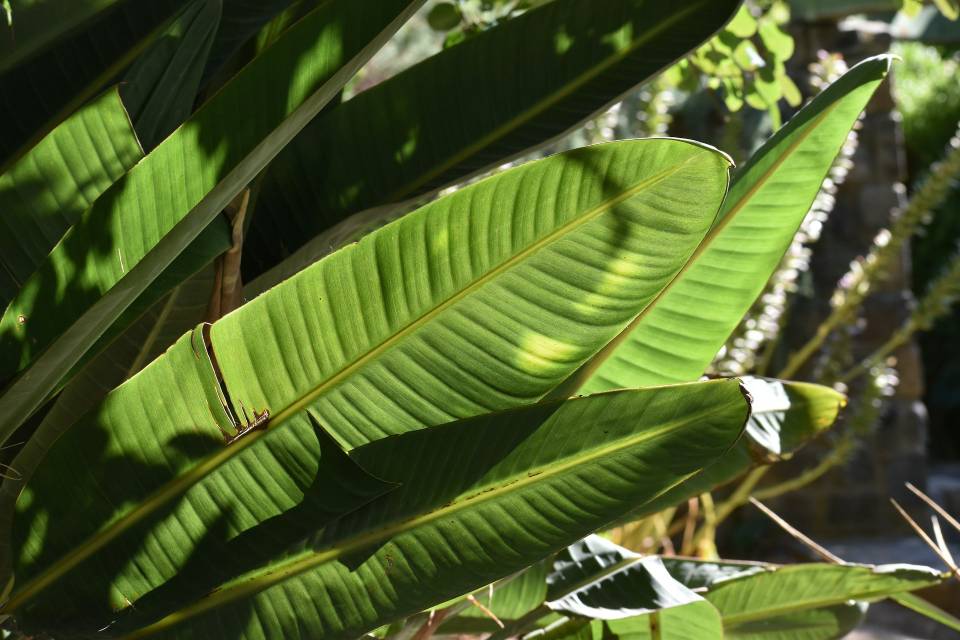
Banana leaves might seem like something ordinary if you live in Indonesia. They’re part of everyday life—used to wrap food, line baskets, or even serve as makeshift plates during big family gatherings. But step outside of the local context, and banana leaves transform into something exotic, valuable, and highly sought after in international markets.
In recent years, banana leaves from Indonesia have started attracting serious attention from overseas buyers. From food packaging to cosmetics, and even eco-friendly lifestyle products, the uses of banana leaves go far beyond what we might imagine at home. With abundant production across Indonesia’s fertile soils, the country has the potential to lead the global supply of this unique agricultural product.
So, where exactly are these banana leaves heading, and why are countries willing to pay premium prices for them? Let’s dive into the story of Indonesian banana leaf exports and the international markets that crave them.
The Surprising Global Appeal of Banana Leaves
To understand why banana leaves are valuable, you first need to look at what they represent: sustainability, authenticity, and tradition. In an era where the world is moving away from plastics, banana leaves have become a natural alternative for food packaging and eco-friendly goods.
Countries with strong culinary cultures, such as Japan and India, see banana leaves as an essential element in food preparation. They’re not only used to wrap dishes but also to infuse flavor and aroma into meals. Meanwhile, in Western countries like Germany and the United States, banana leaves are marketed as exotic, sustainable, and stylish—perfect for niche markets like vegan dining, organic beauty products, and eco-conscious lifestyles.
The demand is so high that in some places, individual banana leaves are sold at prices that would make Indonesian farmers raise their eyebrows. For example, in Japan, a single banana leaf can cost the equivalent of 200,000 rupiah. That’s a huge leap from its humble role in traditional food stalls across Indonesia.
The Case of a Village Exporter: From Local to Global
One inspiring story that highlights this trend is that of Dewi Harlas, a housewife from a small Indonesian village who successfully tapped into the global banana leaf market. Through dedication and persistence, she managed to export up to 250 kilograms of banana leaves to Australia.
Her journey isn’t just a personal success—it represents the untapped potential for small businesses and farmers across the country. If someone in a rural area can connect with international buyers, imagine what could happen with more structured supply chains, government support, and better marketing strategies.
This grassroots-level success is proof that banana leaf exports are not just possible but profitable, even for micro, small, and medium enterprises (MSMEs).
Japan: A Market Driven by Culture and Innovation
Japan is one of the most promising markets for Indonesian banana leaves, and the reasons are deeply tied to culture. The Japanese use banana leaves in multiple ways—from food wrapping to artistic practices like ikebana, the traditional art of flower arrangement. While ikebana historically relied on flowers and branches, modern styles have incorporated banana leaves for their texture and vibrant green color.
Beyond art, Japanese consumers also value banana leaves for their medicinal and herbal properties. Rich in antioxidants and natural compounds, banana leaves are believed to help reduce inflammation and fever. This dual use—culinary and medicinal—creates consistent demand in the Japanese market.
But here’s the catch: Japan has strict agricultural import standards. Leaves must be fumigated, free of pests, and cut to specific sizes. Meeting these requirements is challenging but rewarding, as the Japanese market is willing to pay a premium.
Australia: Sustainability Takes Center Stage
Australia presents a unique opportunity for banana leaf exports, particularly because of the country’s strong eco-conscious culture. Australians are increasingly rejecting single-use plastics and searching for biodegradable alternatives. Banana leaves fit perfectly into this trend, serving as natural wrappers, disposable plates, and even raw material for artisanal crafts like bags, hats, and decorative items.
The Australian market also shows interest in using banana leaf extracts for skincare and cosmetic products. With a strong beauty industry that emphasizes natural ingredients, banana leaf-based products could carve out a profitable niche.
What makes Australia even more attractive is that the market is relatively untapped. Despite having clear demand, there hasn’t been much consistent export from Indonesia to Australia. That gap represents a golden opportunity for exporters who can step in early and build reliable supply chains.
The United States: Exotic Meets Premium
In the United States, banana leaves are marketed as something exotic and luxurious. High-end restaurants serving Southeast Asian or Latin American cuisine often use banana leaves to recreate authentic dishes, from tamales to grilled fish. For these establishments, banana leaves are not just packaging but part of the dining experience.
Beyond food, banana leaves in the U.S. also appeal to health-conscious and eco-friendly consumers. The booming wellness industry is constantly on the lookout for natural, plant-based materials, whether for packaging, herbal remedies, or skincare.
Currently, Indonesia’s banana leaf exports to the U.S. are still underutilized. Despite potential trade values reaching into the millions, the actual volume remains low compared to demand. This means exporters have room to grow, especially if they can navigate the regulatory landscape and partner with distributors who understand niche ethnic markets.
The Middle East: Practical and Religious Uses
Countries in the Middle East, particularly Saudi Arabia, also represent an important market. Banana leaves are valued there primarily for food-related uses. They are often used during community gatherings, weddings, and religious events as eco-friendly, large-scale food wrappers.
In Saudi Arabia, the demand for halal-certified and natural products gives Indonesian banana leaves a strong edge. Since the leaves are considered pure, clean, and biodegradable, they align perfectly with cultural preferences. On top of that, the pricing is far more accessible for middle-class consumers compared to premium markets like Japan or the U.S., which means volume-driven exports could thrive here.
Germany and the European Market: The Sustainability Angle
Europe, with Germany at the forefront, is another region showing strong demand for banana leaves. European consumers are increasingly drawn to sustainable, natural products as part of the continent’s wider push toward green living. Banana leaves are used not only in ethnic restaurants but also in eco-friendly packaging solutions, from food delivery to artisanal products.
Germany, in particular, has a growing vegan and vegetarian population, which makes banana leaves appealing for both culinary and lifestyle applications. With food trends emphasizing authenticity and eco-consciousness, banana leaves check both boxes.
The challenge for European markets, however, lies in logistics. Ensuring the freshness and quality of banana leaves over long shipping times requires investment in cold storage, proper packaging, and efficient supply chains. Still, for exporters who can solve these logistical hurdles, the market potential is immense.
Quality Standards: What Exporters Need to Know
Exporting banana leaves is not as simple as harvesting and shipping them abroad. International buyers have strict requirements. Typically, only leaves from certain banana varieties like Pisang Batu, Pisang Kepok, or Pisang Raja are accepted for export.
Leaves must be at least 100 centimeters long, free of tears or blemishes, and not too old or too young. They also need to undergo fumigation to eliminate pests, viruses, or bacteria. Any failure to meet these standards can result in shipments being rejected at the border, which is costly for exporters.
This is why many successful exporters invest in training farmers, establishing quality control systems, and working closely with agricultural cooperatives to ensure consistency.
Unlocking the Potential: Strategies for Growth
Indonesia already has the raw resources and global demand on its side. The next step is to optimize the export system. This includes strengthening farmer networks, improving logistics, and enhancing marketing strategies to showcase banana leaves not just as raw agricultural products but as lifestyle and sustainability solutions.
Digital platforms and e-commerce can also play a role. By connecting directly with international buyers, Indonesian farmers and MSMEs can bypass middlemen and capture more of the profit margin. Government policies and export facilitators, meanwhile, need to provide training, subsidies, and easier access to export permits.
From Local Tradition to Global Commodity
What used to be a humble, everyday material in Indonesian kitchens is now carving out a spot in international trade. From Japan’s ikebana and culinary traditions to Australia’s eco-conscious packaging, from the U.S.’s premium dining scene to Germany’s sustainability-driven markets, banana leaves are proving to be more than just agricultural waste. They are a global commodity with rising value.
For Indonesia, the challenge—and opportunity—lies in scaling production without losing quality. With smart strategies, collaboration, and innovation, banana leaf exports could become not only a profitable business but also a symbol of how traditional resources can thrive in a modern, globalized economy.
