



When you think of luxury coffee, chances are Kopi Luwak comes to mind. This Indonesian specialty, often referred to as civet coffee, has fascinated coffee enthusiasts around the globe not just for its rich and smooth taste, but also for its unusual and elaborate production process. Unlike any other coffee in the world, it involves the natural selection and digestion process of a small animal known as the Asian palm civet, or luwak.
With its cultural roots, rarity, and craftsmanship, Kopi Luwak is far more than just a drink—it is an experience steeped in tradition, history, and an unmistakable connection to Indonesian soil. Let’s dive into the world of civet coffee, from its curious origins to how it’s made, and why it continues to capture the imagination of coffee lovers everywhere.
What Is Kopi Luwak?
At its core, Kopi Luwak is a type of coffee bean that has been eaten, digested, and naturally fermented inside the stomach of the civet before being collected, cleaned, and roasted. This process is what gives the coffee its signature smoothness, low acidity, and complex flavor profile that can’t be replicated by other means of fermentation.
The civet plays an important role in the production of this coffee. As a naturally selective eater, it only chooses the ripest, sweetest coffee cherries from the trees. Once digested, the beans are passed through its system, where enzymes break down proteins that are usually responsible for bitterness. The result is a coffee bean with reduced bitterness and enhanced aroma.
Despite its unusual production process, Kopi Luwak has been scientifically recognized for containing antioxidants and around 1–2% caffeine by weight—comparable to other specialty coffees but with a distinctive profile. For coffee enthusiasts, that means a cup that’s as energizing as it is flavorful.
Why Is Kopi Luwak So Expensive?

The exclusivity of Kopi Luwak is not only tied to its flavor but also to its scarcity. A civet can only consume a limited amount of coffee cherries each day, and the collection of beans from its droppings is labor-intensive and time-consuming. Unlike large-scale commercial coffee production, this process is inherently limited by nature.
Another factor contributing to the high cost is the careful handling required during cleaning and processing. Farmers must ensure the beans are meticulously washed and dried before roasting to maintain both hygiene and quality. This laborious process, combined with the unique role of the civet, has turned Kopi Luwak into one of the most expensive coffees in the world.
For many, owning or tasting Kopi Luwak isn’t just about drinking coffee—it’s about savoring an exclusive product that represents both luxury and tradition.
The Origins of Kopi Luwak
The story of Kopi Luwak dates back to Indonesia during the Dutch colonial period in the 18th century. Local farmers working on Dutch-owned coffee plantations were forbidden from consuming the beans they harvested. However, they soon discovered that civets, which roamed freely on the plantations, were eating the coffee cherries and leaving behind undigested beans in their droppings.
Out of curiosity and necessity, these farmers cleaned, roasted, and brewed the discarded beans—and the result was astonishingly smoother and more flavorful than the standard coffee of the time. Word spread quickly, and even the Dutch colonists became intrigued by this peculiar yet superior coffee.
Over time, Kopi Luwak gained recognition not just as an oddity but as a prized beverage, symbolizing both ingenuity and the cultural richness of Indonesian coffee traditions. Today, it continues to be produced across several regions of Indonesia, including Sumatra, Java, Bali, and Sulawesi, with smaller production also taking place in neighboring countries like Vietnam and the Philippines.
Flavor Profile of Kopi Luwak
So what does Kopi Luwak actually taste like? For many, the flavor is what truly sets it apart. Unlike regular coffee, which can sometimes taste sharp or acidic, Kopi Luwak is famously smooth, earthy, and slightly sweet. It often carries floral notes and a mild chocolate undertone, with a lingering finish that feels refined and sophisticated.
Coffee enthusiasts often describe it as a delicate balance between richness and subtlety. It’s not overpowering but rather nuanced, offering layers of flavor that unfold with each sip. The fermentation process inside the civet’s digestive tract not only softens the bitterness but also enhances the aroma, making the experience both aromatic and palatable.
This unique taste profile is why Kopi Luwak is often reserved for special occasions or enjoyed as a rare indulgence rather than an everyday cup of coffee.
Is Kopi Luwak Safe to Drink?
It’s natural to wonder about the safety of a coffee that comes from an animal’s digestive system. The good news is that when processed properly, Kopi Luwak is perfectly safe for consumption. After collection, the beans are thoroughly cleaned with fresh water, dried in the sun, and often sterilized with modern techniques such as UV treatment to eliminate bacteria.
The roasting process further ensures safety, as high temperatures kill any remaining microorganisms. Ultimately, the final product is just as clean and safe as any other roasted coffee bean.
However, ethical concerns have been raised in recent years regarding civet welfare, especially in farms where animals are caged and force-fed. Authentic, ethically sourced Kopi Luwak is made by collecting beans from wild civets, ensuring that the animals live freely and naturally select the cherries. Consumers are encouraged to choose suppliers who follow ethical and sustainable practices, both for quality and animal welfare reasons.
The Production Process of Kopi Luwak
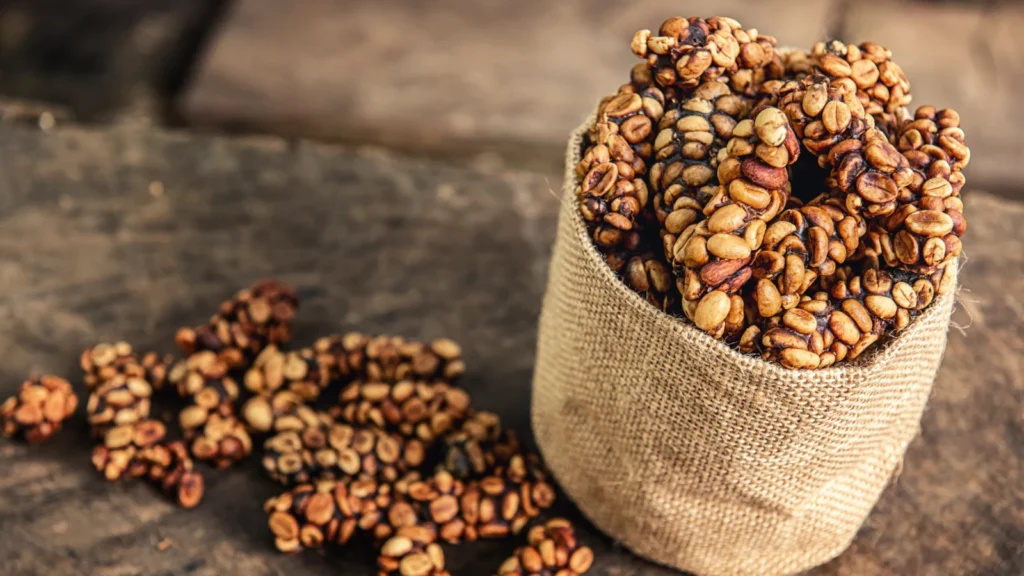
Producing Kopi Luwak is a labor of patience, precision, and respect for nature. Each step plays a vital role in shaping the final cup:
1. Selection by the Civet
The process begins when civets roam coffee plantations at night, eating only the ripest cherries. Their instinctive selection ensures that only the highest-quality beans begin the journey.
2. Natural Fermentation
Once consumed, the cherries pass through the civet’s digestive system, where fermentation takes place. Enzymes alter the beans at a molecular level, breaking down proteins and giving the coffee its smooth, distinct taste.
3. Collection and Cleaning
Farmers collect the beans from the civet droppings, often in remote or challenging terrain. The beans are then washed several times to remove impurities and dried until they reach the right moisture content.
4. Roasting
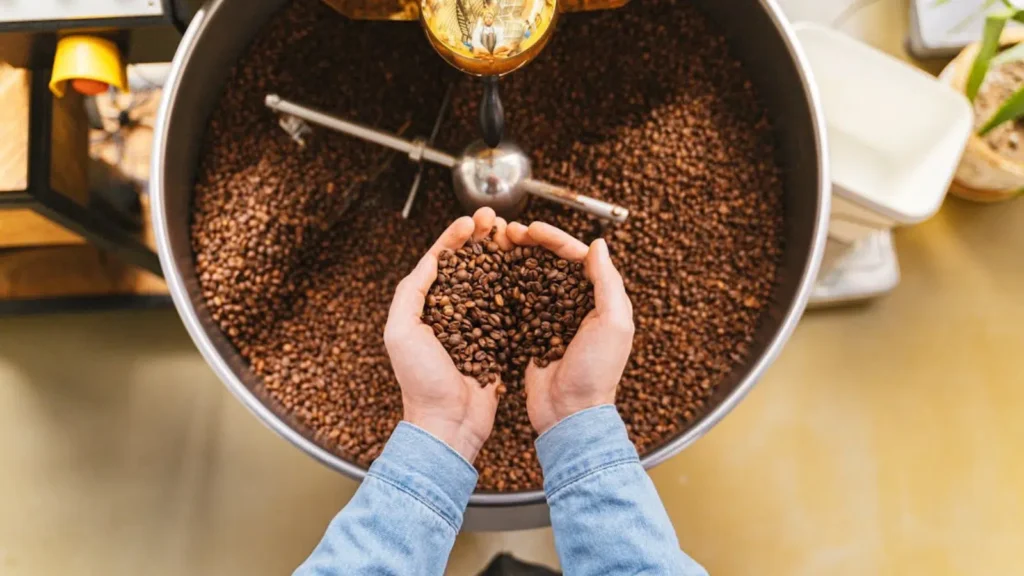
Finally, the beans are roasted at carefully controlled temperatures. The roast level—whether light, medium, or dark—can further influence the flavor profile. Professional roasters often prefer medium roasts for Kopi Luwak, as it highlights the coffee’s natural smoothness and aroma.
The result is a bean that has undergone one of the most unique journeys in the coffee world, ready to be brewed into a luxurious cup.
Brewing Kopi Luwak at Home
For those lucky enough to have Kopi Luwak beans at home, brewing it properly is essential to appreciate its unique flavor. Unlike regular coffee, this is a bean that deserves care and attention.
First, grind the beans just before brewing to preserve freshness. The grind size should match your brewing method—coarse for French press, medium for pour-over, and fine for espresso. Using fresh, filtered water is key, and the ideal water temperature should be between 90–96°C (195–205°F). This allows optimal extraction without burning the beans.
A good rule of thumb for ratio is 1 gram of coffee to 15 grams of water. For example, a 20-gram dose of coffee would pair with 300 grams of water. The result should be a clean, balanced cup that highlights the natural sweetness and floral aroma of Kopi Luwak.
While French press and pour-over are the most recommended methods for showcasing its unique flavors, espresso machines can also produce a bold, concentrated cup. Whichever method you choose, the key is to let the coffee speak for itself—without overcomplicating the process.
Kopi Luwak and Its Cultural Significance
Beyond its taste and rarity, Kopi Luwak holds cultural weight in Indonesia. It reflects the resourcefulness of local farmers during colonial times and continues to be a source of pride for communities that produce it today. Serving a guest Kopi Luwak is often seen as a gesture of respect and hospitality.
Internationally, the coffee has sparked both fascination and controversy. While some see it as a symbol of luxury and status, others raise concerns about animal welfare and commercialization. These conversations highlight the importance of transparency in the industry and the need for sustainable, ethical practices that protect both wildlife and tradition.
A Coffee Like No Other
Kopi Luwak is not your everyday cup of coffee—it is an extraordinary blend of nature, tradition, and craftsmanship. From the civet’s instinctive selection to the careful hands of farmers and roasters, every stage contributes to its uniqueness.
Whether you view it as a luxury indulgence, a cultural treasure, or a curiosity, one thing is certain: Kopi Luwak tells a story that no other coffee can. It embodies the history of Indonesian resilience, the artistry of coffee production, and the delicate balance between humans, animals, and nature.
If you ever get the chance to try a cup, sip it slowly. Appreciate not just the flavor, but the remarkable journey that brought it to your cup.
