



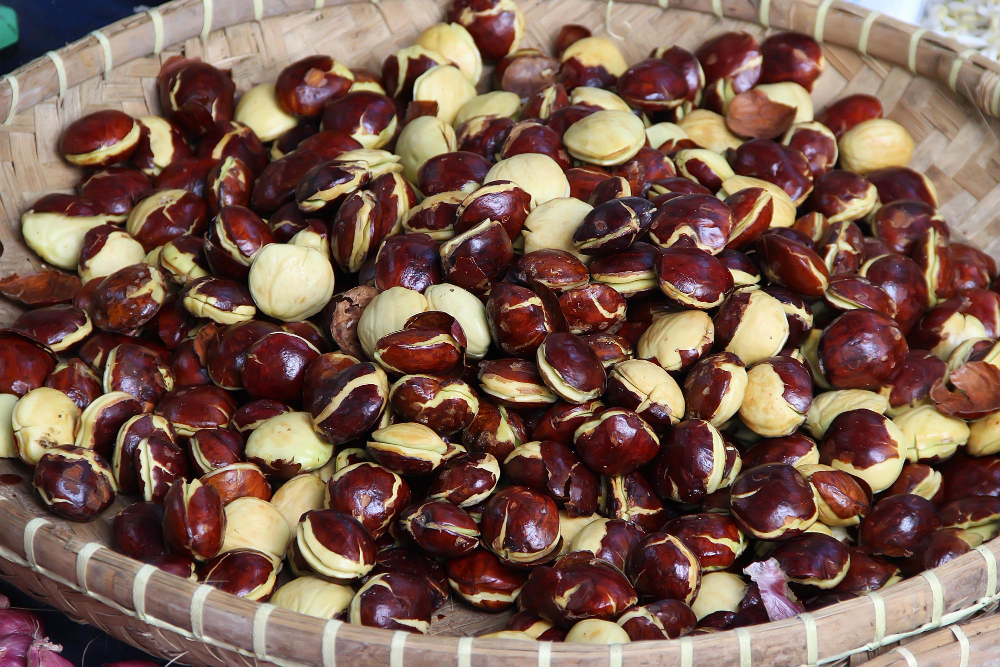
At first whiff, you might turn away. But make no mistake—jengkol, also known internationally as dogfruit (Archidendron pauciflorum), is gaining serious attention on the global stage. Native to Southeast Asia and famous for its bold, unforgettable smell, this humble legume is quietly becoming one of Indonesia’s most intriguing export commodities.
Once considered just a strong-smelling local delicacy, jengkol (dogfruit) is now being reimagined as a valuable product for niche international markets, especially across Asia and regions with Southeast Asian diaspora.
From Local Legend to Global Curiosity
In Indonesia, jengkol is as divisive as durian—people either love it or hate it. Common in Sumatra and Java, it’s often cooked in spicy stews or fried for a crispy bite. But beyond the flavor, jengkol is packed with plant-based protein and essential amino acids, making it a nutritional powerhouse.
Interestingly, jengkol grows widely in Southeast Asia, including Malaysia, Thailand, Myanmar, Laos, the Philippines, and even Nepal. But Indonesian-grown jengkol, known for its quality and traditional farming roots, is becoming especially attractive for export.
In 2020, Indonesia recorded $4.7 million in jengkol exports, a relatively small figure compared to other vegetables—but the momentum is picking up. With post-pandemic recovery in focus, many government programs are pushing underdog commodities like jengkol into new international markets.
7 Countries Where Jengkol Has Serious Export Potential
Based on data from the Export Potential Map, here are the top countries that could be hot markets for Indonesian jengkol (dogfruit) exports:
- Japan
- Export potential: $6.7 million
- Actual exports: $12 million
- Total frozen vegetable imports: $531 million
- United States
- Export potential: $2.1 million
- Actual exports: $0
- Total frozen vegetable imports: $811 million
- South Korea
- Export potential: $892K
- Actual exports: $23K
- Australia
- Export potential: $359K
- Actual exports: $21K
- Belgium
- Export potential: $350K
- Actual exports: $167K
- Canada
- Export potential: $263K
- Actual exports: $0
- Germany
- Export potential: $224K
- Actual exports: $3K
Clearly, countries like Canada and the U.S. are ripe with opportunity, but remain untapped. That’s a missed chance—and a clear signal that small producers can break into global markets with the right packaging, standards, and export support.
Local Producers Making Global Moves
Only a handful of Indonesian companies are currently exporting jengkol. Among them:
- PT Sungwon Indojaya (Subang, West Java) – leading with 39 recorded shipments
- PT Surya Elok Sejahtera (Bali) – exported jengkol to Japan
- Other players include companies from Yogyakarta, Depok, Bogor, Semarang, and Batam
While the numbers may be small, these exporters are pioneers in showing that even niche, strong-smelling vegetables can succeed abroad—with the right strategy.
Why Japan Loves Jengkol (Dogfruit)
You might be surprised to learn that Japan is one of the biggest importers of Indonesian jengkol. Why? Because Japan’s food scene celebrates unique and funky ingredients—like funazushi, a fermented fish used in local ice cream.
Yes, really—sour, aged, and pungent flavors are trending in Japanese culinary innovation. Jengkol fits right into that world. Some cafés are even testing jengkol-based sauces and desserts as “exotic experiences.”
What’s Holding Jengkol Back?
Two main challenges make jengkol tricky to export:
- The smell – Jengkol has a famously intense aroma, which some say lingers like garlic on steroids.
- Short shelf life – Without proper freezing or preservation, jengkol spoils quickly.
The solution? Frozen jengkol. That’s how most exporters are preparing the product now, falling under the trade category of frozen vegetables n.e.s. (not elsewhere specified). This method keeps it fresh, tames the odor, and makes it safe for international shipping.
Indonesian Regions Investing in Jengkol
The Indonesian government and local farmers aren’t sleeping on this opportunity. Just look at the recent developments:
- Banten Province is turning over 1,000 hectares into jengkol farmland, with 400 already planted.
- Ciamis, West Java, is now one of Indonesia’s top jengkol producers, harvesting over 183,000 quintals in 2021.
- Padang Pariaman, West Sumatra, made headlines after successfully exporting jengkol to Tokyo in 2021.
These aren’t small pilot projects—they’re coordinated efforts to scale jengkol farming for export, proving that this humble legume has real commercial legs.
Asia Leads the Way, But Global Demand Grows
Asia remains the most receptive market for jengkol, but interest is spreading globally. Belgium, Germany, and Australia have all expressed import interest, especially in frozen forms targeted toward ethnic grocery stores and specialty restaurants.
And it’s not just about flavor. As the plant-based protein movement grows, jengkol (dogfruit) is finding its place among health-conscious and eco-aware consumers who want alternatives to meat and soy.
Final Thoughts: A Strong Smell, A Stronger Opportunity
Let’s be real—jengkol isn’t for everyone. But that’s exactly why it works. As global cuisine becomes more adventurous and consumers seek out rare, authentic flavors, jengkol (dogfruit) is in the perfect position to ride the wave.
For Indonesian farmers, exporters, and food entrepreneurs, this is more than a side hustle—it’s a chance to turn local tradition into global trade success. With the right support, better post-harvest handling, and stronger international branding, jengkol might just become Southeast Asia’s next cult food export.
Smells strong? Absolutely. But the profit potential? Even stronger.
