




Raja Ampat Sharks: Why This Indonesian Paradise is a Global Shark Haven
Raja Ampat, a remote island paradise in West Papua, Indonesia, is one of the world’s most incredible diving destinations. Famous for its stunning coral reefs and rich marine biodiversity, Raja Ampat is also home to a thriving population of sharks—making it a must-visit location for divers, marine biologists, and eco-travelers.
But what makes sharks in Raja Ampat so special? And why is this region crucial for global shark conservation?
Let’s dive in.
One of the Best Shark Habitats in Indonesia

Raja Ampat is located within the Coral Triangle, the most biodiverse marine region on Earth. This area hosts about 75% of the world’s known coral species and over 1,500 species of reef fish—a perfect environment for sharks to thrive.
From the elusive pygmy shark to the massive but gentle whale shark, Raja Ampat provides a safe natural habitat for various shark species. These apex predators play a vital role in maintaining the balance of the reef ecosystem.
Sharks: Ancient Ocean Predators Facing Modern Threats
Sharks have existed for over 400 million years, with some species remaining unchanged since prehistoric times. Their unique features—such as cartilage-based skeletons, multiple gills, and razor-sharp senses—make them perfectly adapted ocean hunters.
Unfortunately, sharks are now endangered globally. According to Conservation International, over 73 million sharks are killed annually, primarily for their fins, driven by the demand for shark fin soup and other products believed to have health benefits.
Without urgent protection, many shark species could disappear entirely.
Why Raja Ampat Attracts So Many Sharks
The answer lies in its extensive coral reef systems. Raja Ampat’s warm, nutrient-rich waters and complex reef structures provide ideal hunting grounds and breeding areas for sharks. Popular diving spots like Misool and Wayag are hotspots where divers can safely observe sharks in their natural habitat.
Sharks are drawn to these reefs not just for food, but for shelter and social hunting. For divers, swimming alongside these magnificent animals is both thrilling and educational—an experience that’s helping turn shark tourism in Indonesia into a sustainable economic opportunity.
Shark Tourism in Raja Ampat: A Rising Eco-Tourism Trend
The growing popularity of diving in Raja Ampat is directly linked to its healthy shark population. Tourists from around the world travel here to witness the breathtaking underwater world—especially the chance to dive with reef sharks and other rare marine species.
As a result, shark conservation isn’t just about the environment—it’s about protecting a major tourism asset. Sustainable shark tourism helps boost local economies, provides jobs, and raises global awareness about the importance of ocean protection.
Local Conservation Efforts to Protect Sharks
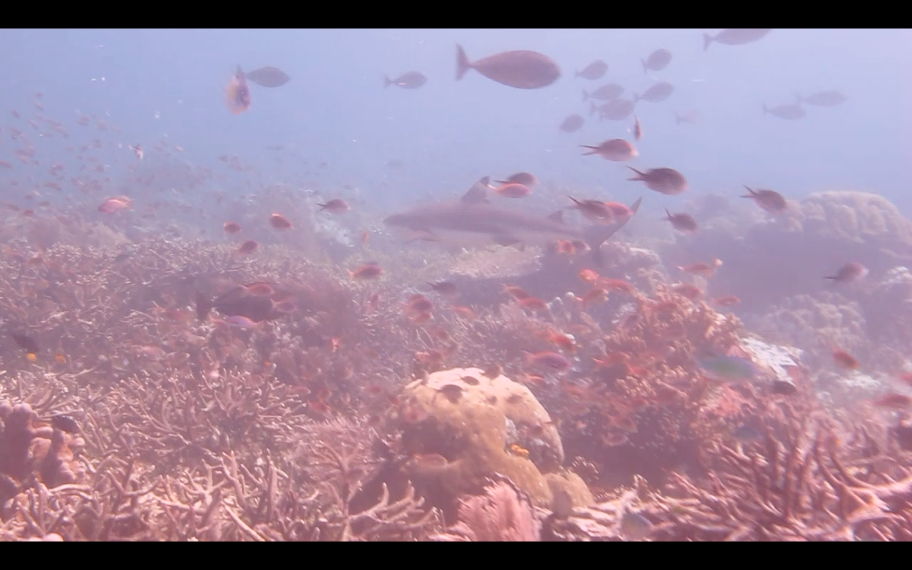
To address the growing threats to sharks, Raja Ampat Regency has implemented a strict ban on shark hunting. This local regulation is one of the most important marine protection policies in Indonesia.
By creating shark sanctuaries and enforcing sustainable fishing practices, the government is working with conservation groups and local communities to ensure these majestic creatures are preserved for future generations.
The Role of Sharks in Coral Triangle Biodiversity
As top predators, sharks are critical to maintaining a healthy ocean ecosystem. They keep prey populations in check, prevent the overgrazing of coral reefs, and help regulate species diversity.
A decline in shark numbers can disrupt this delicate balance, causing ripple effects across the entire reef ecosystem. In Raja Ampat, where biodiversity is already under pressure from climate change and illegal fishing, protecting sharks is more urgent than ever.
Raja Ampat: A Global Leader in Shark Conservation?
If current protection efforts succeed, Raja Ampat could become a global model for shark conservation. With its rich biodiversity and growing eco-tourism industry, this region has the potential to lead the way in sustainable marine tourism and environmental protection.
By showcasing the value of sharks not just as predators but as key ecological and economic assets, Indonesia can position itself as a leader in ocean conservation across Southeast Asia and beyond.
Conclusion: Why Sharks Matter in Raja Ampat
Raja Ampat isn’t just a top diving destination—it’s one of the world’s last great shark refuges. Its coral reefs, marine biodiversity, and conservation efforts make it a shining example of what sustainable marine tourism can look like.
Whether you’re an adventurous diver, a nature lover, or a conscious traveler, supporting shark conservation in Raja Ampat means protecting a part of the ocean that benefits the entire planet.
