



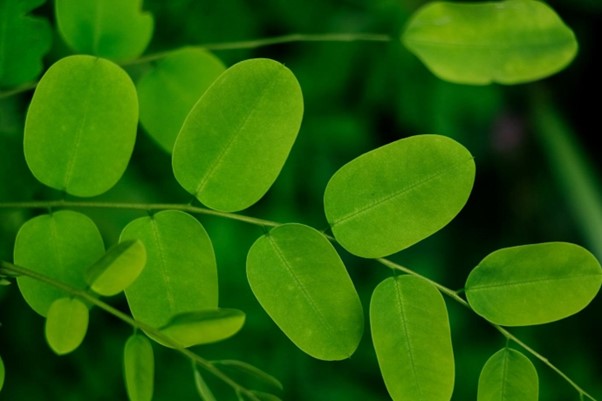
Moringa, also known as the “miracle tree,” is gaining international traction—and not just for its superfood status. Across Asia, more entrepreneurs and agricultural producers are tapping into the export potential of moringa leaves (Moringa oleifera) thanks to growing global demand, especially in the health and wellness markets.
Why Moringa?
Moringa isn’t new. It’s been used in traditional medicine and nutrition across Asia and Africa for centuries. But what’s driving its modern-day popularity is the science-backed list of health benefits. Here’s what makes moringa so attractive to global markets:
- Nutrient-rich: Packed with vitamins A, C, and E, as well as calcium, potassium, and plant-based protein.
- High in antioxidants: Fights oxidative stress, which is linked to heart disease and diabetes.
- Anti-inflammatory properties: Supports joint health and helps reduce chronic inflammation.
- Supports blood sugar control: Shown to help lower glucose levels—ideal for diabetes management.
- Lowers cholesterol: May reduce the risk of heart disease.
- Boosts skin and hair health: Moringa oil is prized in skincare and haircare for its hydrating and nourishing qualities.
- Aids digestion: Traditionally used for digestion support and natural detox.
These properties make moringa leaves a versatile ingredient for health, wellness, food, beauty, and agriculture sectors.
What Can You Make from Moringa?
Moringa isn’t just a leaf—it’s a product platform. Here’s a look at what’s trending:
- Moringa tea: Dried or powdered leaves sold as herbal tea
- Moringa powder: Used in smoothies, supplements, and functional foods
- Moringa oil (ben oil): Popular in skincare and cosmetics
- Capsules/tablets: Nutritional supplements
- Livestock feed: Nutrient-dense and natural
- Snacks and energy bars: For health-conscious consumers
In Indonesia, for instance, a local business from Southeast Sulawesi has successfully launched “Te Wuna Moringa” herbal tea using dried moringa leaves. It quickly became popular nationwide, proving that value-added moringa products have strong local and export potential.
Moringa Export Success Stories
Exporting moringa is no longer just a possibility—it’s already happening.
- In 2023, 100 kg of moringa leaves were exported from Indonesia to Malaysia for the first time with government support. Demand from Malaysia continues to grow.
- In May 2024, a company in Central Java exported 2 tons of moringa leaves to Kuala Lumpur, generating around IDR 150 million in foreign exchange.
- Another breakthrough came from East Java, where a company shipped 200 tons of moringa leaves directly to China under a one-year contract—proving that long-term international deals are possible without middlemen.
These examples highlight the rising appetite for moringa in Asia-Pacific markets, especially in health-focused countries like Japan, China, and Malaysia, and even as far as the United States.
Why the Global Market Is Interested
Moringa checks all the boxes for international buyers:
- Natural and plant-based
- High nutritional value
- Multi-purpose across industries
- Backed by traditional use and modern science
The global movement toward sustainable, organic, and functional foods puts moringa in a sweet spot. Many countries are also turning to herbal remedies and natural supplements, especially in preventive health and wellness.
How to Export Moringa Leaves
If you’re considering moringa as your next export product, here’s a simplified step-by-step guide:
1. Prepare the Product
- Dry, grind, or package leaves according to the standards of your target country.
- Ensure your product is clean, safely packed, and labeled with required information.
2. Get Export Documentation
- Common documents include commercial invoice, packing list, certificate of origin, phytosanitary certificate, and shipping documents.
3. Calculate Your Costs
- Include production, packaging, logistics, documentation, and desired profit margins.
- Choose a secure payment method: upfront, partial, or post-delivery.
4. Plan Logistics and Delivery
- Ensure your product packaging is durable for international transport.
- Work with a trusted freight forwarder and choose suitable transportation (air, sea, or land).
5. Understand Customs Regulations
- Study import rules in the target country, especially for agricultural products.
- Comply with food safety and health regulations.
6. Build Marketing and Distribution
- Establish partnerships with importers, wholesalers, or local retailers.
- Promote via social media and online platforms to boost visibility.
Final Takeaway
Moringa leaves are more than just a local plant—they’re a gateway to international markets. With the right processing, packaging, and compliance, they can be transformed into high-value export products across the globe.
Exporting moringa is a chance to connect local agriculture with global wellness trends. And for those ready to innovate and scale, the demand is already waiting.
