



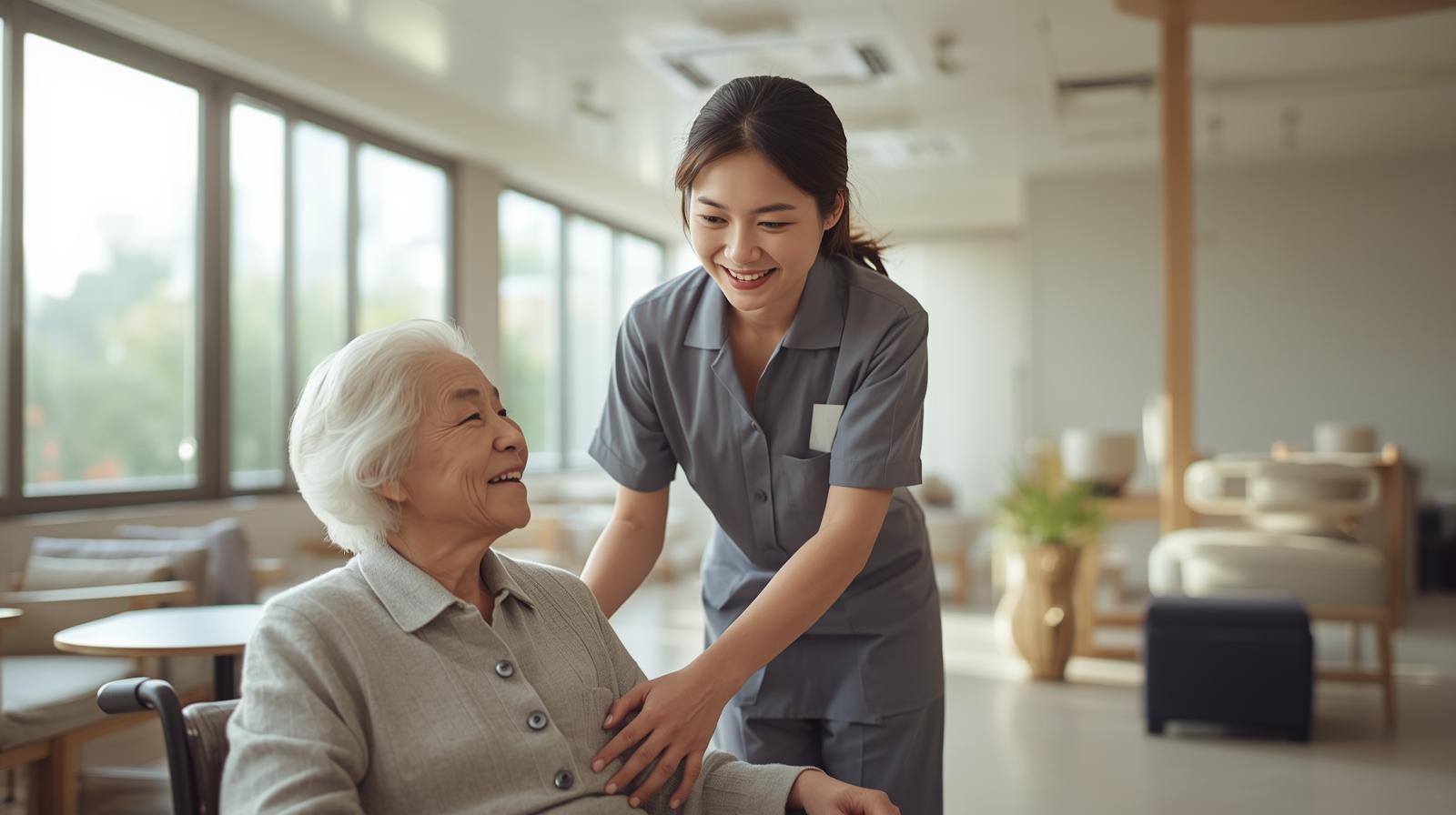
The World Is Getting Older — Fast
By 2050, one in every six people on Earth will be over 65 years old.
That’s not a guess — it’s a United Nations projection that shows just how quickly our world is aging.
Countries like Japan, Germany, Australia, and Canada are already feeling the pressure. The number of elderly citizens is soaring, but the workforce available to care for them is shrinking.
And this has triggered a global issue: the world is running out of caregivers.
The Numbers Behind the Aging Crisis
Japan leads the world in aging demographics — with nearly 29% of its population over 65.
In Germany, that number has already passed 22%, and it’s still rising.
Australia and Canada are following the same trend, both struggling with a severe shortage of healthcare and elderly care workers.
This isn’t just about population shifts — it’s about human care. More people are living longer, but not necessarily healthier.
And that means millions will need daily support, empathy, and medical attention.
Why the Elderly Care Profession Is Booming
Being an elderly caregiver is more than just a job — it’s becoming a global necessity.
People are living longer, but families are getting smaller. In many developed countries, fewer children means fewer hands to care for aging parents.
That’s why governments are investing heavily in caregiver recruitment and training programs, often targeting workers from abroad.
Caregiving also requires more than technical skill — it demands patience, cultural sensitivity, and emotional intelligence.
A Japanese senior citizen, for instance, may have very different habits and values than a Canadian one. That’s why countries now look for caregivers who can adapt to diverse cultural settings — and that’s where Asia shines.
Asia: The Heartbeat of Global Care
Across Asia, from Indonesia to the Philippines, caregiving is not a new concept — it’s part of daily life.
Taking care of elders is deeply rooted in Asian values, often seen as an act of love, not labor.
This cultural strength has become a global advantage.
Countries like Indonesia have begun sending trained caregivers to Japan and the Middle East through structured government programs. Many Indonesian caregivers are praised not only for their skill but for their warmth, empathy, and respect for elders — traits that can’t be automated or replaced by AI.
Asia’s young and capable workforce makes it a natural partner for countries facing demographic decline.
The Challenges That Come With Opportunity
Of course, opportunity doesn’t come without challenges.
Many caregivers struggle with language barriers, cultural adaptation, and demanding work schedules.
For example, Japan’s strict punctuality and efficiency standards can be overwhelming for first-time workers. In Germany, the healthcare system heavily relies on documentation and technology — something that requires proper training.
There’s also the question of worker protection — ensuring that migrant caregivers receive fair treatment, good working conditions, and clear legal rights.
But governments are becoming more aware of this. Programs now focus not only on skills but also cultural training, certification, and language preparation, making the transition smoother and more sustainable.
Indonesia’s Chance to Lead
With its large young population and growing vocational training centers, Indonesia is in a strong position to become one of Asia’s leading caregiver exporters.
Many local institutions are now offering Japanese and German language courses alongside healthcare certifications — a smart move to align with global standards.
The perception is also shifting. What used to be seen as a “low-status job” is now being recognized as a high-demand international career — one that offers purpose, stability, and a chance to make a global impact.
More Than a Profession — It’s a Calling
To care for the elderly is to care for humanity itself.
It’s about empathy, patience, and the simple act of being there when someone needs help the most.
For many Asian caregivers, this profession is more than a paycheck. It’s a bridge — connecting cultures, building respect across borders, and giving dignity to those who have spent their lives building ours.
And perhaps that’s the most beautiful part of this story:
In a world that’s growing older and more divided, care remains the universal language of kindness.
The World Is Aging, but Hope Is Young
The aging crisis is not going away. But neither is our capacity for compassion.
While machines and AI may automate many jobs, no technology can replace human care.
Asia — and especially Indonesia — stands at the center of a quiet global shift: one that values empathy as much as efficiency.
Because in the end, as the world grows older, what we need most isn’t youth or speed — it’s heart.
