



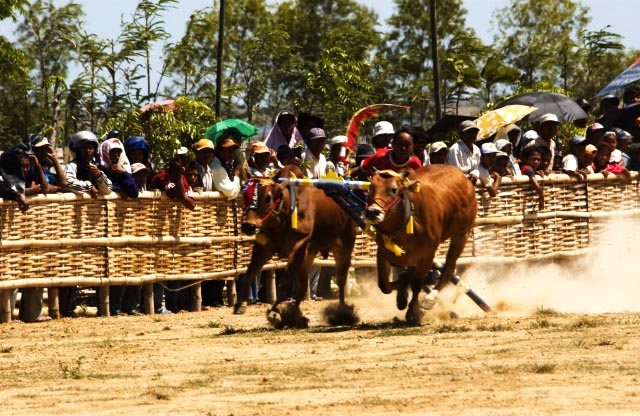
Experience Karapan Sapi: Madura’s Breathtaking Bull Race Festival
In the heart of Indonesia’s Madura Island lies a tradition that stirs the soul and electrifies the senses—Karapan Sapi, or the Madurese bull race. More than just a thrilling sporting event, it is a proud cultural heritage that represents identity, community spirit, and deep historical roots. For travelers seeking authentic experiences in Southeast Asia, Karapan Sapi is a must-see spectacle.
The Race Begins with Music and Elegance
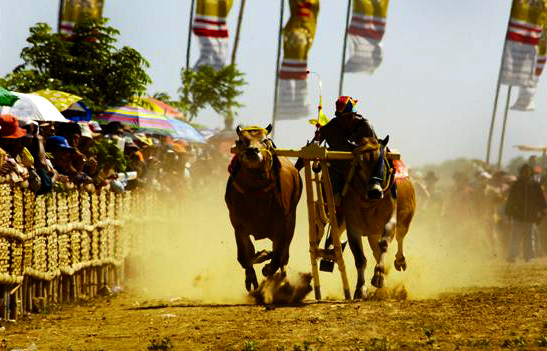
As the sun climbs high above the island, the arena bursts into life. Accompanied by the hauntingly beautiful sound of “saronen”—a traditional Madurese gamelan instrument—two majestic bulls, dressed in ornate accessories, strut proudly into the dirt track. They wear colorful garments known as ambhin and striking headpieces called obet, symbolizing strength and status.
This ceremonial parade isn’t just for show. It’s a prelude to the adrenaline-pumping event that’s about to follow. As the bulls complete their graceful lap, most of their attire is removed, leaving only the obet on their heads. Then, the race begins.
High-Speed Action in a Storm of Dust
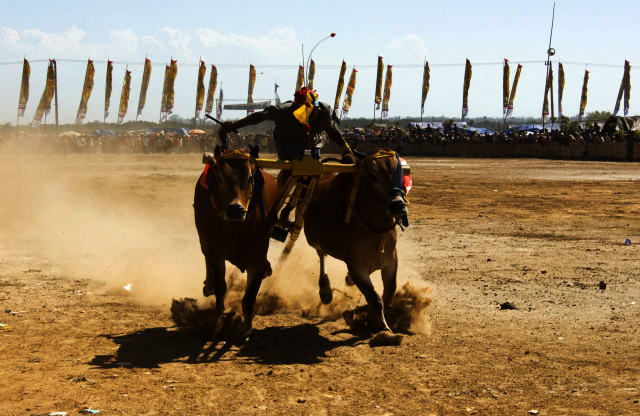
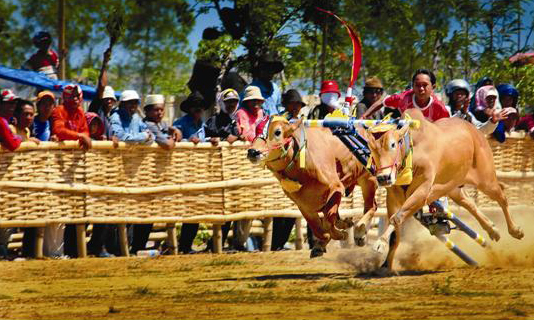
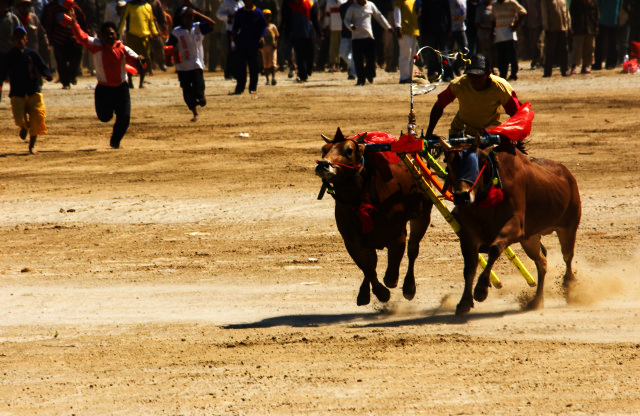
With the crowd roaring, two bulls dash forward in unison, pulling a wooden platform called kaleles, on which the jockey, or tukang tongkok, precariously stands. With intense focus and unmatched skill, the jockey tries to control the bulls while maintaining balance. The arena becomes a swirling storm of dust, sweat, and excitement.
It’s a dramatic contest of speed, precision, and coordination—a true test of the relationship between human and animal. It’s this intensity that keeps thousands of spectators, both local and international, coming back each year.
An Ancient Tradition Rooted in Agriculture and Faith
Karapan Sapi is believed to have originated centuries ago. Some trace its roots to 14th-century farming practices introduced by Penembahan Wlingi, a local ruler who encouraged the use of bulls for plowing. Farmers eventually began competing to see who could plow the fastest—an early form of racing that evolved into what we now know as Karapan Sapi.
Other legends connect the tradition to religious missionaries such as Kyai Pratanu and Sheikh Ahmad Baidawi, who used bull races to bring people together while spreading Islamic teachings. According to oral traditions, these races became community celebrations held in gratitude for bountiful harvests.
No matter which story you follow, one thing is clear: Karapan Sapi is a unique blend of faith, agriculture, and cultural identity.
Bulls as Symbols of Status and Prestige
In Madura, bulls are more than just animals—they are prized possessions. Some Madurese believe that the “king” of female bulls lives in Gadding village, while the top male bulls come from Sapudi Island. These places are renowned for producing champion racing bulls.
Selecting and training a Karapan Sapi bull is a meticulous process. Calves are chosen by age three to four months and start training at around ten months. The bulls are massaged daily, bathed regularly, and given herbal tonics known as jamu. They also follow specialized diets to optimize strength and stamina.
For owners, raising a successful bull is a matter of personal pride. Winning races boosts social status and earns financial rewards, while losing can mean disgrace. The bulls themselves can sell for astronomical prices—some reaching tens of thousands of dollars.
Karapan Sapi Today: A Blend of Tradition and Modernity
What began as a fun pre-harvest celebration has transformed into a full-blown sporting season with multiple competition levels. There’s kerap keni for beginner bulls, kerap raja for district champions, and kerap karesidenan where the best of Madura compete. The ultimate goal is to win the Piala Presiden (Presidential Cup), a prestigious trophy awarded to the island’s fastest bull.
These organized events draw huge crowds and are often attended by celebrities, politicians, and tourists. The atmosphere is electric, and the stakes are high—not just for the bulls and their owners, but for entire communities.
Animal Welfare and the Rise of Ethical Karapan Sapi
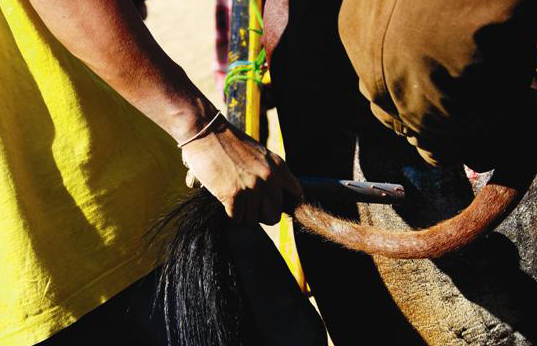
In recent years, concerns over animal cruelty have led to reforms in how Karapan Sapi is practiced. Traditionally, jockeys would use spiked whips—a method known as rekeng—to push bulls to their limits. This has drawn criticism from animal rights advocates and religious leaders alike.
Today, the government and local communities are working together to promote a more humane version of the race. Events like the Presidential Cup now strictly prohibit rekeng, focusing instead on training, conditioning, and ethical competition. This modern version retains all the excitement while respecting animal welfare.
Why Karapan Sapi Should Be on Your Indonesia Travel Itinerary
For international visitors, Karapan Sapi offers an unforgettable cultural experience unlike any other. Held from August to October, these races provide a rare glimpse into traditional Indonesian life. Beyond the race itself, visitors can enjoy local cuisine, explore Madura’s scenic countryside, and interact with communities that are eager to share their heritage.
The race encapsulates so much more than speed. It’s about honor, community, craftsmanship, and continuity. It’s about how a rural island maintains its cultural identity in the face of modernity.
How to Visit and What to Expect
Getting to Madura is easy. A short drive over the Suramadu Bridge from Surabaya, East Java’s capital, will take you right into the heart of the island. The main races are usually held in Pamekasan or Sumenep, with events happening every weekend during the season.
Expect festive crowds, delicious street food, traditional Madurese performances, and a hospitality that’s hard to match. Local tour guides can help you navigate the schedule and even introduce you to bull owners and trainers.
Preserving a Cultural Gem for Future Generations
As Indonesia continues to modernize, Karapan Sapi stands as a symbol of resilience and cultural pride. It’s a reminder that heritage can evolve without losing its soul. Thanks to efforts from local communities, cultural experts, and the government, the bull races of Madura are not only surviving—they’re thriving.
So whether you’re a travel blogger, culture enthusiast, or just someone looking for a once-in-a-lifetime experience, Karapan Sapi is your gateway into the heart of Madura—and a vivid chapter in the story of Indonesia.
