



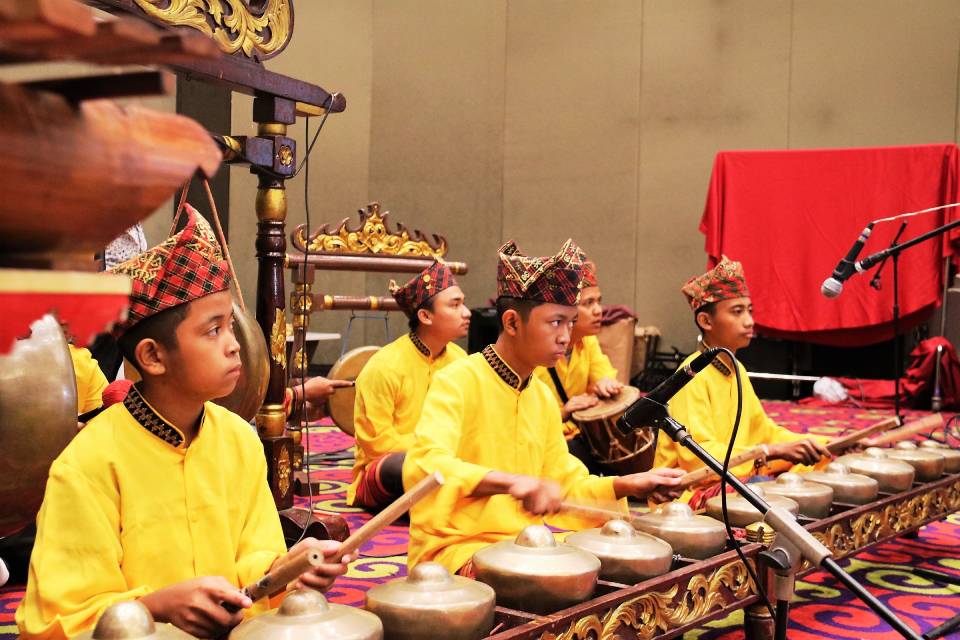
When people think of traditional Indonesian music, gamelan from Java or Bali usually comes to mind. But beyond that, hidden in the southern tip of Sumatra, lies a powerful and mesmerizing musical tradition known as Talo Balak. This vibrant ensemble from Lampung is more than just a sound—it’s a living heartbeat of heritage, identity, and community.
In this article, we’ll take you on a journey into the world of Talo Balak music, exploring its instruments, cultural meaning, and how it’s evolving in the modern era. If you’re into unique world music or curious about Indonesia’s lesser-known traditions, you’re in for a treat.
What Is Talo Balak Music?
Talo Balak literally means “big ensemble” or “grand instruments” in the Lampung language—talo meaning instrument, and balak meaning big or many. It’s a traditional musical performance typically played during cultural ceremonies such as weddings (begawi), welcoming honored guests, and other rites of passage.
This style of music is known for its rhythmic energy and rich textures. It’s not just entertainment—Talo Balak serves spiritual, social, and ceremonial roles in Lampung culture. Every beat, note, and pattern tells a story of lineage, honor, and communal harmony.
Instruments That Bring Talo Balak to Life
Talo Balak ensembles feature a variety of traditional Indonesian instruments, often played in unison to create powerful, layered rhythms. The most common ones include:
Gambus (Lampung lute)
A plucked string instrument similar to a Middle Eastern oud. It carries the melody and sometimes accompanies singing or recitations.
Ketipung (drums)
These come in male and female pairs and set the rhythm and tempo. The drumbeat is the pulse of the performance.
Canang
A series of small gongs arranged horizontally. They add complexity with rhythmic accents and melodic punctuation.
Kalo Balak (large gong)
The centerpiece of the ensemble. Its deep, booming tone is used to mark transitions and emphasize major sections in the performance.
Serdam (bamboo flute)
Adds a soft, emotional layer with gentle melodies—often the soul of the ensemble.
Rebab (traditional bowed instrument)
Sometimes used to complement the melody and add a haunting touch.
Together, these instruments produce a rhythm-heavy, hypnotic sound that moves both body and spirit. When performed live, it’s not just music—it’s a spectacle.
The Rhythm and Structure of Talo Balak
Talo Balak is defined by its interlocking rhythmic patterns, often described as polyrhythmic. That means multiple rhythms play at the same time, weaving in and out like a musical conversation. This complexity is one reason it’s so captivating.
Some performances also include vocals or poetic chants, called kekambek, which are often sung by elders or traditional leaders. These verses can share moral lessons, family history, or cultural proverbs.
More Than Music: The Role of Talo Balak in Society
In Lampung, Talo Balak isn’t just for entertainment. It plays a vital role in the social and cultural fabric of the community:
Symbol of Status
Families who host a Talo Balak performance during ceremonies are seen as upholding tradition and often enjoy higher social prestige.
Cultural Storytelling
Through music and lyrics, values and customs are passed down to younger generations. It’s an oral tradition wrapped in rhythm.
A Tool for Unity
Talo Balak brings people together. Whether you’re playing, dancing, or simply watching, it’s a shared cultural experience that strengthens community bonds.
Talo Balak in the Modern Era
Like many traditional arts, Talo Balak faces challenges from modernization and shifting interests among younger generations. But instead of fading away, it’s adapting—and in exciting ways.
Education and Cultural Centers
Several cultural groups and schools in Lampung are actively teaching Talo Balak to students. Local festivals and competitions are helping to keep it alive.
Fusion with Modern Music
Young musicians are now blending Talo Balak rhythms with genres like hip-hop, electronic, and jazz. This isn’t just remixing—it’s reimagining tradition for the global stage.
One standout example includes a collaboration between Talo Balak players and a local rapper, where bamboo flutes met booming bass lines in a stunning cultural mashup. This kind of experimentation proves that traditional music can evolve while still honoring its roots.
Going Global: The Untapped Potential of Talo Balak
Talo Balak has all the elements to become a standout symbol of Indonesian cultural heritage on the world stage—just like gamelan or angklung. But it needs support.
What It Needs:
- High-quality audio and video documentation
- Active presence on streaming platforms (Spotify, YouTube)
- Opportunities to perform at international festivals
- Support from cultural institutions and government grants
With the right exposure, this music could be a hit among world music lovers and global ethnomusicology communities. The unique rhythms and stories of Talo Balak deserve to be heard far beyond Sumatra.
Final Thoughts
Talo Balak music is more than just a traditional ensemble—it’s a cultural treasure that reflects the heart and soul of Lampung. Its deep rhythms, poetic verses, and ceremonial roots make it a living legacy worth celebrating and protecting.
As the world grows more connected, the time is right for lesser-known traditions like Talo Balak to shine. Whether you’re a music enthusiast, a cultural explorer, or just someone looking for a new sound to inspire you—this is one tradition that shouldn’t be missed.
So next time you think of Indonesian music, go beyond Bali and Java. Remember the powerful sounds of Talo Balak—and let it move you.
