



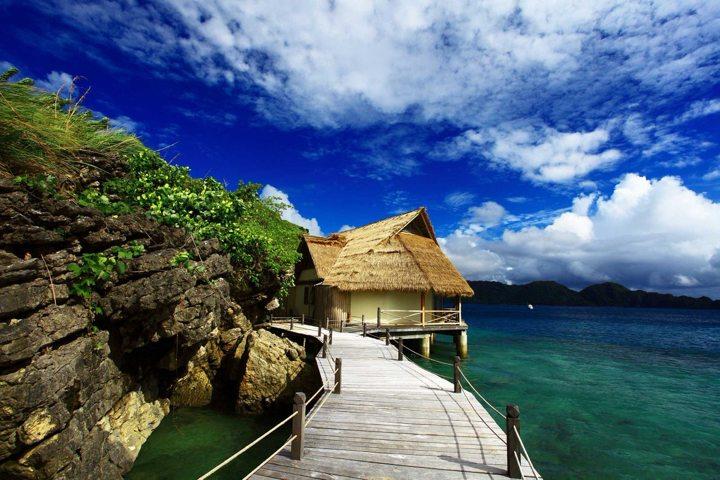
When people talk about paradise in Indonesia, Bali and Lombok usually steal the spotlight. But travel a little farther east, and you’ll find a place that feels untouched by time — a village where the sea sparkles like glass, culture is deeply rooted, and nature wraps you in its quiet beauty. Welcome to Sauwandarek Village, a hidden gem tucked away in the western corner of Raja Ampat, Papua.
While it may not be as famous as its neighboring islands, Sauwandarek offers something raw, real, and remarkably unforgettable. Let’s take a virtual journey to discover what makes this coastal village a dream destination for nature lovers, divers, and cultural explorers alike.
Where Is Sauwandarek?
Sauwandarek Village is located on the island of Mansuar, west of Waisai, the capital of Raja Ampat Regency, in West Papua Province. This small village is home to only about 46 families, with an estimated population of just 179 people. Despite its size, the village radiates charm, culture, and breathtaking scenery at every turn.
What sets Sauwandarek apart is its authentic Papuan lifestyle. The houses here are still built using traditional methods — wooden walls with roofs made from thatched leaves and straw. No fancy resorts, no city noise — just the sound of waves, birds, and the occasional laughter of children running along the sandy paths.
A Living Tradition: Handwoven Art from the Sea
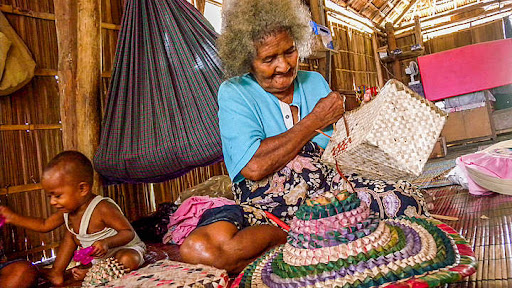
The local people of Sauwandarek are known for their incredible weaving skills, especially with pandanus sea leaves. From these leaves, they craft beautiful and practical items like woven hats and noken bags, which have become popular souvenirs for visitors.
Prices are surprisingly affordable — ranging from IDR 25,000 to IDR 50,000 (around $1.50 to $3.00), depending on size and design. Buying a handcrafted item here doesn’t just support local artisans — it also gives you a piece of Papuan heritage to take home.
The Sacred Lake of Yenauwyau
One of the most mystical parts of Sauwandarek is Telaga Yenauwyau, a sacred lake not far from the village. Locals believe this lake is home to a mythical white turtle, and the site holds deep spiritual significance for the community.
To get to the lake, visitors usually embark on a 25-kilometer trek through dense tropical vegetation. At the edge of the lake, a wooden pier allows guests to sit, reflect, or simply soak in the tranquil beauty of the surrounding landscape. It’s not just a pretty spot — it’s a place of stories, legends, and living culture.
Meet the Rare Birds of Sauwandarek
Birdwatchers, rejoice! Sauwandarek is home to a rare and endemic bird species: the Maleo Waigeo. Known for its striking appearance and unique nesting habits, spotting this bird in its natural habitat is a bucket-list experience for any wildlife enthusiast.
Keep your eyes peeled during early morning or late afternoon — that’s when you’re most likely to see them flying low over the forest canopy or wandering through the edge of the village.
Dive into a Marine Wonderland
Of course, no visit to Raja Ampat would be complete without diving — and Sauwandarek is no exception. Just off its coast lies an underwater world that’s bursting with life. Divers here often encounter:
- Pygmy seahorses
- Mantis shrimp
- Blue ring octopus
- Mandarin fish
- Schooling snappers and yellowtails
- And even the occasional group of tuna or barracuda
The coral reefs in the area are vibrant, healthy, and teeming with marine biodiversity, making it one of the most rewarding dive spots in the region. Whether you’re a seasoned diver or just getting your fins wet, the underwater sights around Sauwandarek are truly unforgettable.
Feed the Fish — Local Style!
One of the most delightful activities you can try while visiting is feeding the fish right at the beach. For just IDR 50,000 (around $3), you can purchase a small bag of fish food and watch as colorful tropical fish rush to the surface in a frenzy of excitement. It’s a fun and interactive way to connect with the local marine life — and kids love it too!
How to Get There: The Journey to Sauwandarek
Getting to Sauwandarek may take a bit of effort, but the journey is part of the adventure.
- From Sorong to Waisai
Start by taking a public ferry from Sorong, the main transit hub in West Papua, to Waisai, the capital of Raja Ampat Regency. The ferry ride takes about 2 to 4 hours, and costs between IDR 100,000 to IDR 125,000 ($6 to $8) per person. - From Waisai to Sauwandarek
From Waisai, you’ll need to hop on a longboat, which takes around 4 hours to reach Sauwandarek. Longboat rental costs about IDR 300,000 (around $20) one way. If you’re short on time (and have a bit more to spend), you can charter a speed boat directly from Sorong. While more expensive — around IDR 5 million per day ($300+) — the ride only takes about 3 hours.
Either way, the views along the way are stunning — turquoise waters, coral reefs, and dancing schools of fish. It’s like moving through a real-life aquarium.
Why You Should Visit Sauwandarek
Let’s be honest — Sauwandarek isn’t the kind of destination you stumble upon by accident. It takes planning, patience, and a little bit of grit to get there. But once you arrive, you’ll realize it’s worth every second.
Here’s why:
- It’s authentic: No commercial tourism, no crowds. Just real people, real culture, and raw beauty.
- It’s peaceful: Whether you’re sitting by the lake, diving in the reef, or sipping fresh coconut on the beach, there’s a sense of calm you won’t find in big cities.
- It’s culturally rich: From sacred legends to handwoven crafts, Sauwandarek offers a deep connection to Papuan identity.
- It’s eco-friendly: Most villagers live in harmony with nature, and tourism is kept at a sustainable scale.
Final Thoughts
If you’re looking to unplug from the digital world, connect with nature, and explore a side of Indonesia that few tourists ever see, Desa Wisata Sauwandarek should be at the top of your list. Whether you’re an adventure traveler, cultural enthusiast, or marine life lover, this village offers a slice of paradise that feels both magical and meaningful.
It’s not just a destination — it’s a story, an experience, and a memory waiting to be made.
