



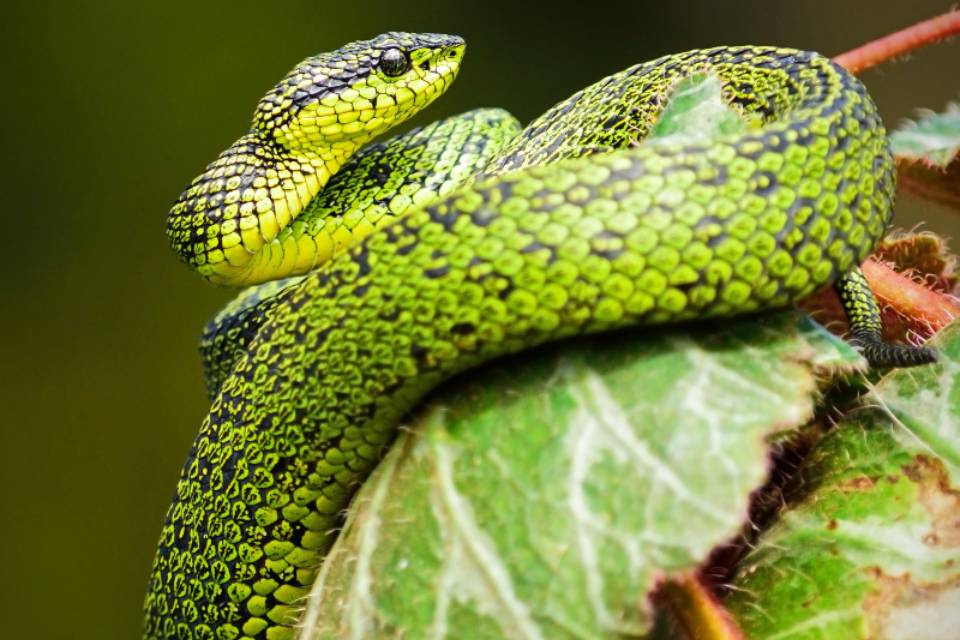
Indonesia is one of the most biodiverse countries on Earth. From dense rainforests and rice fields to mangroves and mountain trails, the natural landscape is home to countless wildlife species — including snakes. For outdoor enthusiasts, hikers, campers, farmers, and travelers, encountering a snake is not unusual. Understanding how to identify different types of snakes and knowing the correct response in case of a snakebite can make the difference between panic and preparedness, or even life and death.
Snakes are often misunderstood creatures. While some species are highly venomous and dangerous, many are harmless and play an important role in maintaining ecological balance. Learning basic snake identification, recognizing their habitats, and understanding first aid procedures is an essential skill for anyone spending time outdoors in Indonesia.
This guide explores common snake species found in Indonesia — from non-venomous constrictors to highly venomous elapids and vipers — and explains the correct actions to take if a snakebite occurs.
Types of Snakes Commonly Found in Indonesia
1. Banded Krait (Bungarus candidus)
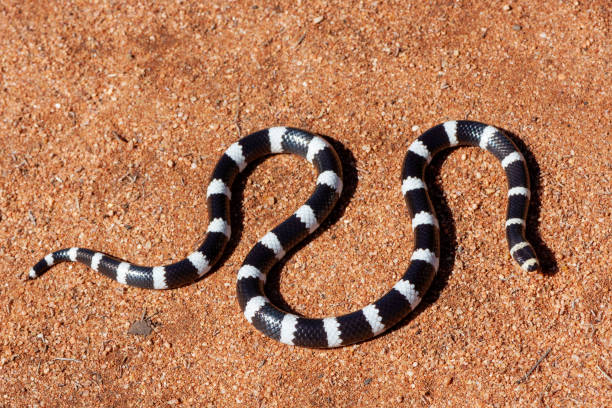
The banded krait, locally known as ular weling, is easily recognized by its striking black-and-white bands. This snake is highly venomous and potentially fatal.
Banded kraits are nocturnal predators, usually active between 9 p.m. and 11 p.m. They are often found in rice fields, rodent burrows, and sometimes near residential areas. Although generally shy, their venom is extremely dangerous. Neurotoxic venom from a krait bite can cause headaches, vomiting, diarrhea, muscle paralysis, seizures, and respiratory failure. Without medical treatment, death may occur within 20 hours.
2. Cobra
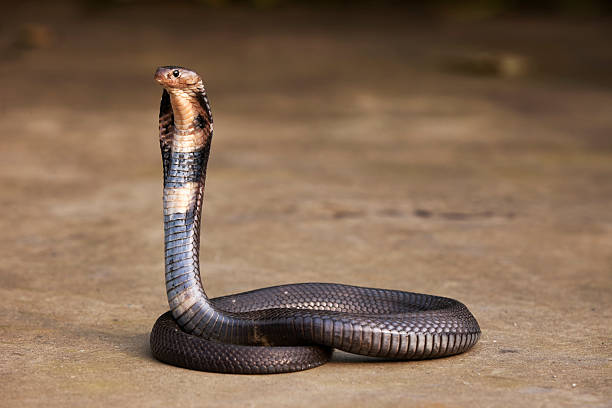
Cobras are among the most feared snakes in the world. In Indonesia, common species include the spitting cobra, Sumatran cobra, and king cobra.
Cobras can inhabit agricultural land, mangroves, forests, and even human settlements. Despite their reputation, cobras are typically shy and prefer to avoid humans. However, when threatened, they can strike quickly. Their venom is highly toxic and can be lethal within a short period.
The king cobra, the world’s longest venomous snake, can reach lengths of up to six meters. Any encounter with a cobra should be handled with extreme caution — distance is your best protection.
3. Reticulated Python
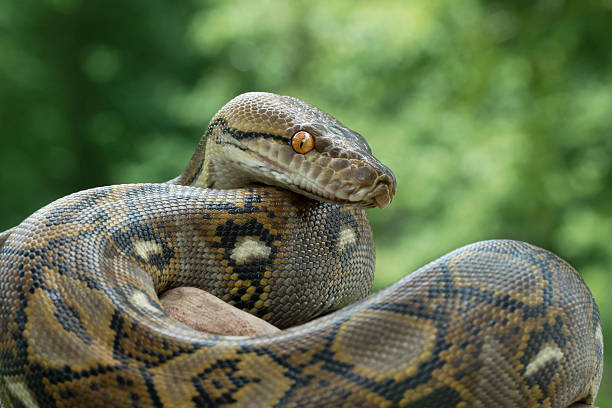
The reticulated python (ular sanca) is one of the largest snake species in the world and commonly found across Indonesia. Despite its intimidating size — sometimes exceeding 10 meters — this snake is non-venomous.
Pythons kill prey by constriction and are highly adaptable, living in forests, plantations, farmlands, and near villages. They are often attracted to livestock such as chickens, ducks, goats, and even calves. While generally not aggressive, large pythons can be dangerous if provoked.
4. Malayan Krait (Bungarus fasciatus)
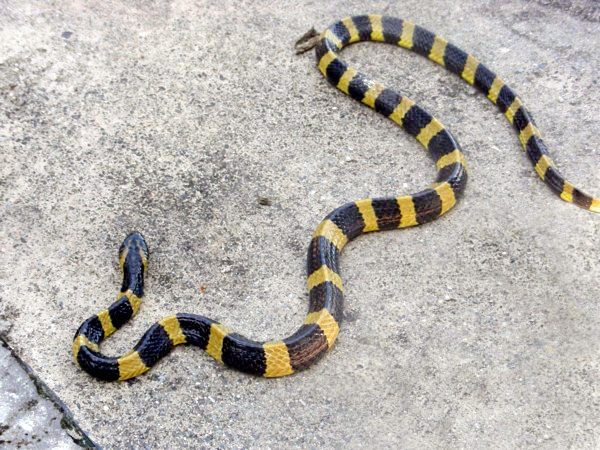
Often confused with the banded krait, the Malayan krait (ular welang) features yellow and black bands covering its entire body, including the belly.
This snake inhabits forests, wetlands, mangroves, rice fields, and even mountainous regions up to 2,500 meters above sea level. Like its close relative, it is nocturnal and possesses powerful neurotoxic venom. Bites may cause extreme drowsiness, muscle paralysis, and death if untreated.
5. Oriental Whip Snake
The oriental whip snake (ular gadung) is a slender, agile snake commonly found near forest edges, agricultural areas, and rural settlements.
Its coloration varies from light brown to yellow as it matures. This species feeds on small vertebrates such as birds, frogs, and lizards. While mildly venomous, its venom is weak and not considered life-threatening to humans. However, bites can still be painful and should not be ignored.
6. Earth Snake
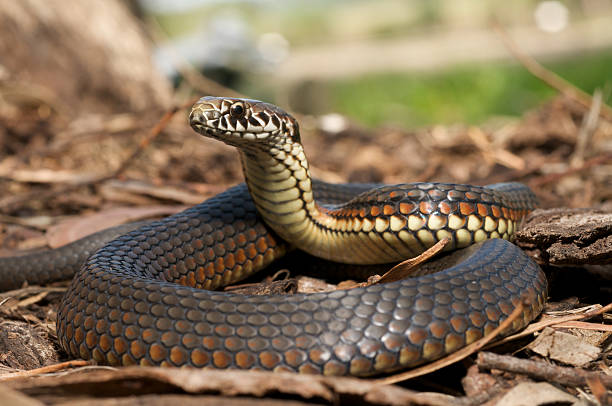
Earth snakes are venomous and particularly dangerous due to their excellent camouflage. Their brown coloration allows them to blend seamlessly with soil and dry leaves.
These snakes are passive and rarely aggressive, but they may bite if accidentally stepped on or disturbed. Their venom can cause severe swelling, intense pain, and in some cases, tissue necrosis that may result in long-term damage if untreated.
7. Green Pit Viper
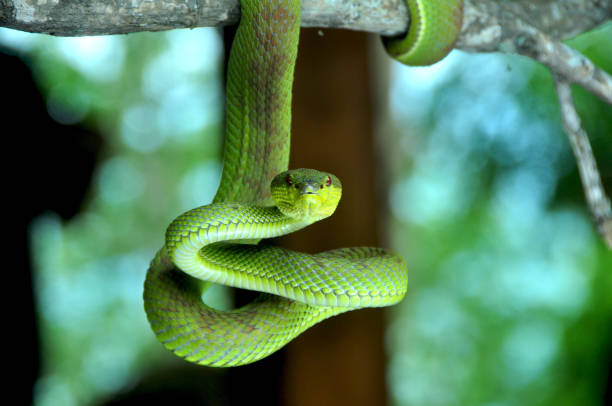
Green pit vipers are tree-dwelling snakes equipped with hinged fangs that can reach up to two centimeters in length.
They primarily hunt lizards, birds, and small mammals and are mostly nocturnal. These vipers are found in forests, agricultural land, and highlands up to 2,000 meters. Their venom affects blood clotting and can cause severe swelling and internal bleeding.
8. Red-necked Keelback
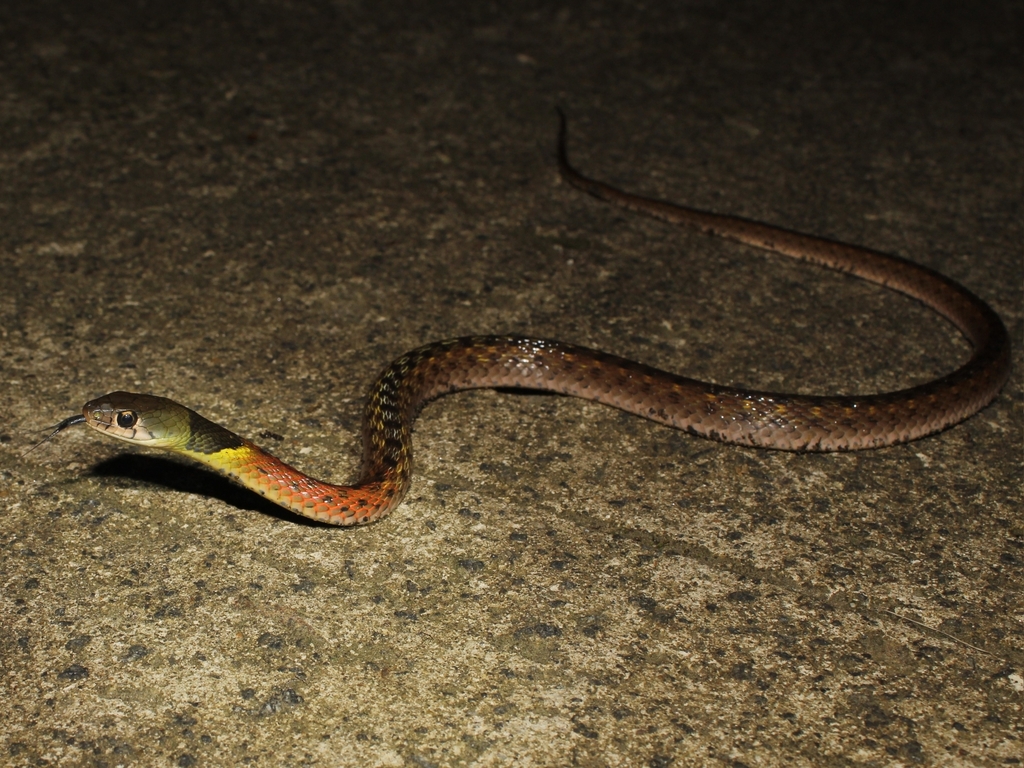
The red-necked keelback (Rhabdophis subminiatus) is recognizable by the bright red markings on its neck.
Despite its relatively small size — reaching about 1.3 meters — this snake is highly venomous. Bites can be fatal, especially without immediate medical care. The species is found across Sumatra, Java, Kalimantan, and Sulawesi.
9. Rainbow Water Snake (Enhydris enhydris)
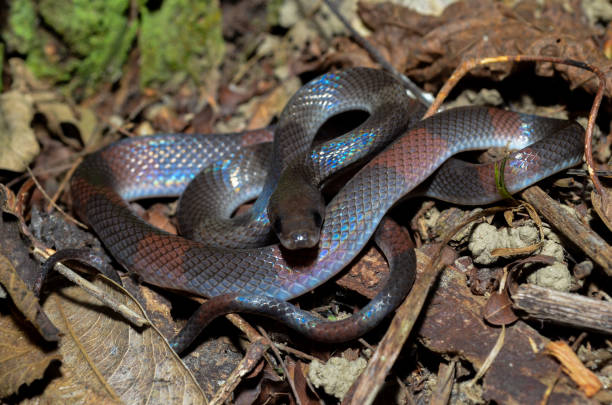
This aquatic snake inhabits freshwater environments such as rice paddies, swamps, ponds, and wetlands.
Its body is typically greenish-brown with an olive-colored head and pale underside. Although not aggressive, the rainbow water snake is venomous, with rear-positioned fangs. It primarily feeds on fish, amphibians, and small vertebrates.
10. Red-headed Krait (Bungarus flaviceps)
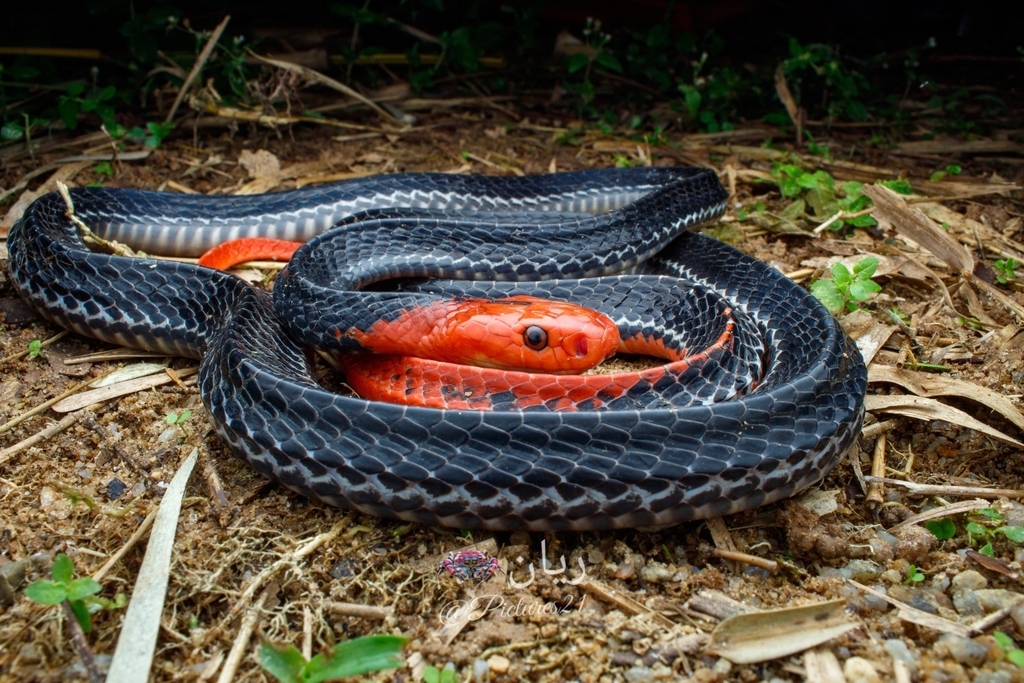
The red-headed krait is a rare and elusive species found in lowland forests, hills, and mountainous regions up to 900 meters.
It has distinctive red coloring on its tail and subtle pale and reddish-brown markings along its body. Despite its rarity, this snake carries potent neurotoxic venom and should be avoided at all costs.
11. Papuan Taipan (Micropechis ikaheka)
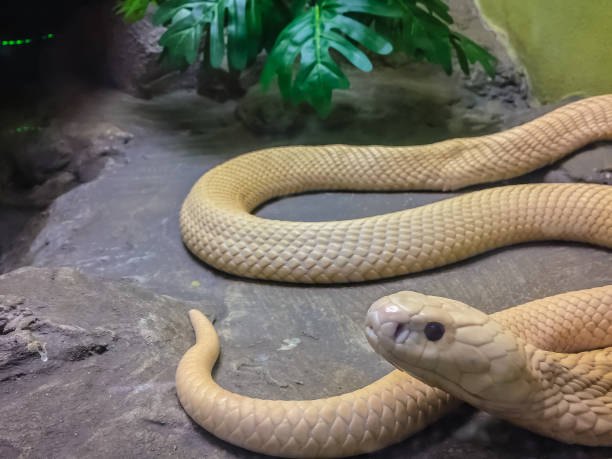
Despite being locally referred to as the “white snake,” this species typically has dark brown to blackish coloration.
It is known for burrowing into the ground and hiding among coconut husks in plantation areas. Highly aggressive and nocturnal, the Papuan taipan is extremely venomous and responsible for serious envenomation cases.
12. Siamese Russell’s Viper (Daboia siamensis)
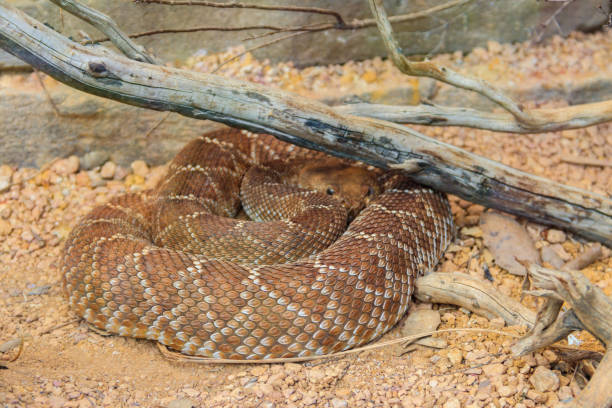
This viper is commonly found in plantations, scrublands, fields, and rodent-rich environments.
It prefers dry climates, can climb short trees, and is active mostly at night. Its venom is hemotoxic and can cause severe bleeding, organ failure, and death. This species preys on rodents, frogs, lizards, and even small mammals.
First Aid Steps After a Snakebite
If someone is bitten by a snake, immediate medical attention is critical. While waiting for professional help, follow these first aid steps:
- Stay calm and limit movement to slow venom circulation
- Keep the bitten limb immobilized and at heart level
- Gently clean the wound with clean water and mild soap
- Avoid alcohol or harsh antiseptics on the bite
- Do not cut, suck, or apply a tourniquet
- Seek emergency medical care as soon as possible
Panic increases heart rate and speeds up venom spread. Remaining calm is one of the most important survival factors.
Common Symptoms of Snakebite Envenomation
Snake venom can affect the body in different ways, depending on its composition:
Hemotoxic Effects
Causes internal and external bleeding, damage to blood vessels, and organ failure. Blood may appear in urine.
Cardiotoxic Effects
Leads to low blood pressure, shock, and potential cardiac arrest.
Neurotoxic Effects
Affects the nervous system, causing muscle weakness, paralysis, seizures, and respiratory failure.
Compartment Syndrome
Increases pressure within muscle compartments, restricting blood flow and oxygen, potentially leading to permanent tissue damage or paralysis.
Final Thoughts
Indonesia’s natural beauty comes with real risks, and snake encounters are part of that reality. Education, awareness, and preparedness are your strongest defenses. By recognizing snake species, understanding their behavior, and knowing how to respond to snakebites, you significantly reduce danger while enjoying the outdoors.
Respect wildlife, maintain distance, and always prioritize safety — nature rewards those who explore it wisely.
