



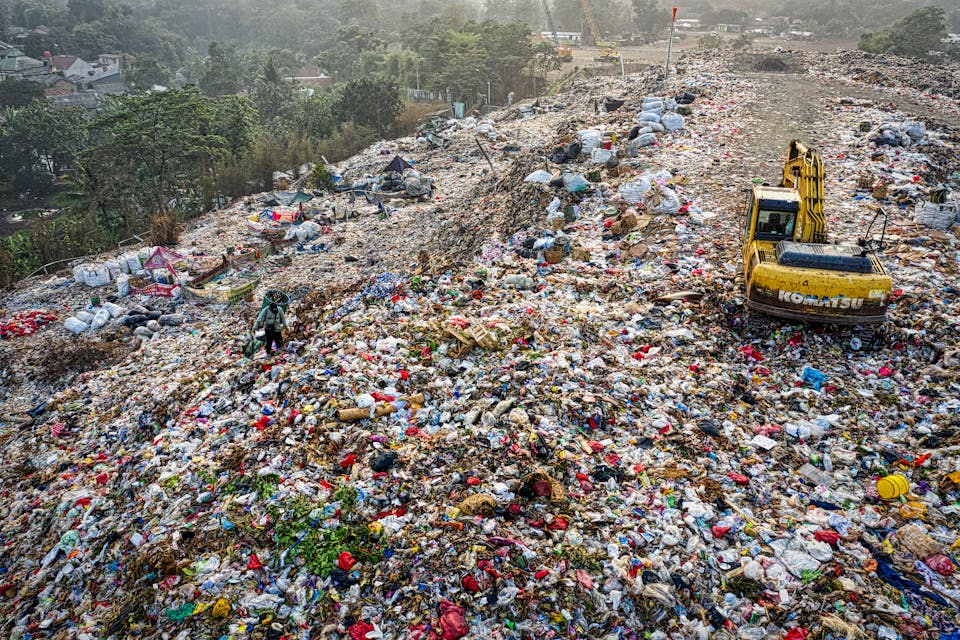
The world has been holding its breath for a breakthrough in tackling the plastic crisis. Hopes were pinned on Geneva this August 2025, where over a thousand delegates from 180 countries gathered for the latest round of negotiations on the world’s first global plastic treaty. But once again, the talks collapsed without an agreement, underscoring just how fragile the idea of global unity is when it comes to managing plastic pollution.
This was supposed to be the moment. Since the UN Environment Assembly (UNEA) gave its mandate in 2022 through the End Plastic Pollution Resolution, the world has been pushing for a binding international deal to rein in plastic. Two years later, after multiple failed attempts, the Geneva round was seen as a make-or-break chance. Yet, just like before, consensus slipped through the cracks.
Why Did the Plastic Treaty Collapse in Geneva?
At the heart of the failure is a sharp divide between two major blocs.
On one side is the High Ambition Coalition, made up of the EU, the UK, Canada, and several nations from Latin America and Africa. They argue that any serious treaty has to start at the source—by limiting plastic production and phasing out toxic chemicals. To them, the plastic crisis can’t be solved by waste management alone.
On the other side is the Like-Minded Group, led by major oil and petrochemical producers like Saudi Arabia, Kuwait, Russia, Iran, and Malaysia. For them, the treaty should stay narrow, focusing only on waste management, recycling, and post-consumer solutions.
It’s a tug-of-war: one bloc wants to turn off the tap, the other insists on just cleaning the floor. And in the middle, negotiations stall.
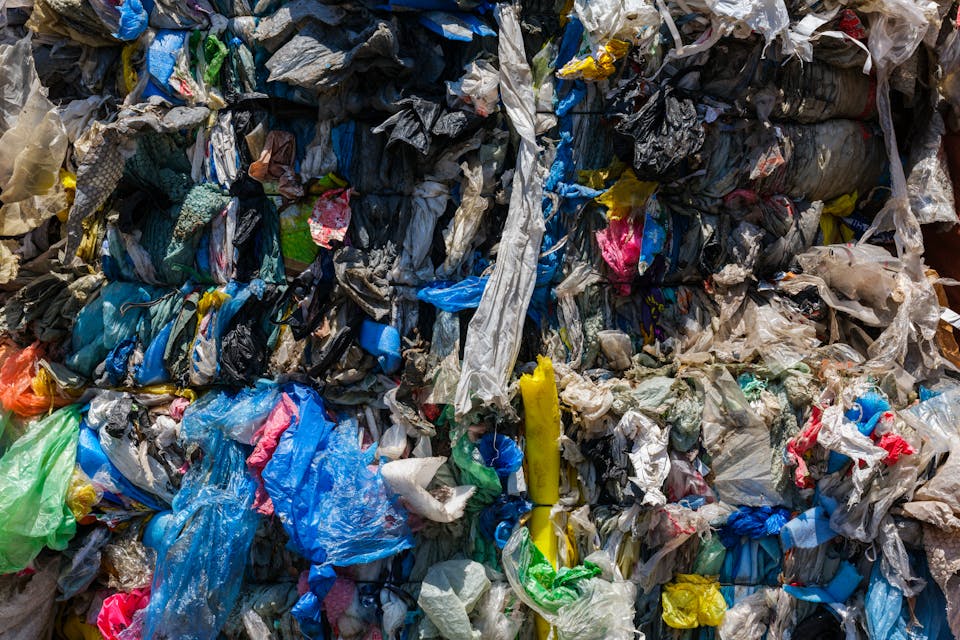
But politics isn’t the only obstacle. Behind the scenes, industry influence looms large. Plastics are deeply embedded in modern economies—food packaging, medical supplies, electronics, textiles—you name it. In 2021, global plastic production reached 400 million metric tons, with projections pushing it up to nearly 600 million by 2050. For many economies, especially oil-producing ones, plastic is big money.
And that economic weight makes compromise almost impossible.
Plastic: An Economic Pillar with a Dark Side
For all its environmental downsides, plastic is an economic powerhouse. A 2022 study in Frontiers in Marine Science revealed that the petrochemical sector—the main supplier of raw materials for plastics—was projected to rake in $800 billion by 2028, a massive leap from just $300 billion in 2020.
In the United States, the plastic industry generated around $358 billion in 2023 and supported over 660,000 jobs. In many parts of the developing world, plastics are also tied to livelihoods, manufacturing, and low-cost consumption.
So while scientists, activists, and policymakers highlight the ecological costs—from microplastics in the ocean to toxins in our food chain—the reality is that plastic is not just “trash.” It’s deeply connected to economic stability, trade, and global supply chains.
This imbalance—between plastic’s benefits for economies and its costs for ecosystems—is exactly why the treaty keeps stalling. Countries aren’t just debating waste; they’re debating their futures.
The Bigger Picture: Why the World Needs a Global Deal
Despite the failures in Geneva, the urgency of a treaty has never been clearer.
Plastic pollution doesn’t respect borders. Research published in MDPI Water in 2025 traced plastic waste along the U.S.-Mexico border and found that up to 90% of the plastic in the Tijuana River came from land-based sources—food packaging, construction materials, and single-use plastics. This isn’t a local issue; it’s a planetary one.
Globally, the numbers are sobering. According to the OECD’s Global Plastics Outlook (2022), the world produced around 353 million tons of plastic waste in 2019. Of that, only 9% was recycled—mostly through downcycling, which produces lower-quality materials. About 19% was incinerated, contributing to carbon emissions, while almost 50% ended up in landfills.
The most troubling part? Around 22% of all plastic waste was mismanaged—dumped openly, burned in unsafe conditions, or washed into rivers and oceans. By 2019, an estimated 6.1 million tons of plastic had polluted freshwater and marine systems.
Add to this the data from UNEP in 2024: nearly 80% of single-use plastics are not recyclable. Infrastructure, technology, and economics all work against recycling. It’s simply cheaper to make new plastic than to recycle the old.
What Happens If Nothing Changes?
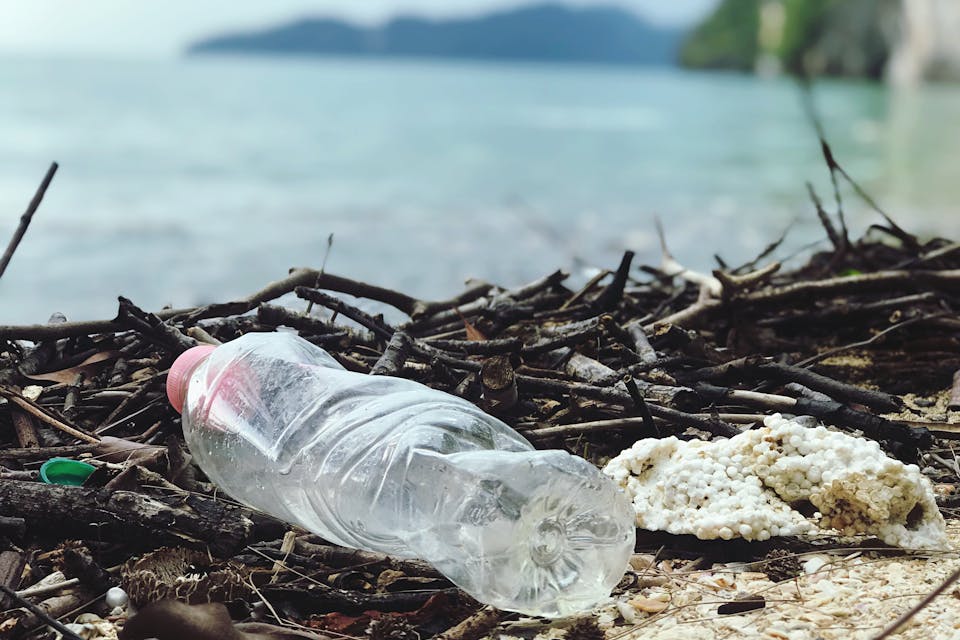
If these deadlocks continue, the consequences will be devastating. Global plastic production stood at 400 million tons in 2022, and projections suggest it could double to 800 million tons by 2050. Without strict controls, the planet is on track to drown in plastic waste.
Unlike organic waste, plastic doesn’t just “go away.” It breaks down into microplastics that infiltrate soil, water, and even human bodies. Studies have already found microplastics in fish, drinking water, and even human bloodstreams. The long-term health effects are still being studied, but risks range from hormonal disruption to cancer.
And this isn’t a problem for future generations alone—it’s already happening. In coastal communities, fishing yields are shrinking as marine life ingests plastics. In cities, open burning of plastic releases dioxins, one of the most toxic pollutants known, into the air people breathe.
The failure in Geneva doesn’t just delay progress; it locks the world into a cycle where production rises, waste piles up, and the environmental burden grows heavier every year.
So, Where Do We Go from Here?

The collapse of the Geneva talks is a setback, but not the end of the road. International negotiations are always messy, and treaties take years to build. The Paris Agreement on climate change, for example, was the product of decades of stalled talks.
But time is running out faster for plastics. Unlike CO₂, which can be reduced through renewable energy and technology, plastic waste doesn’t disappear. Every piece ever produced is still here in some form—buried, burned, or floating in the ocean.
The world needs more than voluntary commitments or recycling slogans. What’s required is a binding, enforceable treaty that reduces production, phases out toxic chemicals, and builds global accountability. Without it, we’re only treating symptoms, not the disease.
As one Cuban delegate bluntly put it in Geneva: “This planet, and future generations, need this treaty.”
The failure this August may be frustrating, but it’s also a wake-up call. The plastic crisis won’t wait for politics to catch up. The question is—will world leaders act in time, or will they leave the next generation a toxic inheritance they can’t undo?
