



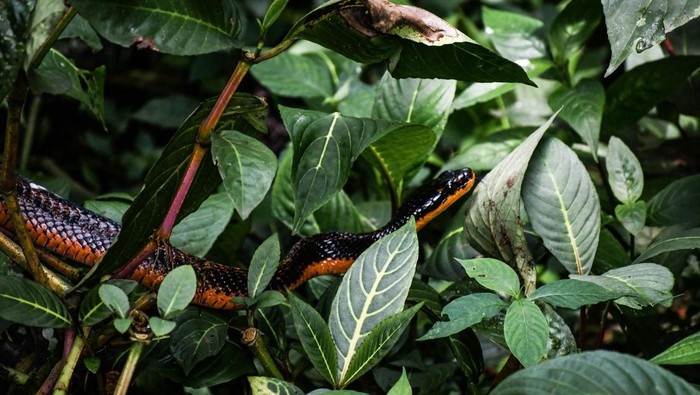
Let’s face it: no one wants a snake slithering into their backyard or garden. Whether you’re dealing with non-venomous types or something more dangerous, snakes around the house can feel threatening — and frankly, unsettling. While snakes do play an important role in ecosystems by controlling pests like rodents, they’re not exactly welcome guests in residential areas.
So, how can you naturally keep them at bay?
Good news — your garden might hold the answer. Some plants have powerful scents or textures that snakes find irritating or unpleasant. These plants can help make your yard or garden less inviting for them, all without resorting to chemicals or traps.
Let’s explore 8 snake-repelling plants you can grow right at home, inspired by gardening experts from The Spruce and Homes & Gardens.
1. Lavender: A Fragrant Shield
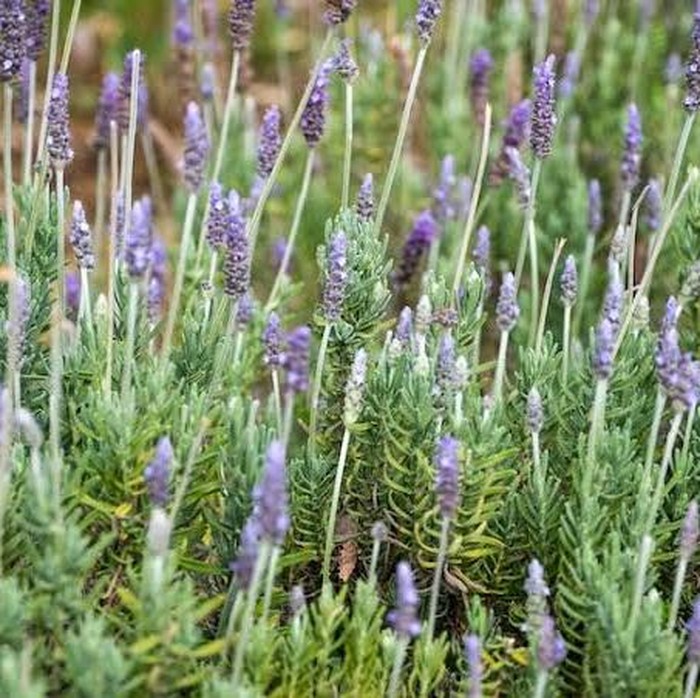
We love the soothing scent of lavender — but snakes? Not so much.
Lavender’s strong, aromatic scent is known to interfere with a snake’s chemoreception (their unique way of “smelling” the environment). The smell can overwhelm their senses, encouraging them to slither in the opposite direction.
This beautiful purple herb not only brightens your garden but also acts as a natural snake deterrent. Win-win!
Bonus: It also keeps mosquitoes and moths away.
2. Rosemary: Beautiful but Handle with Care
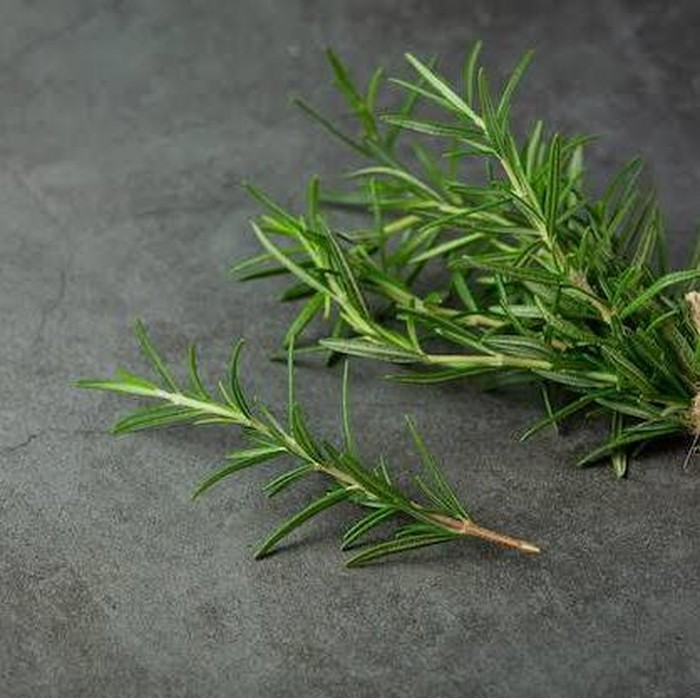
Much like lavender, rosemary gives off a potent aroma that snakes dislike. But there’s a small catch.
Rosemary grows into a dense bush with thick foliage, which, ironically, could provide shelter for snakes if left unchecked. That’s why gardening experts recommend planting rosemary in pots instead of in-ground beds. This allows you to enjoy the benefits of its snake-repelling scent while minimizing the risk of accidentally giving snakes a cozy hideout.
3. Lemongrass: Sharp, Aromatic, and Uninviting (to Snakes)
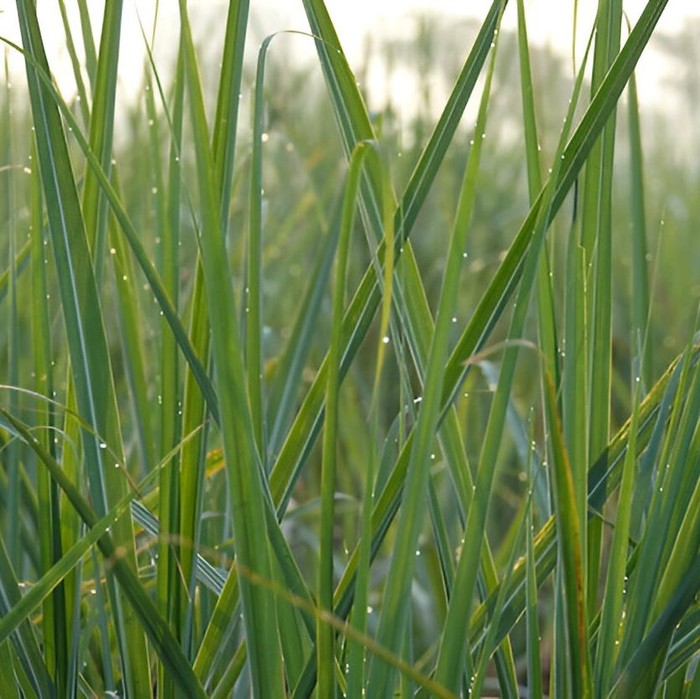
Lemongrass (Cymbopogon citratus) is an all-star in Southeast Asian kitchens — and it turns out it’s also a great snake repellent.
Its sharp-edged leaves and citrusy scent are unpleasant to snakes. The plant grows in thick clusters, making it difficult for snakes to maneuver through. They prefer to avoid the irritation and smell altogether.
Plant lemongrass along fences, garden borders, or near outdoor patios to create a natural barrier against snakes.
4. Snake Plant: Scaring Snakes with Their Own Name?
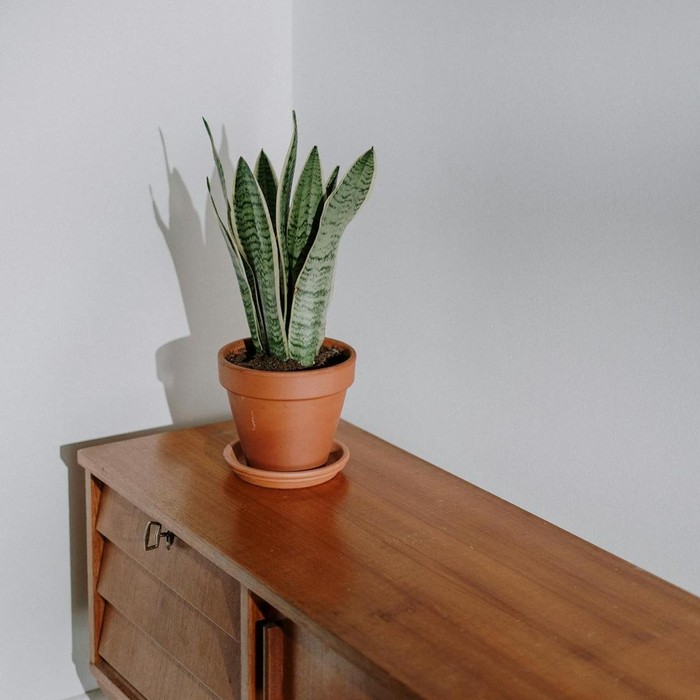
Here’s an ironic twist: the snake plant (Dracaena trifasciata) — also called mother-in-law’s tongue — is rumored to help keep real snakes away.
This hardy houseplant features sharp-edged, upright leaves that are not only visually striking but also believed by some cultures, particularly in parts of Africa, to deter snakes.
While there’s no hard scientific evidence backing this claim, many people believe that the appearance alone can intimidate snakes — and hey, it certainly doesn’t hurt to have one around.
5. Mugwort: Bitter Smell, Snake-Free Zone
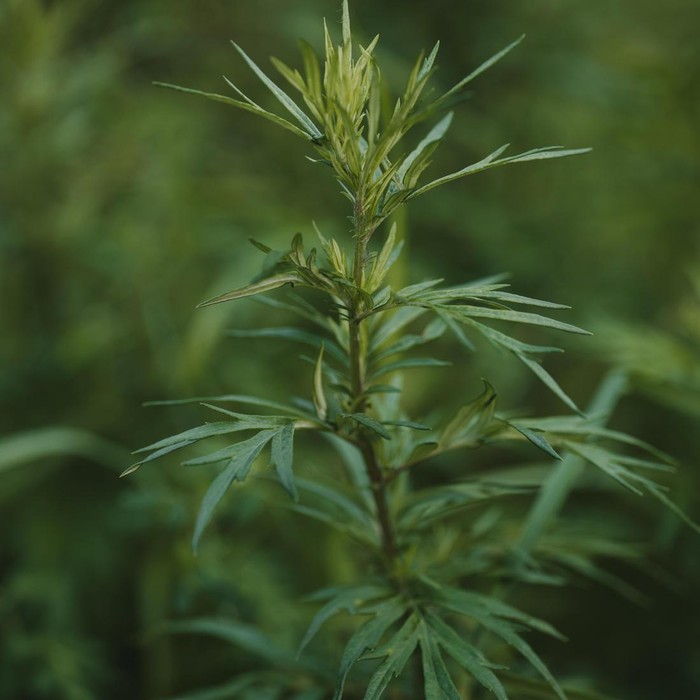
Mugwort is a soft, feathery green plant with a somewhat bitter aroma — one that snakes strongly dislike.
Its benefits don’t stop there. Mugwort is believed to make your yard less appealing overall by reducing populations of small animals (like insects or frogs) that snakes typically feed on.
By interrupting the food chain, mugwort acts as a two-pronged defense: it smells bad to snakes and makes the area less inviting for their prey.
6. Garlic: Not Just for Cooking
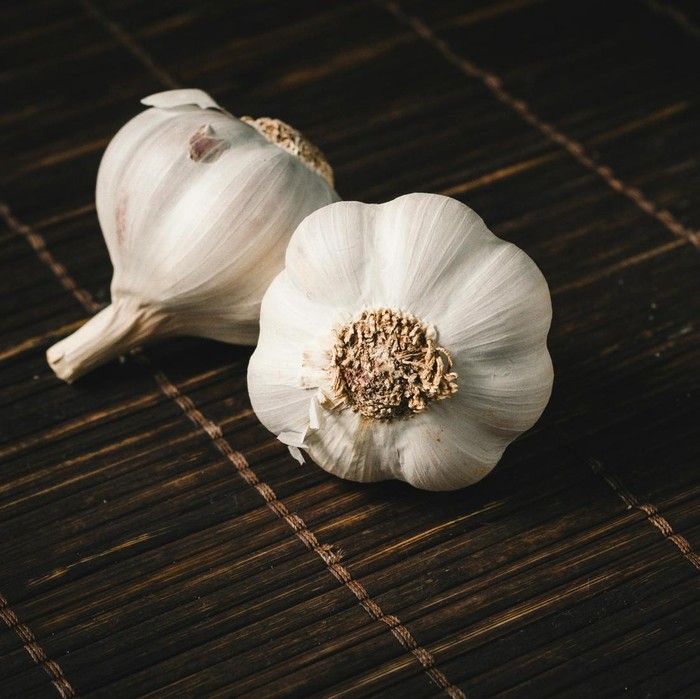
Garlic is famous for flavoring dishes and warding off vampires in folklore — but it turns out, snakes aren’t fans either.
The strong, pungent odor of garlic is overwhelming for most reptiles, including snakes. Some gardeners even chop up garlic and scatter it around the yard or mix it into homemade natural repellents.
Just a heads-up: garlic can be toxic to pets like dogs and cats if ingested, so keep your furry friends in mind when planting or placing garlic outdoors.
7. Onions: Sharp Smell, Zero Snake Interest
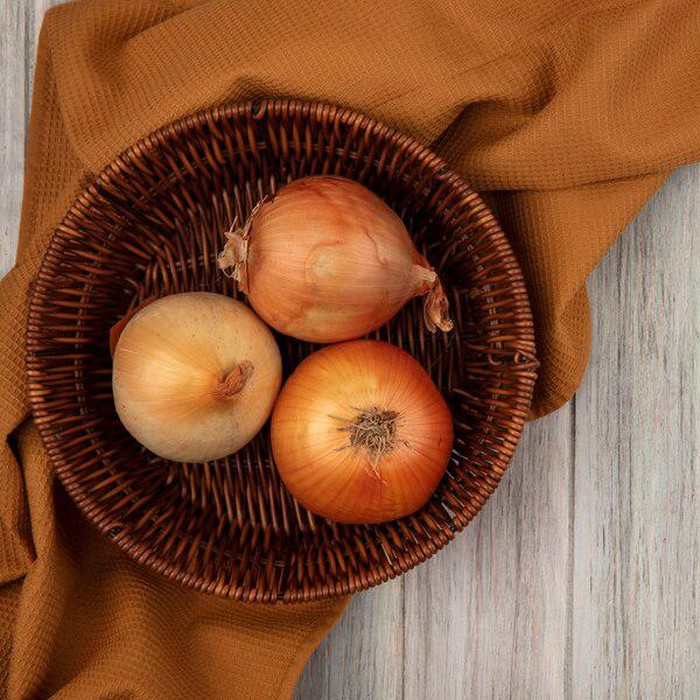
Like garlic, onions are part of the allium family and share similar chemical compounds that repel snakes.
Snakes don’t enjoy the potent smell released by onions, and planting them in your garden could help reduce snake visits naturally.
Again, be careful with pets — the same warnings about toxicity apply here too.
8. Basil: Pleasant for You, Nasty for Snakes
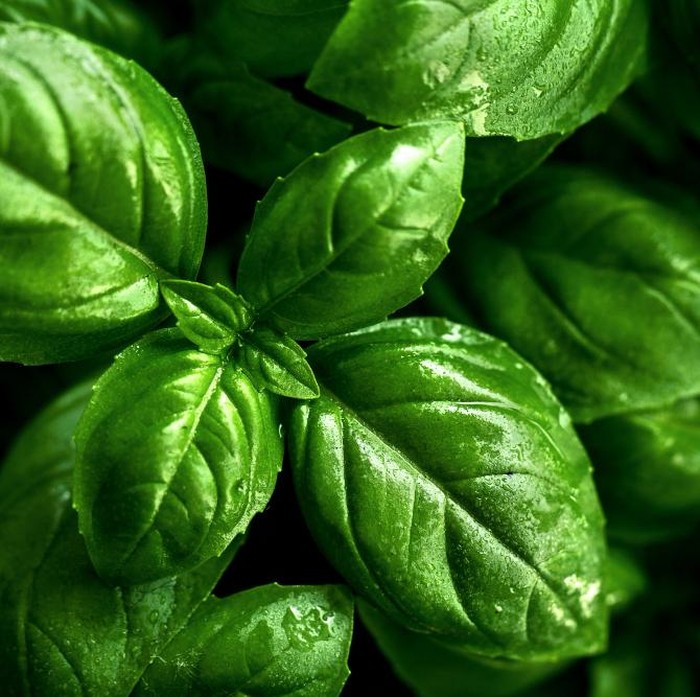
The sweet, peppery scent of basil might be a favorite for humans, but for snakes? Not so much.
The aromatic oils in basil leaves act as a natural repellent. Plant basil in sunny corners, near doors or windows, or in containers on your patio to create an invisible snake barrier with the added bonus of fresh herbs for cooking.
Quick Gardening Tips for Snake Prevention
While these plants can help repel snakes, it’s also important to keep your yard tidy:
- Trim back overgrown bushes.
- Remove woodpiles, debris, or any cluttered spaces where snakes could hide.
- Avoid letting water stagnate — snakes are drawn to moisture.
Combine these steps with snake-repelling plants, and you’ll create an outdoor space that’s far less attractive to our slithery neighbors.
Final Thoughts: Let Nature Help You Stay Snake-Free
Snakes are a part of nature — but they don’t need to be a part of your yard.
With a little planning and some strategic planting, you can enjoy a more snake-resistant home garden that smells amazing and adds greenery to your surroundings. Whether you’re a beginner gardener or a seasoned plant lover, these eight plants are easy to maintain and offer benefits beyond just pest control.
So go ahead — add some lavender by the porch, lemongrass along the fence, or a potted rosemary on the patio. Your garden will look better, smell amazing, and might just stay a little more snake-free.
