



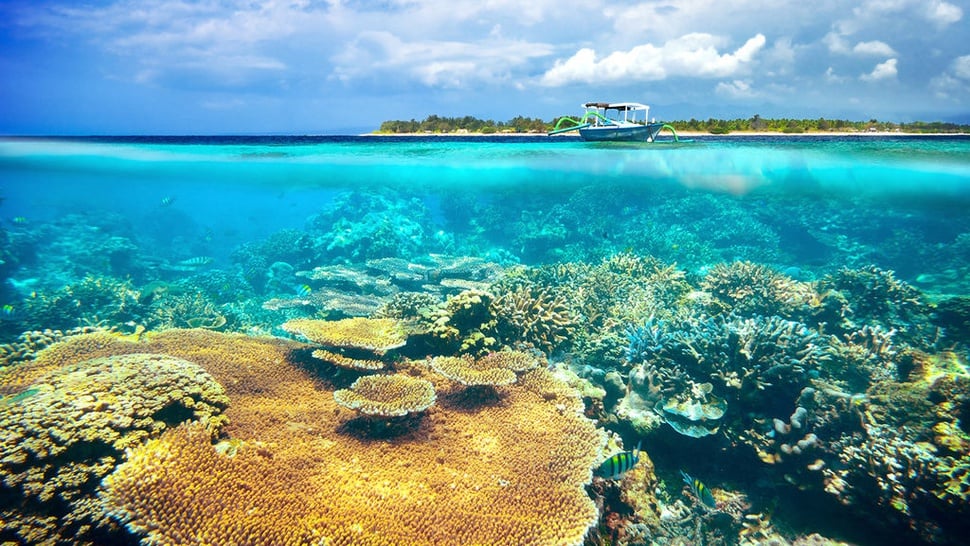
Imagine swimming through a vibrant underwater world where every corner bursts with life—schools of colorful fish darting through intricate coral formations, sea turtles gliding gracefully, and curious reef sharks patrolling the waters. This isn’t just a diver’s dream. It’s a real ecosystem, right beneath the surface, that supports millions of people and plays a crucial role in the health of our planet.
We’re talking about coral reefs—and more specifically, the ones surrounding the Indonesian archipelago. But here’s the thing: these underwater wonders are in serious trouble. Overfishing, climate change, pollution, and destructive tourism are just a few of the threats putting them at risk.
So, how do we save them?
The answer lies in a powerful, practical concept that governments, communities, and conservationists around the world are starting to embrace: sustainable development.
In this article, we’ll explore how coral reef conservation fits into the bigger picture of sustainable development in Indonesia, why it matters more than ever, and what each of us can do to be part of the solution.
What Is Sustainable Development Anyway?
Let’s start with the basics.
Sustainable development is not just a fancy buzzword tossed around in climate summits. It’s a practical approach to growth that balances three core elements: economic development, social well-being, and environmental protection.
In the words of Indonesia’s Law No. 32 of 2009 on Environmental Protection and Management, sustainable development is “a conscious and planned effort that integrates environmental, social, and economic aspects into development strategies to ensure the integrity of the environment and the safety, capability, welfare, and quality of life of present and future generations.”
Sounds noble, right? But what does that mean in practice—especially when it comes to coral reefs?
Coral Reefs: More Than Just a Pretty View
Coral reefs are often dubbed “the rainforests of the sea”—and with good reason. Although they cover less than 1% of the ocean floor, they are home to over 25% of all marine species. They act as vital support systems not only for marine biodiversity but also for humans living near coastlines.
Here’s what coral reefs do for us:
1. They’re Marine Megacities
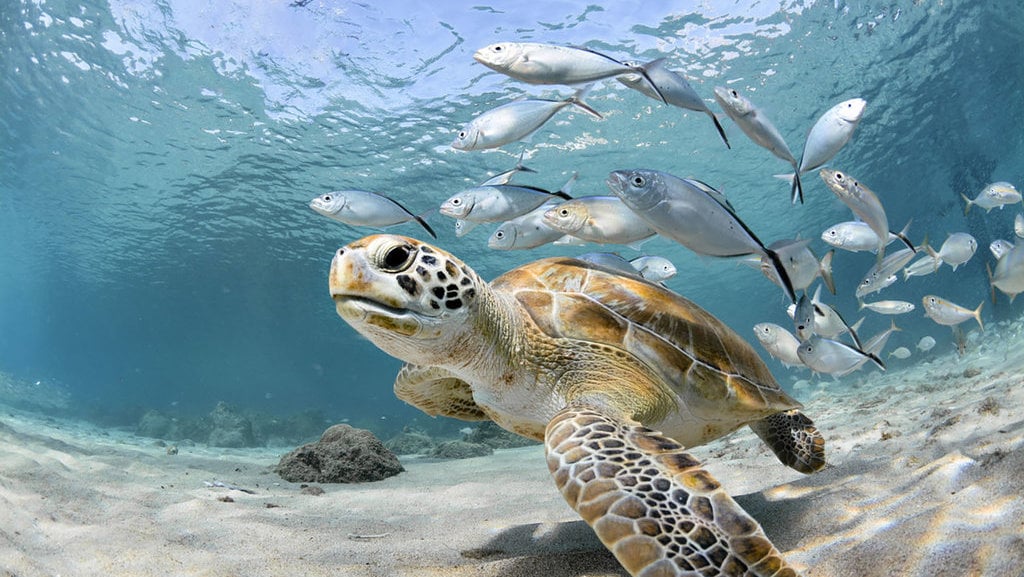
Reefs provide shelter and breeding grounds for thousands of fish species, crustaceans, mollusks, and more. These organisms rely on coral for survival—and so do the fishermen and communities that depend on them.
2. Natural Coastal Defenders
Coral reefs act like natural sea walls, absorbing wave energy and protecting coastlines from erosion, floods, and storm surges. With rising sea levels and increasingly unpredictable weather due to climate change, this function is more important than ever.
3. Economic Lifelines
Millions of Indonesians rely on coral reef ecosystems for their livelihoods—through fishing, tourism, and small-scale trade. Reefs contribute significantly to local economies, especially in places like Bali, Raja Ampat, and the Wakatobi Islands.
4. Carbon Regulators
Healthy coral reefs help regulate carbon and nitrogen levels in the ocean, contributing to climate stability and helping to mitigate global warming.
5. Potential Life-Savers
Believe it or not, coral reefs may hold the key to curing diseases. Scientists are exploring reef organisms for bioactive compounds that could lead to treatments for cancer, viruses, and other conditions.
Indonesia’s Coral Reefs: A Global Treasure Under Threat
Indonesia is home to the world’s largest coral reef area—about 18% of the global total. These reefs form a critical part of the Coral Triangle, the world’s most biologically diverse marine region.
But the outlook isn’t pretty.
A recent assessment by the Ministry of Marine Affairs and Fisheries (KKP) showed that only around 6.5% of Indonesia’s reefs are in excellent condition. Many have been severely damaged by pollution, coral bleaching, illegal fishing practices (like using cyanide or dynamite), unregulated tourism, and coastal development.
If we don’t take bold steps now, we risk losing not just a source of income and food—but also a vital part of our planet’s ecological balance.
How Does Sustainable Development Apply to Coral Reefs?
You might be wondering: how exactly does the concept of sustainable development help protect coral reefs?
The idea is to ensure that we use marine resources in a way that supports both the environment and the people who depend on it, now and in the future.
In Indonesia, this is being translated into action through the Blue Economy Policy. This government-backed framework aims to promote economic growth while preserving ocean ecosystems.
Here are five core strategies under Indonesia’s Blue Economy approach:
- Expanding Marine Conservation Areas
More marine areas are being protected by law, with designated no-fishing zones and strict conservation regulations. - Quota-Based Sustainable Fishing
Instead of open-access fishing, catches are now monitored and limited based on scientific data. - Eco-Friendly Aquaculture Development
Sustainable fish farming (both freshwater and marine) is being promoted as an alternative to overfishing. - Integrated Coastal Management
Coastal zones are being managed more holistically to balance tourism, development, and environmental protection. - Marine Plastic Waste Reduction
Programs like the “Bulan Cinta Laut” (Ocean Love Month) involve fishermen in collecting ocean waste, especially plastics.
Real-World Solutions: How We Can Save Coral Reefs
Theory is one thing, but what does coral reef conservation look like on the ground—or rather, under the water?
Here are some real, actionable ways Indonesia is bringing sustainable development principles to life in its coral reef conservation efforts:
1. Marine Zoning and No-Take Zones
Dividing ocean areas into zones for fishing, tourism, and conservation helps balance human use with ecological preservation. “No-take zones” allow coral ecosystems to recover naturally.
2. Community-Based Management
Local communities are often the best stewards of marine resources. Many areas have empowered coastal villages to manage nearby reefs, giving them ownership and responsibility over their protection.
3. Coral Reef Education and Outreach
Education is a powerful tool. NGOs and government agencies run workshops and school programs to teach locals about reef ecology, conservation techniques, and sustainable fishing practices.
4. Eco-Tourism and Responsible Diving
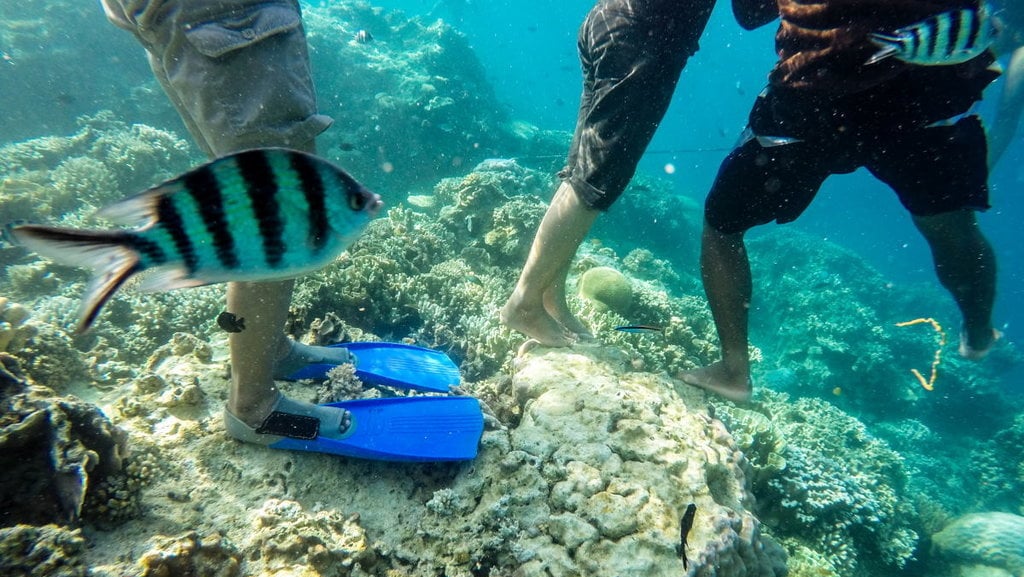
Tourism, when managed properly, can support reef conservation rather than harm it. Responsible tour operators now follow strict guidelines to ensure tourists don’t damage coral formations while diving or snorkeling.
5. Coral Restoration Projects
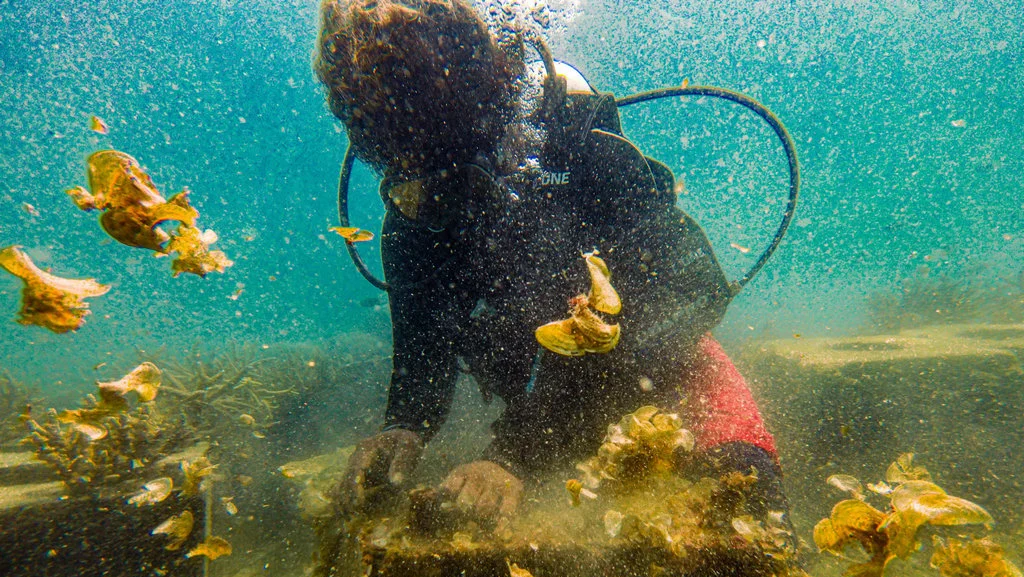
Damaged reefs are being rehabilitated through coral transplantation and artificial reef structures. These methods help rebuild the physical habitat and accelerate marine life recovery.
6. Plastic Waste Management
Indonesia has some of the highest levels of marine plastic pollution in the world. Community efforts to reduce single-use plastics, along with waste-collection initiatives involving local fishermen, are helping to keep reefs cleaner.
7. Enforcement and Legal Protection
Stronger regulations and enforcement against destructive practices like illegal fishing, reef mining, and anchoring on coral areas are critical to long-term reef protection.
Why This Matters: Coral Reefs and Our Shared Future
The need to protect coral reefs isn’t just an “environmentalist” issue—it’s an everyone issue.
When coral reefs die, fisheries collapse, coastlines erode, tourism fades, and climate change accelerates. On the other hand, when we protect reefs, we protect livelihoods, economies, food security, and the natural balance of the ocean.
We’re living in a time where the decisions we make now will echo far into the future. Sustainable development offers a roadmap—a way to grow and thrive without destroying the systems that support us.
And coral reefs? They’re not just beautiful marine structures. They’re essential infrastructure for a healthy planet.
Final Thoughts: Be Part of the Solution
Whether you’re a policymaker, traveler, entrepreneur, student, or beach lover, you can help champion the future of coral reefs in Indonesia and beyond.
Here’s how:
- Support local eco-tourism operators who practice reef-safe diving and snorkeling.
- Reduce your plastic footprint—especially when traveling to coastal areas.
- Educate others about the importance of coral reefs.
- Volunteer or donate to reef conservation organizations.
- Stay informed and vote for leaders and policies that protect the ocean.
Because at the end of the day, sustainable development isn’t just a government policy—it’s a shared responsibility. One reef, one community, and one decision at a time.
