



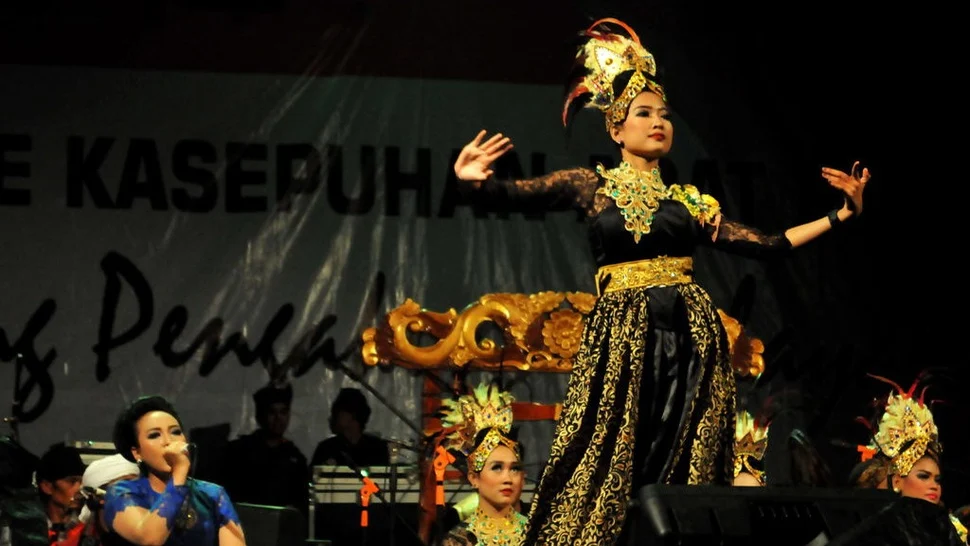
When it comes to Indonesian cultural heritage, West Java holds a special place. With its rich history, diverse ethnic roots, and artistic expressions, this province has long been known as a treasure trove of traditional arts—including some of the most captivating dances in the archipelago.
From the high-energy movements of Jaipong to the mystique of Kedok Ireng, each traditional dance of West Java tells a story rooted in history, mythology, spirituality, or daily life. In this article, we’ll take you on a cultural journey through 12 traditional dances of West Java—where rhythm meets ritual and every movement holds meaning.
Welcome to West Java, Indonesia
West Java is a province located on the western side of Java Island. Its capital city, Bandung, is known as a hub for arts, culture, and creativity. According to Indonesia’s Central Statistics Agency (BPS), West Java is home to over 50.3 million people (as of July 2024), making it the most populous province in the country.
Historically, West Java has been part of various ancient kingdoms in the Nusantara. Officially, it became a province on August 19, 1945, just days after Indonesia declared its independence.
What sets West Java apart in terms of culture is its Sundanese heritage, which manifests in everything from architecture and language to music and, of course, traditional dance.
1. Jaipong Dance
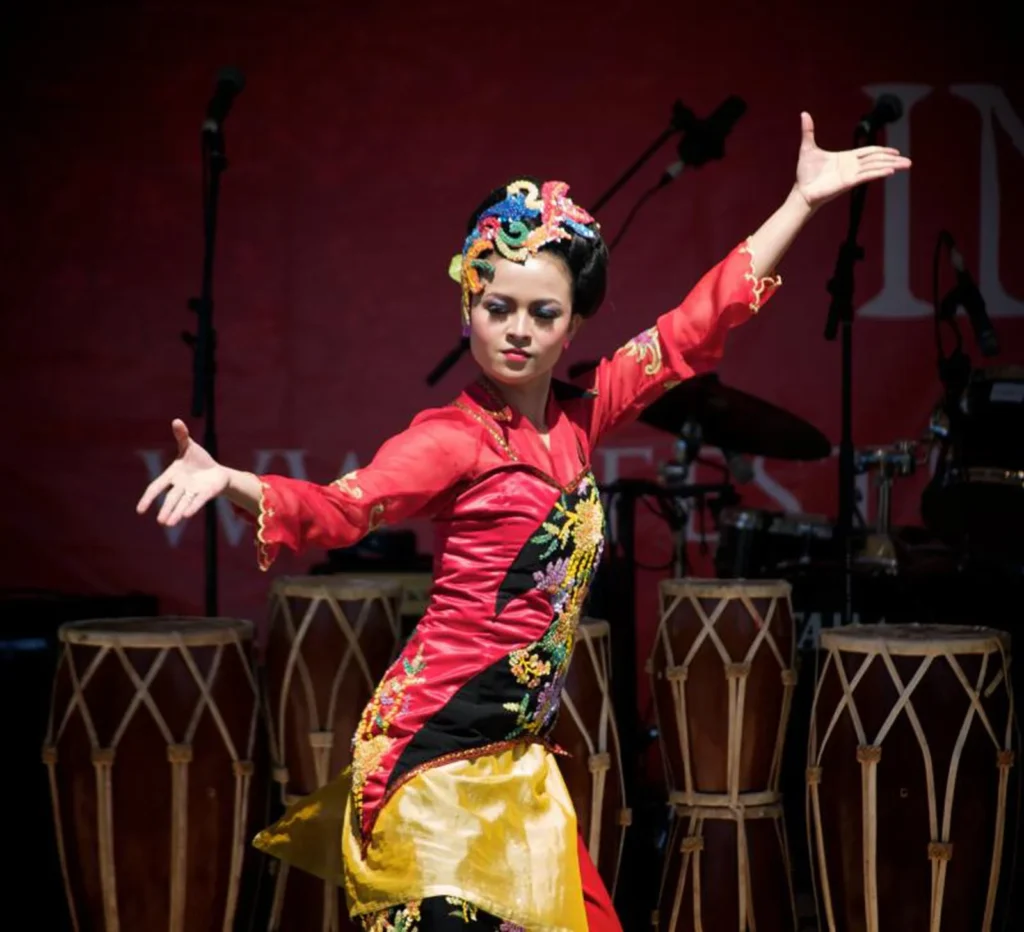
Let’s start with the most iconic: Jaipong. This dance has become a cultural symbol of West Java, frequently performed during official ceremonies, especially to welcome distinguished guests, both local and international.
Created by Gugum Gumbira, Jaipong draws inspiration from older Sundanese dances such as Ketuk Tilu, Kliningan, and Ronggeng. It features fast, energetic movements that are both expressive and rhythmic. Dancers—typically female—wear colorful traditional attire and are accompanied by vibrant drum beats.
2. Ketuk Tilu Dance
The Ketuk Tilu dance is a traditional Sundanese social dance that originated in regions like Priangan, Bogor, and Purwakarta. Historically, it was performed to celebrate harvest seasons and honor Dewi Sri, the goddess of rice.
What makes Ketuk Tilu unique is the incorporation of silat (martial arts) movements. It’s often performed by 12 dancers—six men and six women—and is accompanied by traditional musical instruments that keep the tempo steady and ceremonial.
3. Wayang Dance
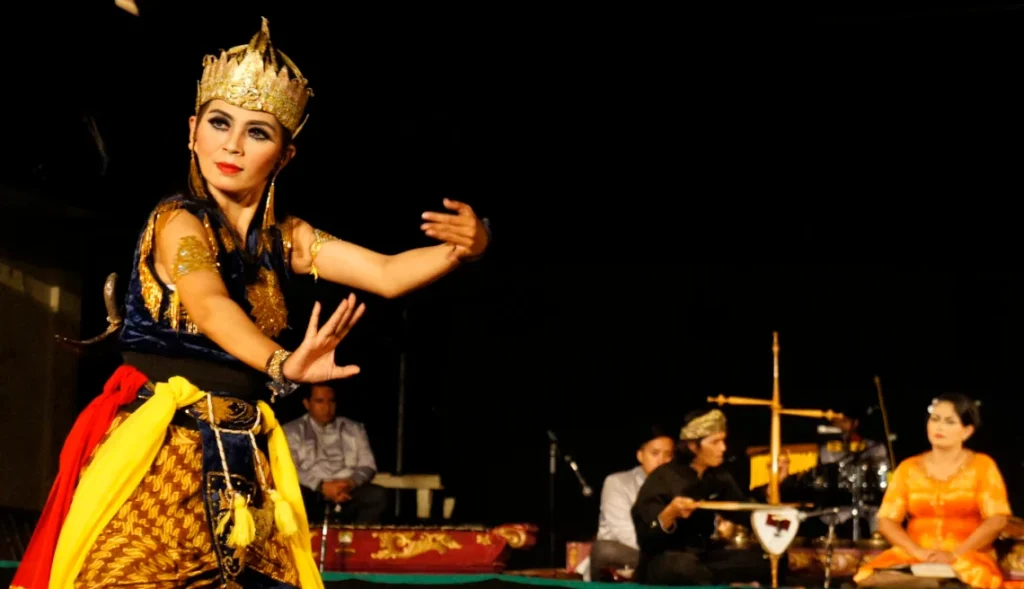
Wayang Dance blends two Indonesian cultural elements: dance and shadow puppetry (wayang). Instead of using puppets, dancers act out epic tales from the Ramayana or Mahabharata, such as the stories of Gatotkaca, Jayengrana, or Adipati Karna.
This dance can be performed solo, in pairs, or as a group. It typically features dramatic expressions and symbolic hand gestures to convey the narrative.
4. Sintren Dance
Originating from Cirebon, the Sintren Dance is steeped in mysticism and romance. Based on the love story of Sulasih and Sulandono, the dance is traditionally performed by a young woman who wears dark sunglasses and special attire, believed to invite spiritual possession during the dance.
Historically, Sintren was only performed under a full moon and in solemn silence, allowing the dancer to “channel” spiritual energies. Though now performed more publicly, it still holds sacred meaning for many.
5. Wangsa Suta Dance
The Wangsa Suta Dance is a dramatic retelling of a battle between Wangsa Suta and the henchmen of Demang Kartala, who had kidnapped Nyi Pudak Arum, Wangsa Suta’s beloved.
Created by Toto Sugiarto, the dance features seven dancers dressed in bright yellow costumes. The performance involves coordinated battle formations, making it visually striking and intense.
6. Boboko Mangkup Dance
In Sundanese, “boboko” means rice basket, and “mangkup” means turned upside down. This dance is a social commentary—symbolizing the hardship and struggle faced by communities when resources are scarce.
The dancers use boboko props to represent social imbalance and lost prosperity, making this dance not only artistic but also reflective of real-life issues in rural life.
7. Kedok Ireng Dance
Kedok Ireng, which translates to Black Mask, explores the duality of human nature: good vs. evil. Dancers wear masks to symbolize the different personas people adopt throughout their lives.
The performance features contrasting movements—some calm, others aggressive—illustrating inner conflicts and moral choices. It’s both deeply philosophical and visually compelling.
8. Merak Dance
Inspired by the elegance of peacocks, the Merak (Peacock) Dance was choreographed by Rd. Tjetje Somantri in 1955. It became a cultural highlight during the Asian-African Conference in Bandung, where it was used to entertain international delegates.
With graceful hand gestures and flowing costumes designed to mimic feathers, the dance captures the beauty and majesty of the peacock in full display.
9. Topeng Kelana Kencana Wungu Dance
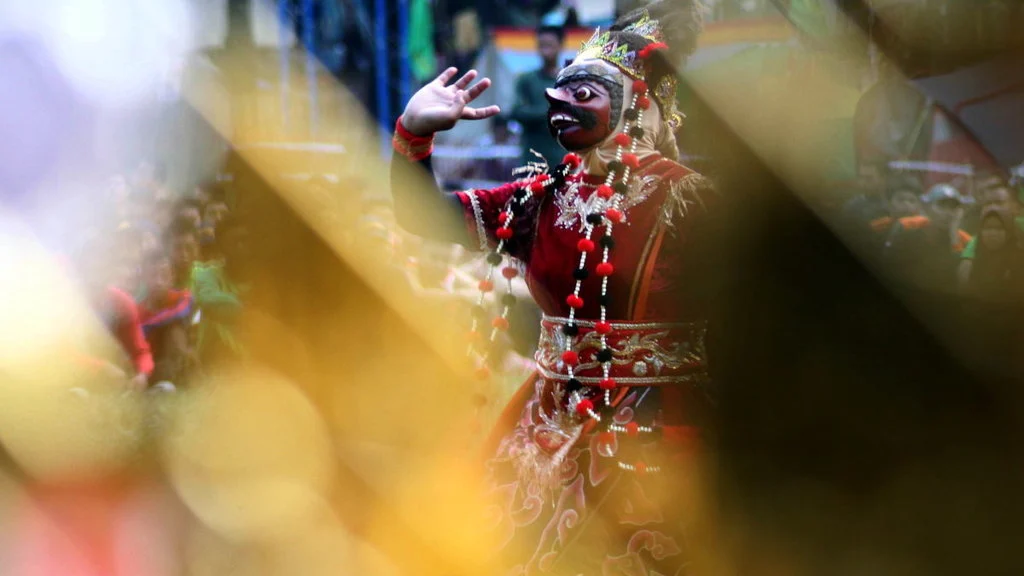
This masked dance portrays the tale of Queen Kencana Wungu and King Minak Jingga, who becomes obsessed with her beauty and pursues her relentlessly.
Choreographed by Nugraha Suradireja, the dancers wear colorful masks and perform agile, expressive movements to depict chase, resistance, and royalty. Accompanied by kendang (drums) and rebab (string instrument), the performance is both theatrical and majestic.
10. Ronggeng Gunung Dance
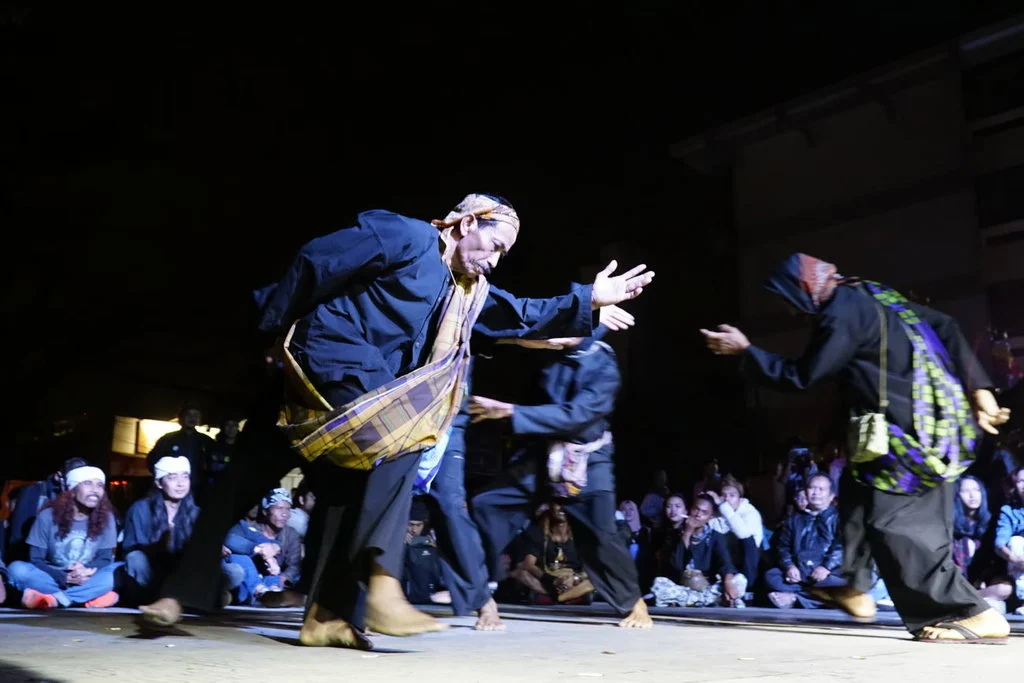
Hailing from East Priangan, the Ronggeng Gunung Dance is a form of traditional storytelling blended with martial arts and poetic symbolism.
Originally derived from bajidor and pencak silat, the dance explores themes of love, longing, and loss—particularly about a woman mourning for her lover and mocking the pirates who took him away.
11. Sampiung Dance
Also known as Tari Ngekngek or Jentreng, the Sampiung Dance is usually performed during key rituals like harvest festivals, Seren Taun, or Indonesia’s Independence Day.
What’s unique about this dance is its private setting—it’s typically performed indoors, especially in traditional houses with a bale pendopo (wooden platform). In Sumedang, it’s even used as a form of alternative healing.
12. Kamonesan Dance
Lastly, the Kamonesan Dance highlights the simple yet profound way of life of Sundanese farmers. Using props like boboko (woven rice baskets), dancers depict daily routines like heading to rice fields, carrying goods, or honoring nature’s bounty.
It’s a dance of gratitude, tradition, and local wisdom, and serves as a cultural bridge between past and present.
Why These Dances Matter
Each of these 12 dances reflects a piece of West Java’s soul—whether through stories of mythological heroes, struggles of rural life, or expressions of love and identity. They’re more than entertainment; they are living archives of Sundanese values, preserved and passed down across generations.
As modernization sweeps through cities and villages alike, preserving and promoting these dances becomes even more vital. Fortunately, many schools, communities, and cultural institutions in West Java continue to teach these dances to younger generations, keeping the traditions alive.
Final Thoughts
If you ever visit West Java, don’t just explore the mountains or taste the street food—take time to experience the dances. Whether it’s watching a Jaipong performance at a local festival or witnessing a sacred Sintren ritual in Cirebon, you’ll gain a deeper understanding of the spirit and diversity of Sundanese culture.
And if you can’t travel just yet, videos and virtual performances of these dances are now widely available online. Dive in, watch them closely, and let the rhythm of West Java move you.
