




When an Indonesian student steps foot in America for the first time, the culture shock can be both overwhelming and fascinating. It’s like stepping into a whole new universe—one that looks familiar from Hollywood movies, but feels entirely different when experienced firsthand.
Indonesia and the United States represent two very distinct worlds. One is rooted in Eastern traditions with strong communal values, while the other thrives on Western ideals like individualism and freedom. Understanding these cultural differences isn’t just helpful—it’s necessary if you’re planning to live, study, or work in either country.
Let’s break down some of the most noticeable differences, from everyday habits to deeper societal values.
Food: Rice vs. Bread
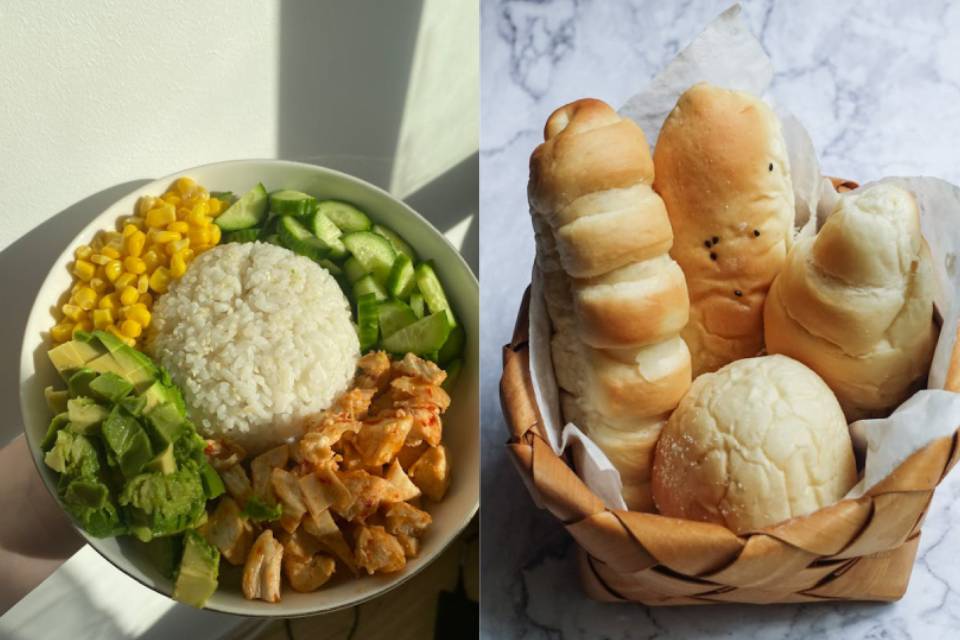
Ask any Indonesian what’s for lunch, and chances are, rice is on the menu. Nasi goreng, nasi uduk, nasi padang—rice is the heart of every meal. In the U.S., however, bread, pasta, or potatoes often take center stage. Burgers, sandwiches, and fries are considered staple foods. This dietary contrast may seem simple, but it reflects a deeper cultural divide. In Indonesia, meals are often communal and served with multiple side dishes. In the U.S., meals are usually individual portions, emphasizing convenience and speed.
Time: “Jam Karet” vs. Punctuality

Indonesians have a term called “jam karet”—literally “rubber time”—which means time is flexible. Being late isn’t seen as a big deal. In contrast, Americans are famously punctual. Time is money, after all. Being late in the U.S., especially in a professional setting, can be seen as disrespectful or unprofessional. This difference often causes frustration and misunderstanding for Indonesians living in the U.S., or Americans doing business in Indonesia.
Social Etiquette: Reserved vs. Direct

Indonesians are generally polite, indirect, and community-oriented. Respect for elders and social hierarchy is deeply ingrained. For example, calling a teacher or boss by their first name would be unthinkable in Indonesia. In America, things are much more casual. Students often call professors by their first names, and even CEOs might wear jeans to work. Americans value openness, honesty, and self-expression—even if it sometimes comes across as blunt.
Family and Independence

In Indonesia, it’s not unusual for someone to live with their parents until marriage. Family bonds are tight, and decisions are often made collectively. In the U.S., independence is encouraged early. Teenagers typically move out by 18 to attend college or start their own lives. American parents want their children to be self-sufficient, while Indonesian parents may see continued closeness as a sign of strong family values.
Education and Dress Code

Walk into an Indonesian school, and you’ll see students in uniform from kindergarten to high school. Discipline and appearance are taken seriously. In contrast, American students usually wear casual clothes, and schools often promote individuality. While discipline still exists in American schools, it’s generally less rigid. Students are encouraged to voice their opinions and engage in debates—a stark difference from Indonesia’s more hierarchical education system.
Work Culture: Teamwork vs. Individualism

Indonesian work culture often emphasizes teamwork and collective success. The concept of “gotong royong”—mutual cooperation—is deeply rooted in society. American work culture, on the other hand, rewards individual achievement. Employees are expected to promote themselves, negotiate salaries, and take ownership of their projects. While teamwork exists, the focus remains on personal contribution and efficiency.
Romantic Relationships and Marriage

In Indonesia, questions like “When are you getting married?” start coming once you hit your twenties. Marriage is seen as a rite of passage. In the U.S., people marry later, if at all. Many Americans choose to live together before marriage or raise children without getting married. This reflects the broader American attitude toward personal choice and freedom.
Freedom of Expression

Freedom of speech is a constitutional right in the U.S., and people are not afraid to use it. Protests, public criticism, and strong opinions are part of everyday life. In Indonesia, expression is more restrained. While democracy is growing, cultural norms still prioritize harmony and respect over confrontation. People tend to avoid open disagreement to maintain peace and politeness.
Clothing and Casual Culture

Americans love casual clothes. Hoodies, jeans, and sneakers are perfectly acceptable in classrooms, workplaces (depending on the field), and even some business meetings. In Indonesia, dressing modestly and formally is the norm, especially in professional or religious settings. What’s considered “too casual” in Indonesia might be totally fine in the U.S.
Cultural Diversity and Influence
Both countries are culturally diverse, but in different ways. The U.S. is a melting pot of immigrants from around the world, resulting in a mix of languages, foods, and customs. Indonesia, while largely made up of indigenous groups, is equally diverse—over 17,000 islands and more than 700 languages! The difference is that Indonesia’s diversity is often rooted in tradition, while America’s diversity is shaped by immigration and globalization.
Religious Practices
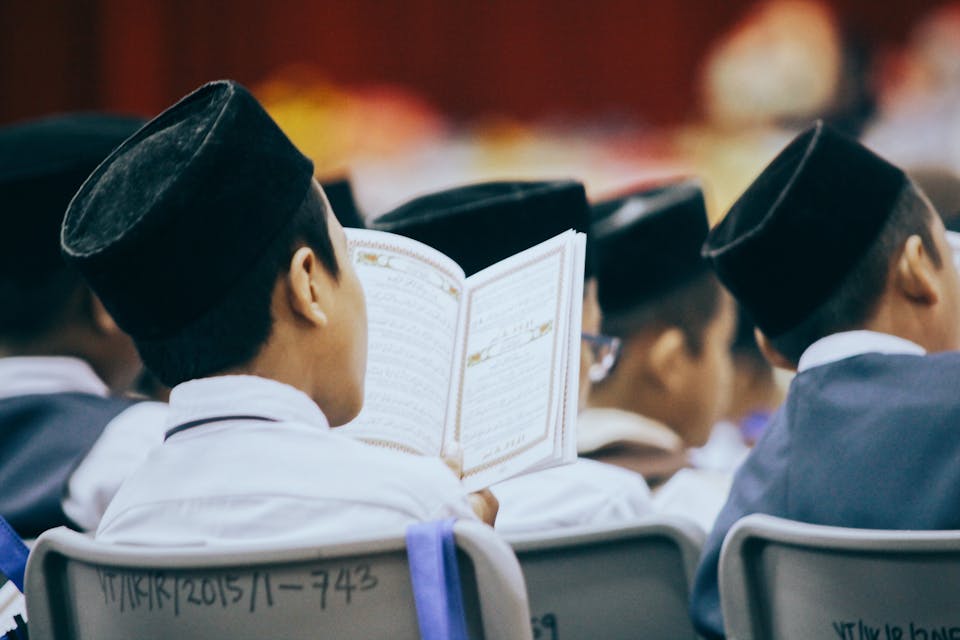
Indonesia is the largest Muslim-majority country in the world, and religion plays a visible role in daily life. Call to prayer, religious holidays, and modest dress are common. In the U.S., Christianity is the dominant religion, but the country is largely secular in public life. Religion is a private matter, and there’s a strong emphasis on separation of church and state.
Final Thoughts: Embrace the Differences
Understanding the cultural differences between Indonesia and America isn’t about deciding which one is “better.” It’s about building empathy, appreciation, and global awareness. For Indonesians moving to the U.S., it helps to know what to expect—from the food on the table to the way your boss might speak to you. For Americans visiting Indonesia, it’s important to respect local customs, value community, and embrace a slower, more relational pace of life.
In the end, culture is what makes us unique. And when we learn to navigate those differences with curiosity rather than judgment, we grow—not just as travelers or professionals, but as human beings.
