

Close Menu
Saibumi | Uncovering Asia, One Story at a Time
    What's Hot

    Indonesia’s National Nutrition Agency Leadership Change Draws International Attention

    June 3, 2026

    Indonesia’s Biodiesel Shift: B50 Plan Put on Hold, Raising Questions for Global Palm Oil Markets

    January 14, 2026

    Elephants Help Clear Wooden Debris After Aceh Disaster

    December 27, 2025
    Facebook X (Twitter) Instagram
    Saibumi | Uncovering Asia, One Story at a TimeSaibumi | Uncovering Asia, One Story at a Time
    • About Us
    • Contact Us
    • Advertise
    Facebook X (Twitter) Instagram YouTube LinkedIn Reddit
    • Home
    • Stories

      The Global Plastic Treaty Fails Again – What Does It Mean for the Planet?

      August 27, 2025

      Puru Kambera Savanna: Tracing the Wild Horses of East Sumba

      August 25, 2025

      West Sumatra Emerges as a Leading Muslim-Friendly Travel Destination

      August 24, 2025

      Tabola Bale Song: The Viral Music Blend From Eastern Indonesia

      August 20, 2025

      Tanjung Karang Beach: An Underwater Paradise in Donggala

      August 20, 2025
    • Travel

      Know the Types of Snakes in the Wild & What to Do If You Get Bitten

      December 27, 2025

      Thailand Named the Best Food Country in the World 2025 — Beating Italy and Japan

      October 14, 2025

      Dieng Plateau Officially Designated as Indonesia’s Newest National Geopark

      September 29, 2025

      The Culture of Souvenirs: How Indonesians Strengthen Workplace Relationships Through Oleh-oleh

      September 29, 2025

      6 Best Coffee Shops in Asia – And Yes, One of Them Is in Indonesia!

      September 28, 2025
    • Culture
    • Lifestyle
      1. Food & Culture
      2. Green Living
      3. Local Life
      4. Modern Living
      5. People & Inspiration
      6. View All

      Gen Z in Indonesia and the Global “Escape Culture”: Why Many Are Saying #KaburAjaDulu

      October 20, 2025

      The Export of Indonesian Specialty Products: How Local Ingredients Are Becoming Global Brands

      October 20, 2025

      From Training to Takeoff: MKP’s Approach to Responsible Worker Preparation

      October 18, 2025

      Thailand Named the Best Food Country in the World 2025 — Beating Italy and Japan

      October 14, 2025

      List of Plants That Attract and Repel Snakes Around the House

      October 20, 2025

      Bird-Friendly Coffee in Lampung: Wild Birds Help Farmers Control Pests Naturally

      September 23, 2025

      Standing Still Like a Stick: How Tree Snakes Outsmart Predators with Vertical Sleep

      July 17, 2025

      Not a Cat, Not a Snake — Meet the Plant That Can Eat Rats

      July 12, 2025

      #KaburAjaDulu: When Young Indonesians Feel Like Escaping Is the Only Way to Survive

      October 9, 2025

      The Culture of Souvenirs: How Indonesians Strengthen Workplace Relationships Through Oleh-oleh

      September 29, 2025

      How Remote Work and Digitalization Are Transforming Indonesian Work Culture

      September 28, 2025

      Staying Healthy in Unpredictable Weather: Indonesian Habits the World Can Learn From

      September 21, 2025

      Gen Z in Indonesia and the Global “Escape Culture”: Why Many Are Saying #KaburAjaDulu

      October 20, 2025

      Indonesia’s Beauty Industry Is Having a Major Glow-Up

      July 1, 2025

      Why Indonesian Coffee Is the Next Big Thing Among Global Freelancers

      June 30, 2025

      The Culture of Souvenirs: How Indonesians Strengthen Workplace Relationships Through Oleh-oleh

      September 29, 2025

      The Indonesian Work Culture: Harmony and Gotong Royong in Action

      September 16, 2025

      Southeast Asian Solidarity: Citizens Rally Behind Indonesian Protesters Amid Police Violence

      September 6, 2025

      What Germans Can Learn from the Philosophy of Gotong Royong

      July 16, 2025

      Gen Z in Indonesia and the Global “Escape Culture”: Why Many Are Saying #KaburAjaDulu

      October 20, 2025

      #KaburAjaDulu: When Young Indonesians Feel Like Escaping Is the Only Way to Survive

      October 9, 2025

      The Indonesian Work Ethic: Why Global Teams Trust Indonesian Professionals

      October 2, 2025

      Why Indonesian Talents Are the Best Choice for Global Companies

      October 2, 2025
    • Local Business
    Subscribe
    Saibumi | Uncovering Asia, One Story at a Time
    Home » Between Entertainment and Disturbance: The Phenomenon of “Sound Horeg” in Indonesian Carnival Culture
    Culture

    Between Entertainment and Disturbance: The Phenomenon of “Sound Horeg” in Indonesian Carnival Culture

    Editor DeskBy Editor DeskAugust 4, 2025Updated:August 4, 2025No Comments6 Mins Read
    Facebook Twitter Pinterest LinkedIn Tumblr Email
    Share
    Facebook Twitter LinkedIn Pinterest Email Copy Link

    Indonesia, a country rich in cultural celebrations and communal gatherings, has recently seen a rise in an unusual yet captivating phenomenon: “Sound Horeg.” Particularly popular in East Java, this high-powered sound system trend has become a staple in carnival parades and community festivals. With its thunderous bass and vibrating beats, sound horeg transforms otherwise ordinary events into electrifying spectacles. But as with many cultural expressions that lean into extremes, it brings with it both admiration and controversy.

    In this article, we’ll take a closer look at sound horeg—what it is, how it became a cultural fixture, the social and environmental implications it carries, and the ongoing discourse between preserving tradition and managing community welfare.


    What Exactly is Sound Horeg?
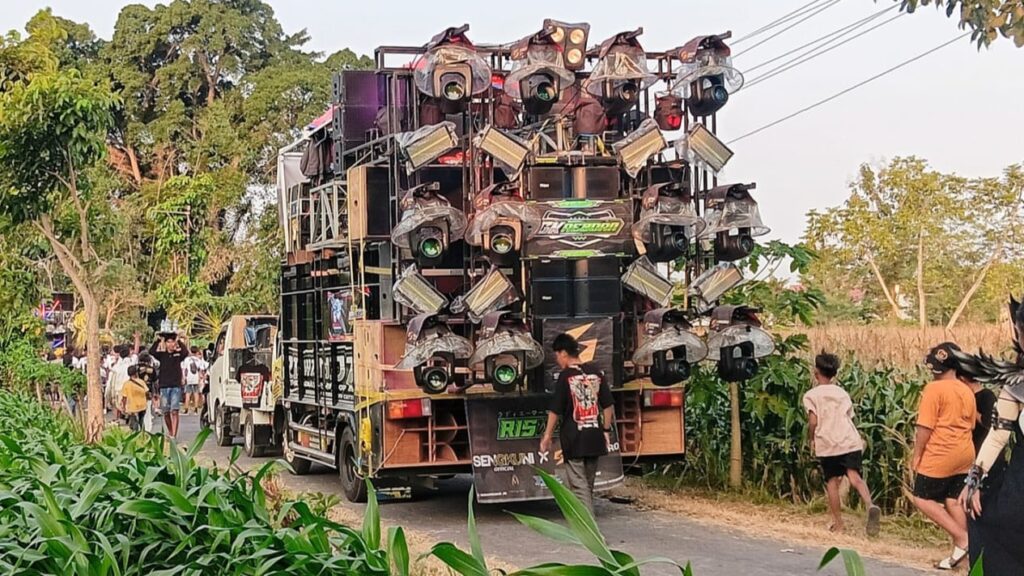
    Foto : jatim.viva.co.id

    Sound horeg, a term believed to originate from Malang in East Java, refers to a massive mobile sound system typically used during carnivals, parades, and public festivities. It’s not your average neighborhood speaker. We’re talking about truckloads of subwoofers, tweeters, and amplifiers that can rival concert-level setups. These systems are mounted on pick-up trucks or custom-built carts, often decorated extravagantly, and rolled through the streets as part of a larger celebration.

    The sound is designed to be physically felt, not just heard. When the bass drops, you don’t just hear it—you feel it in your chest, in your bones, and sometimes even in the walls of nearby homes. For many attendees, especially the youth, this intense sonic experience is part of the attraction. It gives the carnival an edge, a thrill, a shared sensation of being engulfed in music.

    But what is exhilarating to some is excruciating to others.


    A Cultural Anchor in Modern Carnivals

    In many towns across Java, sound horeg is more than just noise—it’s a symbol of festivity. Carnival events, especially those celebrating national holidays, religious festivals, or local anniversaries, often rely on these sound systems to create an atmosphere of unity and excitement.

    SEE ALSO  Best Indonesian Coffee for Export: Discover the Rich Flavors of the Archipelago

    The blaring music, typically a fusion of modern genres like EDM, dangdut koplo, and reggaeton remixes, serves as a background to processions, dancing groups, and community performers. These events can draw thousands of spectators, and the powerful sound becomes a collective heartbeat driving the mood of the celebration.

    Sociologists like Horton and Hunt might classify this as a form of collective behavior, where large groups engage in spontaneous and emotional acts. And that’s exactly what a sound horeg carnival feels like—a surge of emotional release, shared across a street, a neighborhood, or even an entire town.

    Teenagers and young adults, in particular, often form groups or communities centered around sound horeg. For them, participating in the parade—either as organizers, sound crew, or dancers—becomes a form of identity and pride. The louder and more impressive the setup, the more respected the group becomes.


    The Flip Side: Social and Environmental Impact

    Despite its role in bringing people together, sound horeg has stirred significant public concern. The most frequent complaints? Noise pollution, property damage, and public disturbance.

    Many residents, especially those not directly involved in the celebrations, describe the sound levels as unbearable. Unlike regulated music events, sound horeg parades often wind through residential areas, without proper sound checks or timing restrictions. It’s not uncommon for festivities to stretch late into the night, disrupting sleep and peace.

    Take the case from Demak in April 2024: villagers demolished parts of a public bridge just so a truck carrying a sound horeg setup could pass through. The incident went viral, especially after it was revealed that a local village head supported the act. What was meant to be a festive moment turned into a national debate about the line between celebration and civil responsibility.

    SEE ALSO  Discover Bali Through Its Food: Ayam Betutu, Lawar, Sate Lilit, and More

    Besides property damage, health risks also loom. Prolonged exposure to such high-decibel sounds can lead to temporary or permanent hearing loss. Elderly residents, infants, and those with medical conditions are particularly vulnerable. Moreover, the deep vibrations can cause stress, anxiety, and even physical discomfort.

    Regulations exist in some municipalities to curb noise levels, but enforcement remains inconsistent. Due to the temporary nature of these events and their popularity, many local authorities struggle to strike a balance between cultural appreciation and public safety.


    Community Divides and Class Tensions

    Another layer of complexity is the social tension that sometimes arises from these events. On one side, you have groups who passionately defend sound horeg as a cultural identity. On the other, residents who see it as an intrusive and inconsiderate form of entertainment.

    This division often reflects broader class dynamics. The youth and working-class communities may see sound horeg as a rare opportunity for self-expression. Wealthier or more conservative residents, however, may view it as a nuisance or even a threat to public order.

    Authorities often find themselves in a tough position: appeasing a vocal, celebratory crowd while also responding to formal complaints. Sometimes, these tensions escalate to community disputes, leading to heated arguments or even legal action.


    Between Cultural Preservation and Responsible Celebration
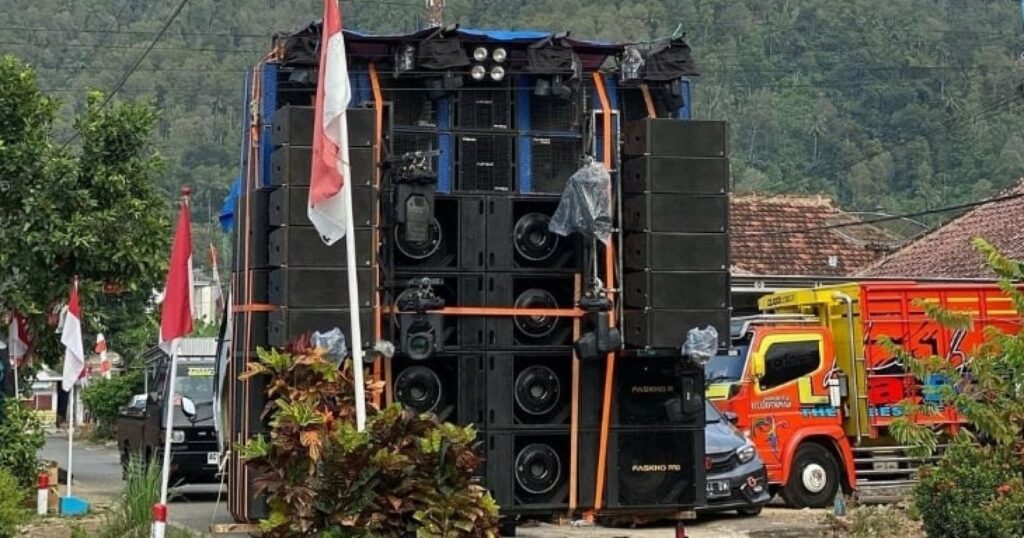
    Foto : media.suara.com

    So where does that leave us? Is sound horeg a cultural treasure or a social headache?

    SEE ALSO  Thailand Named the Best Food Country in the World 2025 — Beating Italy and Japan

    The truth lies somewhere in the middle. There’s no denying the excitement and energy that these sound systems bring. They represent a modern twist on traditional celebration—part music festival, part street parade, all wrapped into one colorful, chaotic package.

    However, it’s crucial to recognize that unregulated noise and disruption can erode community trust. Responsible celebration is not about muting tradition, but about channeling it in ways that are inclusive and respectful. Some communities have begun exploring compromise models—like restricting parade hours, rerouting through less populated areas, or using technology to monitor sound levels in real-time.

    There’s also potential for civic education, especially among youth communities, on the importance of shared spaces and mutual respect. Celebrating culture doesn’t have to mean overriding the comfort of others.


    Conclusion: A Soundtrack of Joy—or Division?

    Sound horeg is undeniably a unique cultural phenomenon. It speaks to the evolving ways Indonesians, particularly in Java, reinterpret celebration and community identity. For some, it’s the pulse of joy and togetherness. For others, it’s a disruptive force that invades their peace.

    What matters now is dialogue and balance. We need more conversations between organizers, authorities, and residents to ensure that sound horeg remains a force of joy—not division. With thoughtful regulation and community input, it’s possible to embrace the power of sound without drowning out the voices of those who seek peace.

    In the end, whether you dance along to the pounding beat or cover your ears in frustration, one thing is certain: sound horeg has made itself heard. Loud and clear.

    community conflict cultural celebration Indonesian carnival Java festivals noise pollution parade culture social impact sound horeg sound system Indonesia youth identity
    Share. Facebook Twitter Pinterest LinkedIn Tumblr Email
    Previous ArticleThe History of Sarong in Indonesia — A Cultural Symbol Adapting Through Time
    Next Article Land of a Thousand Snakes: Why Indonesia and These Three Countries Are True Snake Havens
    Editor Desk
    • Website

    Related Posts

    Economy

    Indonesia’s National Nutrition Agency Leadership Change Draws International Attention

    By Editor DeskJune 3, 2026
    Don't Miss

    Indonesia’s Biodiesel Shift: B50 Plan Put on Hold, Raising Questions for Global Palm Oil Markets

    By Editor DeskJanuary 14, 2026
    Disaster & Environment

    Elephants Help Clear Wooden Debris After Aceh Disaster

    By Editor DeskDecember 27, 2025
    Don't Miss

    Know the Types of Snakes in the Wild & What to Do If You Get Bitten

    By Editor DeskDecember 27, 2025
    Digital Life

    Gen Z in Indonesia and the Global “Escape Culture”: Why Many Are Saying #KaburAjaDulu

    By Editor DeskOctober 20, 2025
    Agriculture

    The Export of Indonesian Specialty Products: How Local Ingredients Are Becoming Global Brands

    By Editor DeskOctober 20, 2025
    Add A Comment
    Leave A Reply Cancel Reply

    Don't Miss

    Indonesia’s National Nutrition Agency Leadership Change Draws International Attention

    By Editor DeskJune 3, 2026

    Indonesia has attracted international attention following a recent leadership change at the National Nutrition Agency,…

    Indonesia’s Biodiesel Shift: B50 Plan Put on Hold, Raising Questions for Global Palm Oil Markets

    January 14, 2026

    Elephants Help Clear Wooden Debris After Aceh Disaster

    December 27, 2025

    Know the Types of Snakes in the Wild & What to Do If You Get Bitten

    December 27, 2025
    Top Posts

    Indonesia’s National Nutrition Agency Leadership Change Draws International Attention

    June 3, 2026

    Experience the Charm of Labuan Bajo’s Pinisi Boat Right Here in Lampung: Discover the Legendary Maritime Heritage of Indonesia

    June 30, 2025

    Must-Know: 5 Traditional Dances from Lampung You’ll Often Encounter

    June 30, 2025

    What to Do When You See a Snake: A Practical Guide for Everyday Life in Sumatra

    June 30, 2025
    Stay In Touch
    • Facebook
    • Twitter
    • Instagram
    • YouTube
    About Us
    About Us

    Saibumi International brings authentic stories, cultural depth, and off-the-radar destinations from Indonesia and the wider Asian region — crafted for readers who want more than surface-level travel and headlines.

    Facebook X (Twitter) YouTube Reddit
    Our Picks

    Indonesia’s National Nutrition Agency Leadership Change Draws International Attention

    June 3, 2026

    Indonesia’s Biodiesel Shift: B50 Plan Put on Hold, Raising Questions for Global Palm Oil Markets

    January 14, 2026

    Elephants Help Clear Wooden Debris After Aceh Disaster

    December 27, 2025
    Most Popular

    Indonesia’s National Nutrition Agency Leadership Change Draws International Attention

    June 3, 2026

    Experience the Charm of Labuan Bajo’s Pinisi Boat Right Here in Lampung: Discover the Legendary Maritime Heritage of Indonesia

    June 30, 2025

    Must-Know: 5 Traditional Dances from Lampung You’ll Often Encounter

    June 30, 2025
    • Home
    • About Us
    • Advertise
    • Contact Us
    © 2026 Saibumi International. SEO & Web by Dkonten Studio

    Type above and press Enter to search. Press Esc to cancel.