



When you think of Indonesia, what comes to mind?
Most people picture beaches in Bali, volcanoes, or maybe the world’s best coffee.
But lately, Indonesia has been making global waves for something deeper — its specialty products.
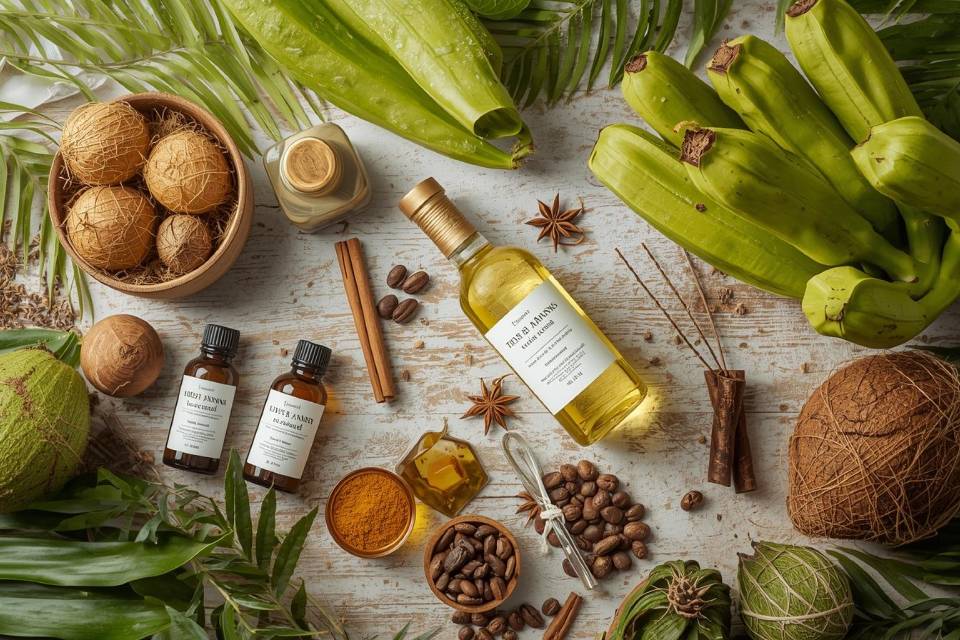
From candle nuts and banana leaves to coconut sugar and herbal oils, these local treasures are slowly becoming international brands. And what’s even more fascinating? They’re doing it by staying true to their roots.
This is the story of how Indonesia’s local ingredients — once known only within village kitchens — are now entering global supermarkets, spas, and e-commerce platforms.
From Local Wisdom to Global Shelves
Indonesia’s tropical climate and rich biodiversity have always produced some of the world’s most valuable natural resources. For centuries, traders crossed the archipelago in search of cloves, nutmeg, and pepper — commodities so prized they literally shaped world history.
Fast-forward to today, and the same story is repeating itself — but this time, with a modern twist.
Instead of colonial ships, it’s startups, small producers, and export-driven entrepreneurs leading the charge.
These businesses are transforming simple local ingredients into global consumer favorites. Take coconut products, for example. Once used only in local cooking, coconut oil and coconut sugar are now staples in health stores from Los Angeles to Berlin. They’re marketed as “organic,” “vegan,” and “sustainably sourced” — buzzwords that appeal to eco-conscious global shoppers.
And the secret behind their success? Authenticity.
Global consumers are tired of synthetic, mass-produced goods. They want something real, ethical, and meaningful — exactly what Indonesia’s local products represent.
The Humble Candlenut: A Skincare Superstar
One of Indonesia’s quiet success stories is the candlenut, or kemiri as locals call it.
Traditionally used in Indonesian cooking and hair care rituals, candlenut oil is now making its mark in the global beauty and wellness industry.
International skincare brands are incorporating it into serums, hair masks, and body oils for its moisturizing and antioxidant properties.
On platforms like Amazon and Sephora, you’ll find products boasting “candlenut oil from Indonesia” as a premium ingredient — often priced far higher than in its home country.
This transformation didn’t happen overnight. It’s the result of small producers partnering with international distributors, adopting better packaging, and highlighting the story behind their ingredients.
It’s not just about selling oil; it’s about selling a story — one that’s rooted in local heritage and sustainability.
Banana Leaves and the Rise of Eco-Friendly Packaging
Here’s a surprise: even banana leaves are now a global export.
Traditionally used to wrap food or as plates in Indonesian households, banana leaves have become popular abroad as eco-friendly packaging. With many countries banning single-use plastics, restaurants and food businesses are looking for natural, biodegradable alternatives — and Indonesia has plenty to offer.
From Tokyo to Toronto, Indonesian banana leaves are being used to wrap sushi, desserts, and even eco-gift boxes.
It’s a perfect example of how a simple local tradition fits perfectly into a global sustainability movement.
What’s more, this shift is empowering small farmers and rural cooperatives. Banana leaf exports don’t require high-tech equipment — just clean processing, consistent quality, and global connections.
It’s a green business in every sense of the word.
Coconut Everything: Indonesia’s Tropical Gold
Coconut is arguably Indonesia’s most versatile export commodity.
From virgin coconut oil and activated coconut charcoal to coconut bowls and coconut sugar, this humble fruit has become a symbol of sustainability and wellness worldwide.
The demand for coconut-based products has surged thanks to global health trends — keto diets, plant-based lifestyles, and zero-waste living.
What’s exciting is how local Indonesian SMEs (Small and Medium Enterprises) are adapting.
Many now export through online marketplaces, leveraging e-commerce and digital branding to reach health-conscious audiences abroad.
Their packaging has evolved — minimalistic, eco-chic, and proudly labeled Made in Indonesia.
This new generation of exporters isn’t just selling products; they’re exporting lifestyle values — authenticity, sustainability, and tropical charm.
Beyond Coffee: Authentic Indonesian Experiences
Indonesia’s coffee boom is already legendary — but it’s not just coffee beans that are going global.
Artisanal brands are now offering ready-to-drink cold brews, coffee scrubs, and even coffee-based perfumes made from Indonesian beans.
Why? Because global consumers crave experiences, not just products.
When someone buys “Toraja coffee,” they’re not just tasting caffeine — they’re experiencing a story about culture, soil, and tradition.
This shift from “commodity” to “experience” is redefining Indonesia’s role in the global supply chain.
It’s no longer about exporting bulk materials — it’s about exporting identity.
The Beauty of Going Local — and Global
Indonesia’s beauty industry is another example of how local wisdom can scale globally.
Traditional herbal ingredients like turmeric, pandan leaves, aloe vera, and jasmine are now the backbone of modern skincare lines that emphasize natural beauty.
Many of these brands started small — selling through Instagram or local bazaars — and are now entering Southeast Asian and Middle Eastern markets.
Consumers around the world are increasingly drawn to beauty brands that feel authentic and rooted in culture. That’s exactly where Indonesian brands shine — by blending modern science with centuries-old traditions.
And with trends like clean beauty and halal cosmetics gaining global attention, Indonesian products are positioned perfectly at the intersection of tradition, faith, and innovation.
The Global Shift: From Mass Production to Meaningful Consumption
One reason Indonesia’s specialty exports are thriving is that global consumers have changed.
People are no longer impressed by mass production; they’re drawn to meaningful consumption — products that tell stories and support ethical practices.
From zero-waste banana leaf packaging to handcrafted essential oils, Indonesia’s local exports embody this philosophy naturally.
Each product reflects craftsmanship, community, and care — values that global audiences increasingly prioritize.
And as international buyers look for sustainable sourcing, Indonesia’s biodiversity and cultural diversity offer endless possibilities.
From Sumatra’s rainforest herbs to Bali’s artisanal salt, the future of Indonesian exports lies not in industrialization, but in local authenticity with global reach.
Challenges on the Road to Global Recognition
Of course, it’s not all smooth sailing.
Many Indonesian producers still face challenges — from export regulations and logistics to branding and market competition.
Small businesses often struggle with consistency and certification, which are crucial for global markets.
But the good news is, government initiatives, trade fairs, and digital platforms are making it easier than ever for local entrepreneurs to go international.
Partnerships with e-commerce giants, digital marketing training, and collaborations with influencers are helping these brands bridge the gap between local markets and global consumers.
In short, the tools for success are now more accessible — it’s just a matter of scaling wisely.
The Future Is Local — and Global
Indonesia’s specialty products show that globalization doesn’t have to erase local identity.
In fact, it can amplify it.
As the world becomes more conscious of sustainability and authenticity, Indonesia’s traditional ingredients are finding new life as global brands.
They represent a balance between heritage and innovation, community and commerce, local roots and global wings.
So whether it’s a bottle of candlenut oil, a pack of coconut sugar, or a roll of banana leaves, one thing’s for sure:
Indonesia’s local wisdom is no longer local — it’s global.
