



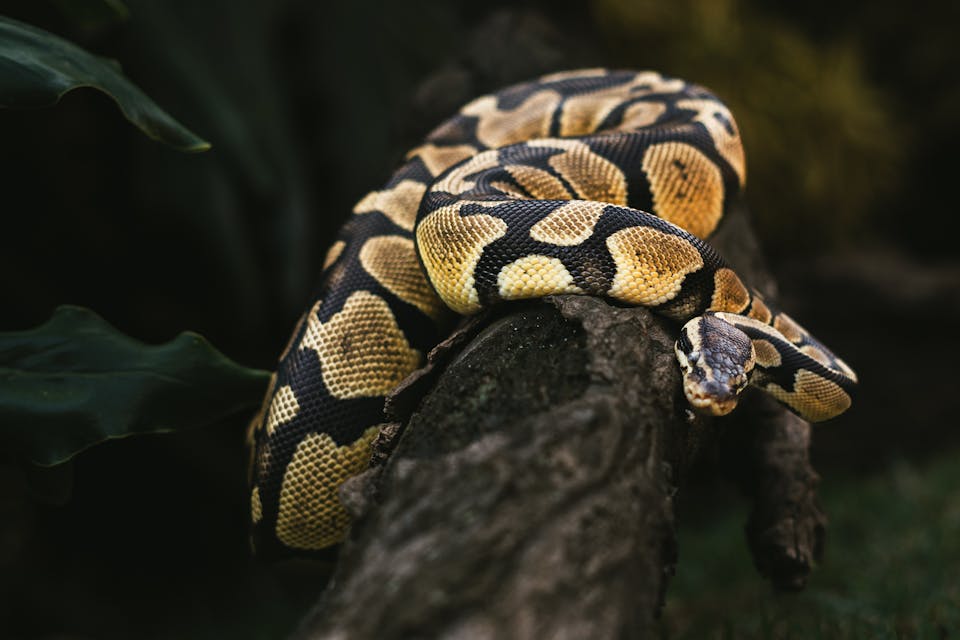
Snakes are among the creatures most people definitely don’t want to encounter near their home. These slithery reptiles aren’t just scary — some can be dangerous or even deadly. Their sudden appearance around the house can easily make anyone panic.
But have you ever wondered why snakes come into residential areas in the first place? Well, besides following their food sources (like rats or frogs), certain types of plants can actually attract snakes — often because they provide shelter, shade, or moisture.
If you’re someone who loves gardening or keeping ornamental plants in your yard, it’s worth knowing which plants can invite snakes and which ones can help keep them away.
Plants That Attract Snakes (and You Might Want to Avoid Planting)
According to Homeguides, some plants naturally draw snakes closer — either through their scent or their dense growth that offers a perfect hiding spot.
1. Sandalwood
Sandalwood trees are known for their rich fragrance — but snakes love it too. The strong aroma can attract them, so it’s best not to plant sandalwood near your house.
2. Jasmine
Beautiful and sweet-smelling as it is, jasmine has thick foliage that offers ideal shade and hiding spots for snakes.
3. Cedar
While often used as a decorative plant, cedar trees can unintentionally invite snakes because of their distinctive woody scent.
4. Shrubs and Bushes
Shrubs or hedge plants are often used as natural fences. However, their dense and leafy structure makes them an excellent hiding place for snakes.
5. Ground Cover Plants
Low-growing plants like elephant grass, purslane, or cassava leaves can make your yard look lush. But unfortunately, these also create perfect shelter for snakes to curl up unnoticed.
Plants That Repel Snakes Naturally
Now for the good news — there are plenty of plants that snakes simply can’t stand.
According to Homes & Gardens, these plants have strong scents, bitter compounds, or thorny textures that naturally keep snakes at bay.
1. Marigold
With its bright yellow-orange flowers, marigold doesn’t just beautify your garden. Its strong scent (especially from the roots) helps repel snakes effectively.
2. Lavender
That calming lavender aroma humans love? Snakes absolutely hate it. The intense smell messes with their sensitive sense of smell.
3. Rosemary
Rosemary gives off a sharp, herbal fragrance that masks the scents snakes follow — and as a bonus, it makes your garden smell amazing.
4. Allium (Onion Family)
Garlic, onions, and scallions release sulfur compounds with a pungent smell that repels snakes and even some insects.
5. Lemongrass
This tropical plant with a citrusy scent is one of the best natural snake repellents — and it grows easily in warm climates like Indonesia’s.
6. Cactus
The sharp spines on cactus plants make it physically impossible (and uncomfortable) for snakes to slither through.
7. Mugwort (Artemisia)
Mugwort has a bitter, strong scent that snakes find extremely unpleasant.
8. Snake Plant (Sansevieria)
Ironically named, the snake plant actually helps repel snakes! Its tough, upright, blade-like leaves discourage snakes from crossing the area.
9. Holly
This plant’s thorny leaves create a natural barrier that snakes avoid.
10. Snakeroot
Despite its name, snakeroot produces a sharp, distinctive odor that snakes dislike.
11. Yellow Alder
Not only does this plant brighten up your garden, but it also helps reduce the presence of rodents and insects — a main food source for snakes.
12. Basil
Its strong, spicy aroma makes it a natural snake deterrent (and great for your cooking too!).
13. Eucalyptus
The crisp scent of eucalyptus leaves is refreshing for humans but repulsive to snakes.
14. Daffodils (Narcissus)
Daffodils help keep rodents away, which in turn discourages snakes from hanging around.
Tips for Safely Planting Snake-Repelling Plants at Home
To make these plants work effectively in keeping snakes away, follow these simple but important tips:
Keep your garden clean and dry.
Snakes love damp, cluttered areas with piles of leaves or wood. Keep your yard tidy and well-lit.
Use tall pots or bright containers.
Snakes prefer dark, hidden spaces — so high, visible planters make them feel exposed and unwelcome.
Mix aromatic plants together.
Combine lavender, lemongrass, and rosemary for a stronger scent barrier.
Trim regularly.
Even snake-repelling plants can become dense over time. Regular trimming prevents them from turning into accidental hiding spots.
Final Thoughts
Having greenery around your house is great — it brings peace, freshness, and beauty. But it’s just as important to stay mindful about what you plant. Some plants may unknowingly invite unwanted guests like snakes, while others can help keep them far away.
With the right combination of fragrant herbs, spiky plants, and proper garden maintenance, you can enjoy a beautiful, snake-free home environment.
