


When people talk about Indonesia, they often highlight its breathtaking islands, diverse cultures, and warm hospitality. But there’s another unique aspect that often gets overlooked: the way Indonesians work. At the heart of Indonesian work culture lies two deeply rooted values — rukun (harmony) and gotong royong (mutual cooperation). These principles don’t just shape social interactions; they play a big role in how teams, businesses, and communities thrive.
Understanding “Rukun”: The Pursuit of Harmony
The word rukun carries a strong cultural meaning in Indonesia. It’s about living peacefully, avoiding unnecessary conflict, and finding common ground in every situation. In the workplace, this value translates into a preference for smooth collaboration and respectful communication.
Indonesian professionals tend to avoid direct confrontation. Instead of saying “no” outright, they might soften their words or choose a more indirect way to express disagreement. While this might seem unusual to those used to more straightforward communication styles, it reflects a genuine desire to keep relationships intact. Harmony isn’t just a nice-to-have — it’s a guiding principle that ensures long-term trust among colleagues.
Gotong Royong: Mutual Cooperation Beyond the Office
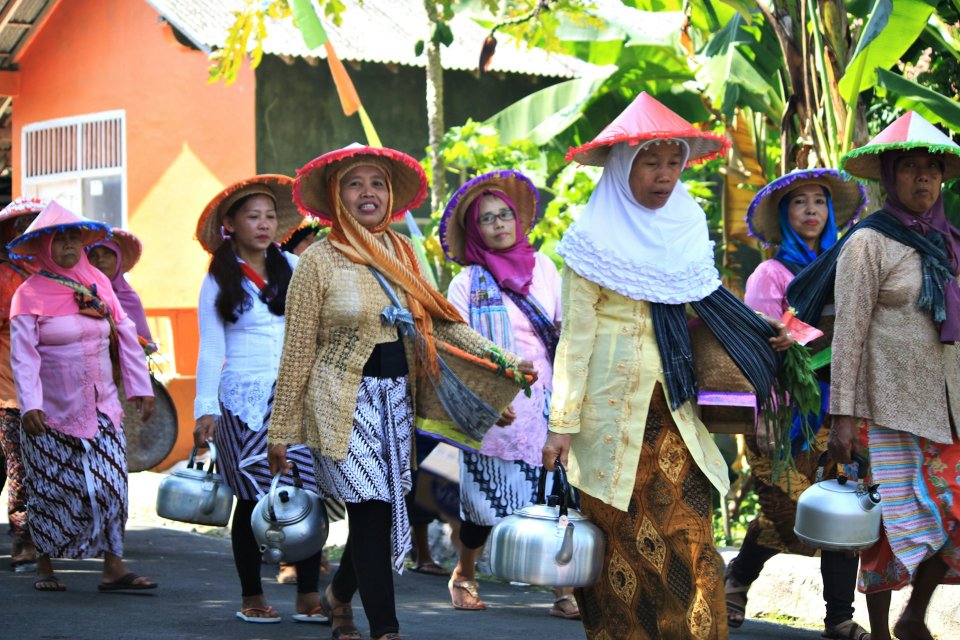
If rukun is about harmony, gotong royong is about action. The phrase can be roughly translated as “working together for the common good.” This value has been practiced for generations, whether in rural villages building houses side by side or in urban offices tackling big projects as a team.
In modern workplaces, gotong royong shows up in the willingness of employees to support each other beyond their job descriptions. When deadlines are tight, teams often step up collectively to make sure no one is left behind. It’s less about individual achievement and more about shared success.
Balancing Collectivism and Modern Business Needs
Of course, every cultural trait has two sides. While prioritizing harmony and cooperation creates a strong sense of belonging, it can sometimes slow down decision-making. Leaders may avoid tough calls to keep the peace, and employees may hold back critical feedback out of respect for group unity.
However, this doesn’t mean Indonesian workplaces are resistant to progress. Instead, companies are finding ways to balance these cultural values with modern business demands. For example, international firms working with Indonesian teams often appreciate their collaborative spirit while encouraging more direct communication to boost efficiency.
Why Harmony and Cooperation Matter in Today’s Global Work Culture
In a world where remote work and multicultural teams are becoming the norm, Indonesian values like rukun and gotong royong offer something important. Harmony reduces unnecessary workplace conflicts, while cooperation strengthens team resilience. For companies looking to build long-term partnerships, these cultural traits are invaluable.
More than just traditions, these values shape how Indonesian professionals adapt to global challenges. They make teams more empathetic, more united, and ultimately more effective in creating solutions together.
Final Thoughts
The Indonesian work culture isn’t just about meeting deadlines or climbing the corporate ladder. It’s about building workplaces where people feel connected, respected, and supported. With rukun ensuring harmony and gotong royong fostering cooperation, Indonesian teams bring a unique human touch to the professional world.
For global companies collaborating with Indonesian talent, understanding these cultural values isn’t just insightful — it’s a key to building stronger, more meaningful partnerships.
