



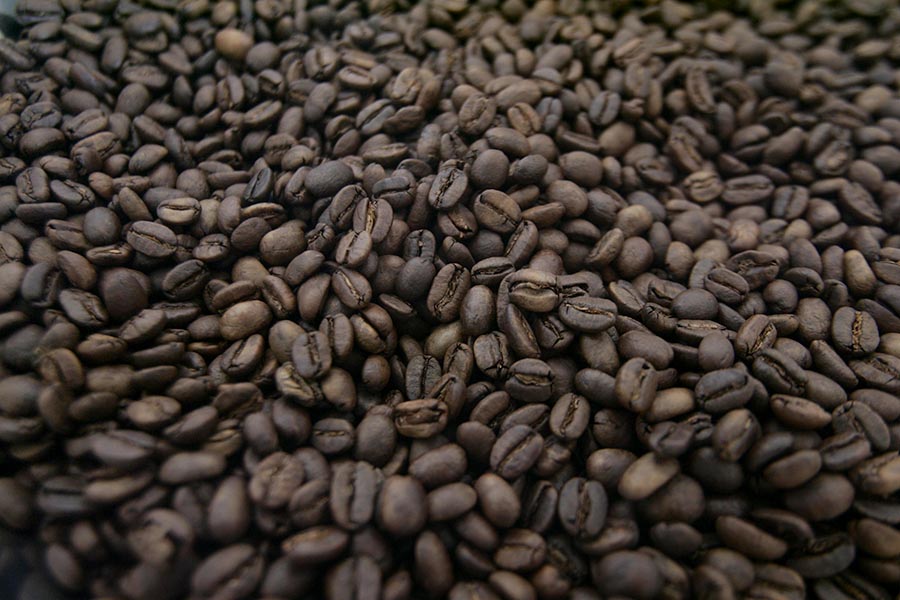
Indonesia is one of the world’s largest coffee producers, known not only for its robusta beans but also for its specialty arabica varieties grown in unique landscapes such as Sumatra, Java, and Sulawesi. Behind every cup of Indonesian coffee lies a story of farmers, forests, and the fight to preserve biodiversity.
In recent years, the global demand for sustainable and ethically sourced coffee has increased. Consumers in Europe, the United States, and Asia are more conscious about where their coffee comes from. They want assurance that their morning brew does not harm forests, exploit farmers, or contribute to climate change. This is where coffee conservation efforts in Indonesia play a vital role.
Coffee and Forests: A Fragile Balance
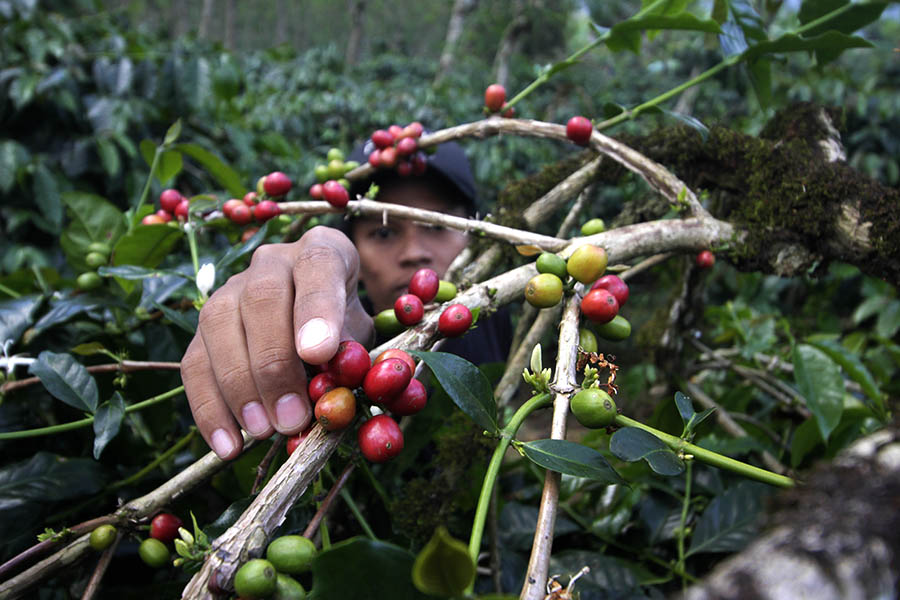
Indonesia’s tropical forests are home to endangered wildlife, including orangutans, Sumatran tigers, and hornbills. Unfortunately, deforestation for agriculture—including coffee plantations—threatens these ecosystems. When farmers expand plantations into forested areas, the ecological balance is disrupted, leading to habitat loss and declining biodiversity.
To address this, conservation-based coffee initiatives encourage farmers to grow coffee under the shade of native trees rather than clearing forests. Shade-grown coffee not only protects wildlife but also improves soil fertility, regulates water cycles, and enhances bean quality. In regions like Bukit Barisan Selatan and Aceh, shade-grown coffee projects have successfully combined conservation with livelihood improvement.
Farmers at the Heart of Conservation
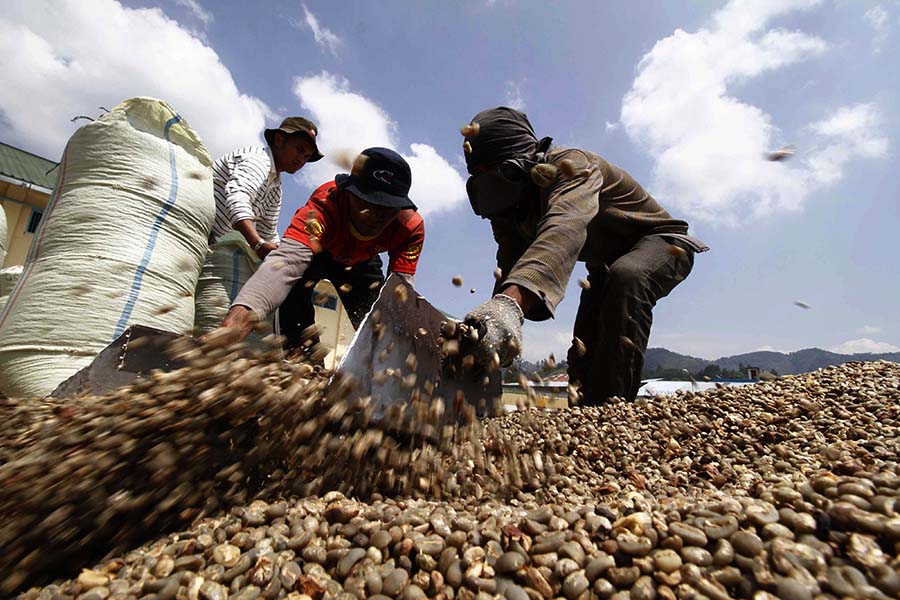
Coffee farmers are the backbone of Indonesia’s coffee industry. Yet, they often face unstable prices, middlemen exploitation, and lack of access to international markets. Conservation programs, supported by NGOs and international buyers, aim to empower farmers through training, certification, and direct trade.
With certifications like Fair Trade, Rainforest Alliance, and Organic, Indonesian farmers can sell their beans at premium prices while ensuring eco-friendly practices. Programs also promote agroforestry, intercropping coffee with fruit and timber trees, which diversifies income and strengthens climate resilience.
For example, in Lampung and South Sumatra, coffee cooperatives supported by conservation groups have reduced illegal logging while increasing farmer income. This model demonstrates that protecting forests and supporting farmers can go hand in hand.
Climate Change and the Future of Coffee
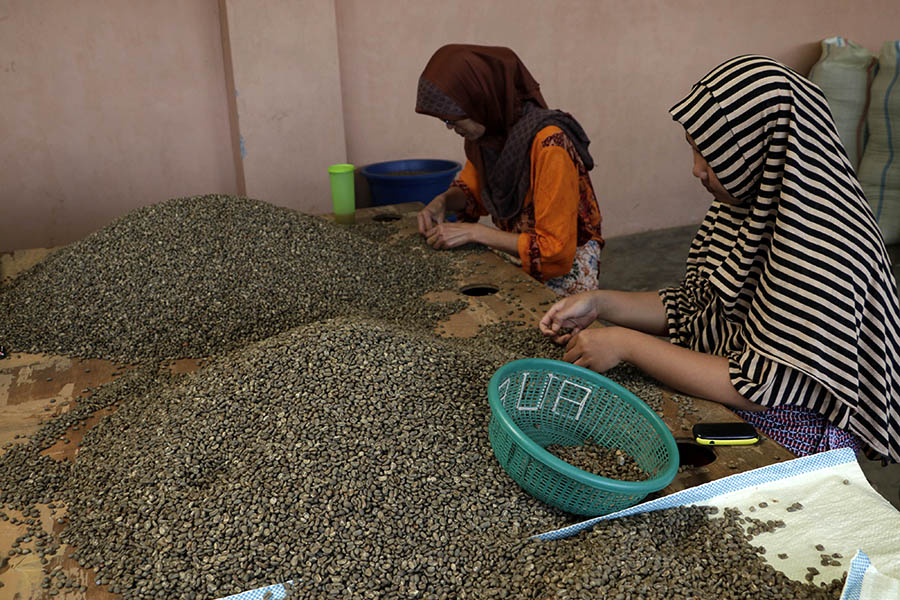
Coffee is highly sensitive to temperature and rainfall. Studies show that climate change could reduce suitable coffee-growing areas in Indonesia by up to 50% by 2050. Rising temperatures, unpredictable rainfall, and pest outbreaks threaten both quality and yield.
Conservation-based farming provides a buffer. Shade trees reduce heat stress, protect against erosion, and stabilize microclimates. At the same time, preserving surrounding forests maintains water resources that are critical for coffee production. By linking climate resilience with coffee farming, conservation ensures that Indonesia can remain a global coffee powerhouse in the future.
Global Impact: Why It Matters
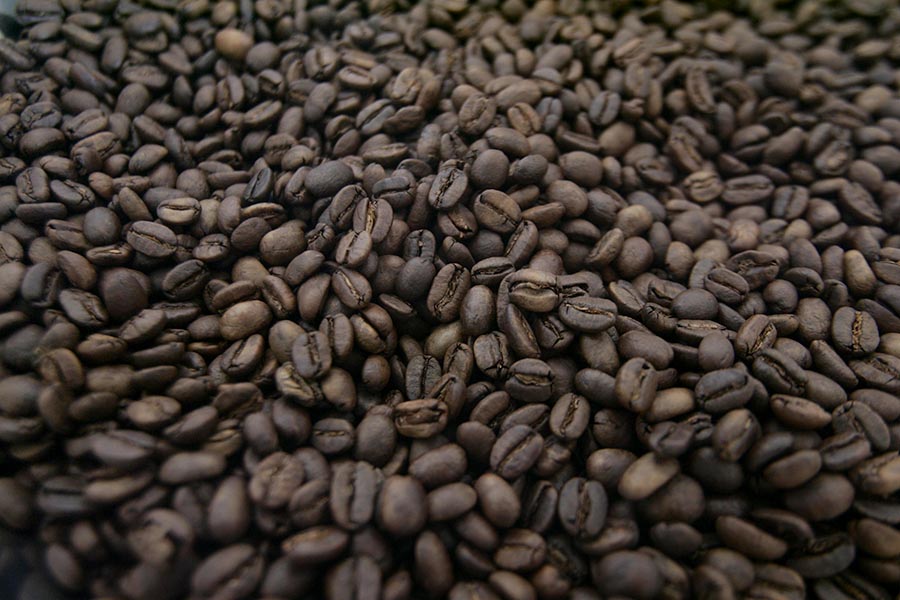
When you drink Indonesian coffee, you are not just enjoying a beverage—you are part of a global chain that can either harm or heal the planet. Choosing conservation-based coffee supports farmers who protect forests, empowers communities, and sustains biodiversity.
International buyers, roasters, and coffee lovers have a role to play. By demanding sustainable coffee, they create incentives for more farmers to join conservation initiatives. The result is a win-win: delicious coffee for consumers, stable livelihoods for farmers, and healthier forests for future generations.
Conclusion
Indonesian coffee conservation is more than an environmental effort; it is a movement connecting forests, farmers, and global consumers. Protecting biodiversity while empowering communities ensures that every cup of coffee contributes to a sustainable future.
The next time you sip a cup of Indonesian coffee, remember: behind its rich aroma is a story of resilience, conservation, and hope.
